



London tube strikes threaten spring trade for hospitality
Planned London Underground walkouts from March to May could disrupt a crucial trading period for bars and restaurants. Industry data suggests the impact may be severe unless operators prepare early.
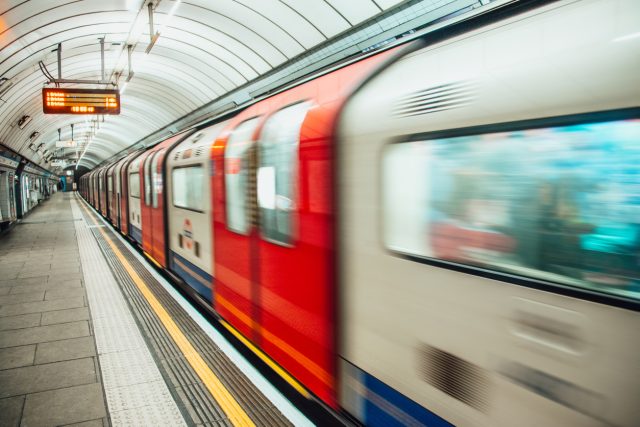
London Underground drivers are scheduled to strike for 12 days between March and May in a dispute over a proposed four-day working week. The action threatens fresh disruption for the capital’s hospitality sector during an important period for spring trading.
The strike days are currently scheduled for 24 to 25 March, 26 to 27 March, 21 to 22 April, 23 to 24 April, 19 to 20 May and 21 to 22 May.
According to research from hospitality AI technology company Access Hospitality, travel disruption in the capital can dramatically reduce demand for bars and restaurants.
Analysis by the company following a Tube strike in September 2025 found that hospitality bookings fell by as much as 67%, while walk-in visits dropped by nearly 70%.
Previous strike data shows sharp decline
During the September disruption, London’s hospitality trade contracted quickly once the transport network stalled. As reported previously by the drinks business, reservations at London venues between 8 and 11 September dropped by 67% compared with the preceding week.
The fall was immediate. Bookings declined by 62% on the first strike day alone, according to the same dataset. Walk-in visits fell by almost 69% during the period, while cancellations rose by more than 50%.
Partner Content



The wider financial impact was also significant; UKHospitality estimated that a week of walkouts could cost London venues up to £110 million in lost trade, while payment processor Dojo found that total hospitality spending in the capital dropped by around 5%, equivalent to roughly £4.6 million in missing sales as reported by the drinks business.
Operators urged to prepare early
Champa Magesh, managing director at Access Hospitality, warned that similar disruption could affect the upcoming strike period. “We’ve seen from previous strikes just how significant the impact can be on hospitality businesses, with bookings dropping by 67%. With another wave of strikes looming this Spring, operators should expect disruption well before the strike day itself, as uncertainty around travel plans affects spontaneous visits and last-minute bookings,” she said.
“The upcoming strikes are during a key trading window for hospitality, so businesses must prepare now to minimise the risk of no shows, cancellations and fewer walk-ins. With the right communication processes, flexible booking options and strong use of data, teams can react quickly and reduce the commercial fallout of the upcoming strike.”
Event traffic adds further pressure
The first strike day may carry additional implications for venues across north London. More than 30,000 fans are expected to attend the Women’s Champions League quarter-final first leg at the Emirates Stadium on 24 March, according to event estimates.
Large sporting fixtures typically drive substantial pre and post-match trade for nearby pubs, bars and restaurants. Travel disruption could make it harder for visitors to reach venues across the city.
Related news
Vindustrious drives London Wine Fair into ‘new chapter’ for 2026


