



Is it best to consume hot or cold water between alcoholic drinks?
The question of whether warm or cold water is better to drink has led to viral discussions online. In the era of zebra-striping, where chasing an alcoholic drink with a soft drink or water is becoming increasingly popular, whether temperature plays a vital role in progressive drinks trends is still up for debate.
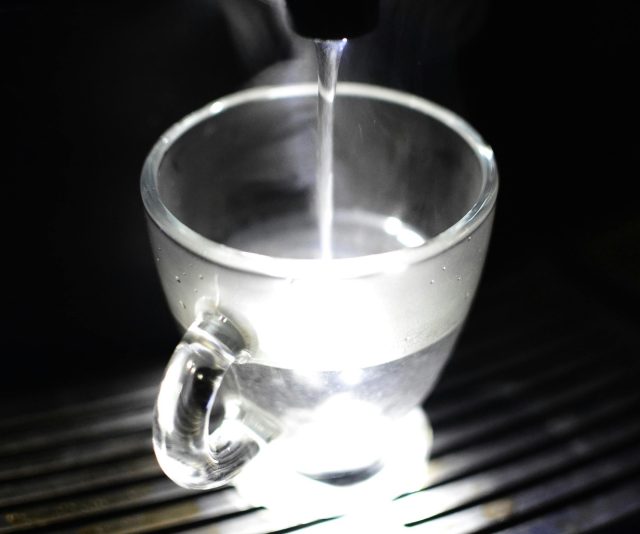
Studies have shown that the temperature of what we drink can actually influence our bodies in subtle ways, from battling anxiety to easing gut discomfort, but as more people are choosing a soft option between alcoholic drinks when out, the question of what to stock also becomes necessary alongside such trends.
In a recent report via Commstrader, the question of whether drinks being served with a “refreshing chill or a cosy warmth” was assessed, looking at how starting your day with a cold splash can to jolt a person awake, while opting for a steamy sip to unwind was “like choosing between a pep talk or a hug”.
According to the discussions, previous research had already uncovered that the temperature of food and drinks wasn’t always “just a flavour enhancer” but about the “measurable impact on physiological responses”.
‘It’s not black and white’
The research showed, for instance, that “cooler liquids might help calm down those jittery nerves, while warmer ones could soothe an upset stomach”. However, the analysts also set out to remind that “it’s not black-and-white” because, often “it’s about what suits your individual needs”.
There was evidence to suggest that although “warm water might seem like the go-to for digestion” and “ice-cold blasts promise quicker calorie burns” that “the real health benefits hinge on nuanced factors like your personal comfort, goals, activity level, and even underlying health conditions”.
The researchers outlined that “people swear by cold water for alertness or warm for relaxation” however insisted that “the truth is, our bodies react differently”.
When one respondent said they “tried switching to room-temperature water on a whim—it felt weird at first, like I was missing out on that crisp edge. But as I learned more, I realised it’s about listening to what works for you”.
Making informed choices
The researchers also highlighted that what was fundamental was noticing that “while trends come and go, the key is understanding the science so you can make informed choices”. This meant that temperature plays a role in everything “from boosting metabolism to aiding recovery…from hydration efficiency to mental clarity”.
The research added that “temperature isn’t just about personal preference; it’s tied to how our bodies process liquids internally. Body heat regulation kicks in, adjusting to keep us at a steady 98.6 degrees Fahrenheit. If you gulp down something freezing, your body expends energy to warm it up, a process called thermogenesis that some tout as a mini workout”
But, they also highlighted how “contrarily, warm water can dilate blood vessels and promote smoother digestion” and many people still swear by warm lemon water to give them a ‘detox’ feel to their day.
Partner Content




The analysts found that “the physiological effects are real: colder options might increase alertness by triggering a mild shock response, while warmer ones relax muscles and support gut motility”. The method was described in the same way that “a cold shower wakes you up versus a hot bath that melts away stress”.
Sweat rates and digestion speeds
Research from places like sports physiology labs shows variations in sweat rates and digestion speeds based on what we drink. However, traditionally across many cultures where warm drinks are staples, the science has revealed that such rituals have “cortisol-lowering effects” and so essentially your “stress hormone drops when you sip something warm”.
One of the biggest claims in recent debates looks at whether cold water turbocharges weight loss by forcing your body to burn more calories. Indeed, the science has backed that although this may be true, it has been much-exaggerated. In fact, the researchers suggested that “when you drink something cold, your body does expend a tiny bit of extra energy to heat it up to core temperature, an effect dubbed cold-induced thermogenesis”. They described it as being like “your metabolism turns on a low flame to warm up that chill. But here’s the catch: this bump in calorie burn is minimal, almost negligible for most people”.
Speaking about this more broadly, registered dietician and diabetes expert Tanya Freirich admitted that she’s seen how overblown this idea can be because “research shows that in the 90 minutes post-consumption, cold water might raise energy expenditure by about 2.9%, compared to 2.3% for room-temperature”.
Myth-busting
This means that anyone aiming for weight loss, like shedding 10 pounds, would need to drink gallons daily to see any real difference. Freirich also insisted it’s “not significant enough to make it worthwhile”.
Instead of obsessing over temperature, Freirich indicated that people should focus on quantity. In fact, studies show that drinking water between other drinks—regardless of temperature—prompts the body to sweat as a cooling mechanism.
However, the research also reiterated that “the sweet spot for minimising sweat and maximising rehydration is around 60.8 degrees Fahrenheit”. Apparently, this “cool but not cold range allows faster absorption in the gut without triggering gastrointestinal upset”.
As Freirich explained, it’s like “giving your body exactly what it needs: hydration that cools without shocking the system. In humid climates, where sweat evaporates slower, this prevents excessive fluid loss. It’s backed by sports physiology data, showing athletes in this temperature zone performed better, with less fatigue”.
Letting temperature support rather than dictate
Freirich warned against very cold water for people with swallowing disorders, as it might cause spasms or difficulty. For migraine sufferers, icy gulps can induce “brain freeze” or even acute attacks by stimulating sensitive nerves. It’s a reminder that individual tolerances matter immensely in health choices. Plus, those with IBS or other gut sensitivities often report that ice-cold drinks exacerbate bloating or cramps due to temperature-induced vasoconstriction.. From dental sensitivity to esophageal reflux, Commstrader researchers highlighted that the spectrum is wide.
At the end of the day, the best water temperature is the one that gets you drinking more and reminded that adults generally need 7-8 glasses daily, but possibly more if consuming alcohol too. Future studies may unveil more, but the takeaway from how to rehydrate while drinking responsibly focused primarily on making sure the decision was always mindful. In fact, the over-arching research reiterated that the emphasis should really be on “holistic health” and one where “temperature supports rather than dictates”.
Related news
94% of alcohol-free beer drinkers also consume booze
Chance Clean Cider raises funds to boost next stage of expansion


