



Hope & Sesame toasts 10th anniversary
As Hope & Sesame turns 10, Joyce Yip talks to co-founder Andrew Ho about current drinking habits, why there should be a cocktail “cuisine”, and its unusual decision to team up with iconic condiment brand, Lee Kum Kee.
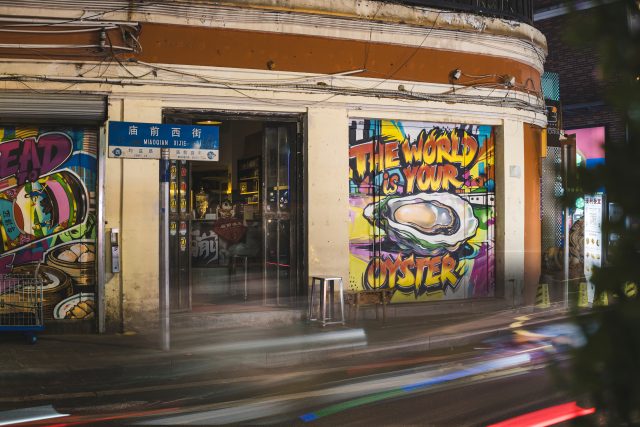
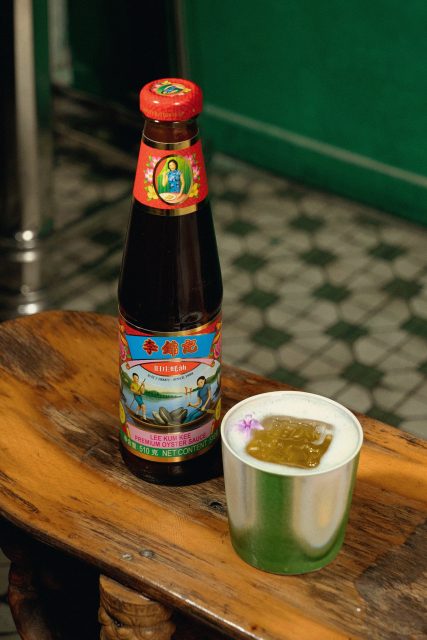
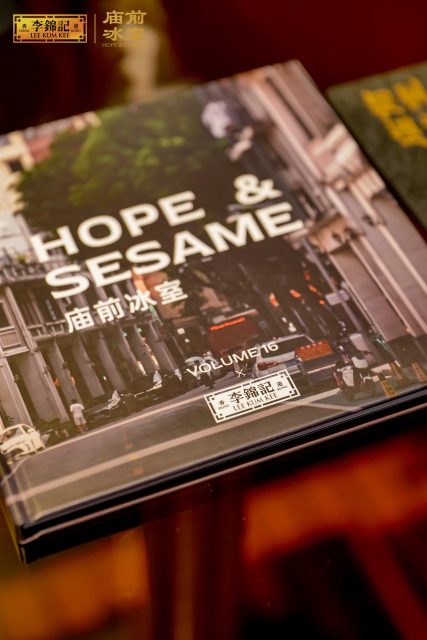
In January, Hope Sesame in Guangzhou – number 7 on the 2025 Asia’s 50 Best Bars list –joined hands with 138-year-old condiment brand, Lee Kum Kee, featuring their oyster sauce, soy sauce, Thai-style marinades and more across six cocktails.
While the partnership is in line with the bar’s innovative edge, Ho says it stemmed from business diversification.
“Support from spirit brands has dried up in recent years so we need to look for alternatives – one way is to take restaurant budgets into cocktails and explore new markets,” he says, explaining that vice versa, the partnership is also “a good branding strategy” for the condiment label.
Unexpected collab
When asked whether the collaboration rides on the global nostalgia boom – a revival of 90s and Y2K media, culture and goods for a sense of comfort and security – Ho says Guangzhou residents are much more “local”.
“Lee Kum Kee is so ingrained in their every day; the excitement stems from an unexpected collaboration between brands that they know and a curiosity as to why such a big name is working with a cocktail bar,” he explains.
2026 also marks the 10th anniversary for Hope Sesame. Ho still remembers personally picking up limes from the market every afternoon a decade ago due to the lack of suppliers and delivery apps in the city.
Partner Content

Looking back at a decade
Since then, Hope Sesame has opened a sister branch in Shenzhen in 2022 and has become a powerhouse of worldwide guest shifts, industry accolades – both for the brand and its bartenders – as well as collaborations with celebrated names such as jewellery label Chow Sang Sang and Chinese beverage chain Heytea.
Ho reminisces his guests of yesteryears, who were adventurous and eager to let bartenders take the reins. Today’s customers, in comparison, are savvier and more specific with their drink orders; he refers to incidents of “22-year-olds requesting classics nobody knows” as common sights at his bar.
So as the cocktail scene matures in China, Ho is reverting to basics with the launch of a by-invitation space above Guangzhou’s Hope Sesame this January. The 30-seater venue features a weekly rotational menu and tailored drinks sans pre-batched ingredients; it aims to serve no more than 100 drinks a night, one-fifth of its downstairs flagship.
Cocktail cuisine
The new space also serves today’s “bipolar” spectrum of cocktail drinkers. “On one end, we see the customers who are here for the ‘Asia’s Best 50’ fame and want the ceremonial storytelling experience.
“On the other, we have discerned drinkers who’ll try a few of our signatures and then move onto the classics. They don’t care about Instagrammable moments,” Ho says, adding that staff are trained to pick out the latter and usher them to the space upstairs.
This is the direction Ho hopes the future of mixology will take – sustainable classics made with good spirits, fewer ingredients and with regional flair.
“There are too many drinks that taste the same – same presentation, techniques and ingredients. Cocktails have never had a ‘cuisine’ per se, but maybe that’s the direction we should be heading towards,” he adds. “You know when you’ve had too many Michelin-starred meals, you just want something soulful, close to your heart and made with quality: the same goes for drinks.”
Related news
Why Yunnan could define premium Chardonnay in China
Chairman of China's second largest baijiu brand detained
What the doctor ordered: China’s burnt-out youth mix traditional medicine and cocktails


