



Grand Cercle president: ‘Today, Bordeaux is a challenger’
As the Grand Cercle des Vins de Bordeaux brings its en primeur tasting to London this month, new president Philippe de Poyferré explains how it must “reflect the reality of how the region has evolved”.
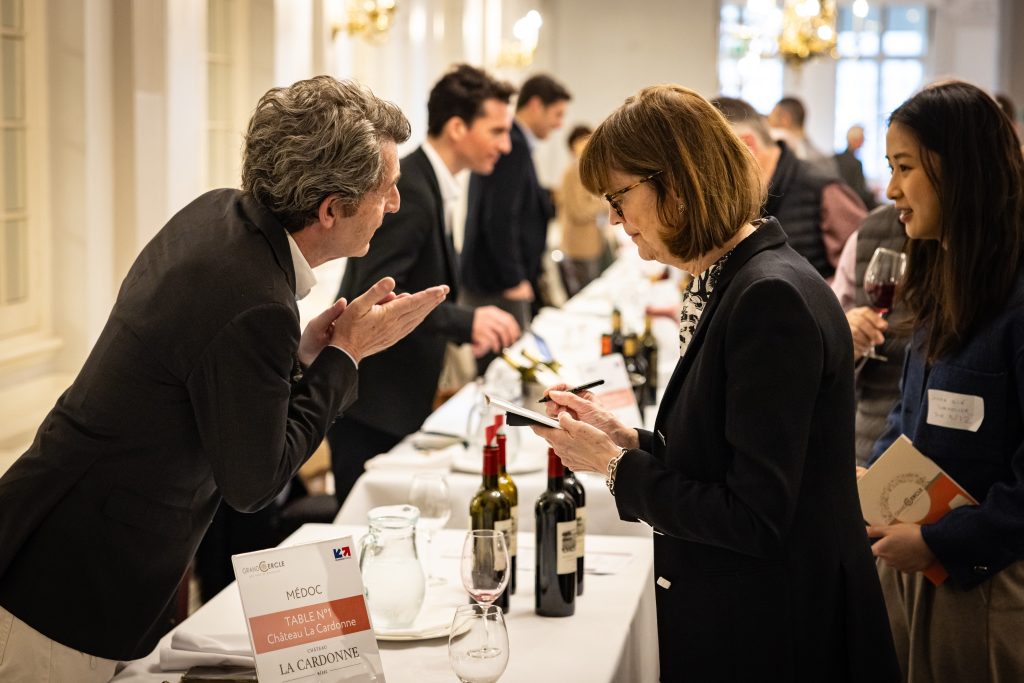
Now a regular fixture for the UK wine trade, The Grand Cercle des Vins de Bordeaux has its En Primeur 2025 tasting on Wednesday 25 March from 1–7pm. From its more than 100 châteaux, more than 25 crus will be on show, offering a first taste of the vintage for the wine trade and press.
It is not, however, business as usual. After many years at The Dilly, the tasting is moving to Sabine Rooftop, an impressive location next to St. Paul’s Cathedral in the heart of the city. The change echoes renewal at the top of the organisation.
Alain Raynaud, founder and original president of the Grand Cercle, stepped down last year after 23 years at the helm. He hands over the reins to Philippe de Poyferré, whose CV spans various roles within the trade and who, since 2017, has been director of Médoc estate Château Loudenne.
“I do so with confidence,” Raynaud says, “knowing that Philippe de Poyferré, a familiar face to our members and to the London trade, will bring both continuity and renewed momentum to the association.”
Challenger mindset
With the 2026 edition being his first London en primeur event in charge, Poyferré is careful to balance the demands of a mature market and a changing landscape.
“The UK is one of Bordeaux’s key export markets, and wine consumption remains strong,” he explains.
Yet it is not as ubiquitous as it once was: “While Bordeaux is widely recognised, it is not always top of mind. Our challenge is to ensure that the perception of Bordeaux reflects the reality of how the region has evolved.”
The 2026 edition is therefore taking a fresh look at the region. Thanks to its relatively small size – the organisation unites 116 members from across a region home to thousands – the Grand Cercle is hoping to put quality-minded producers at the heart of the conversation. That should, Poyferré believes, help cut through the longstanding stereotypes of Bordeaux.
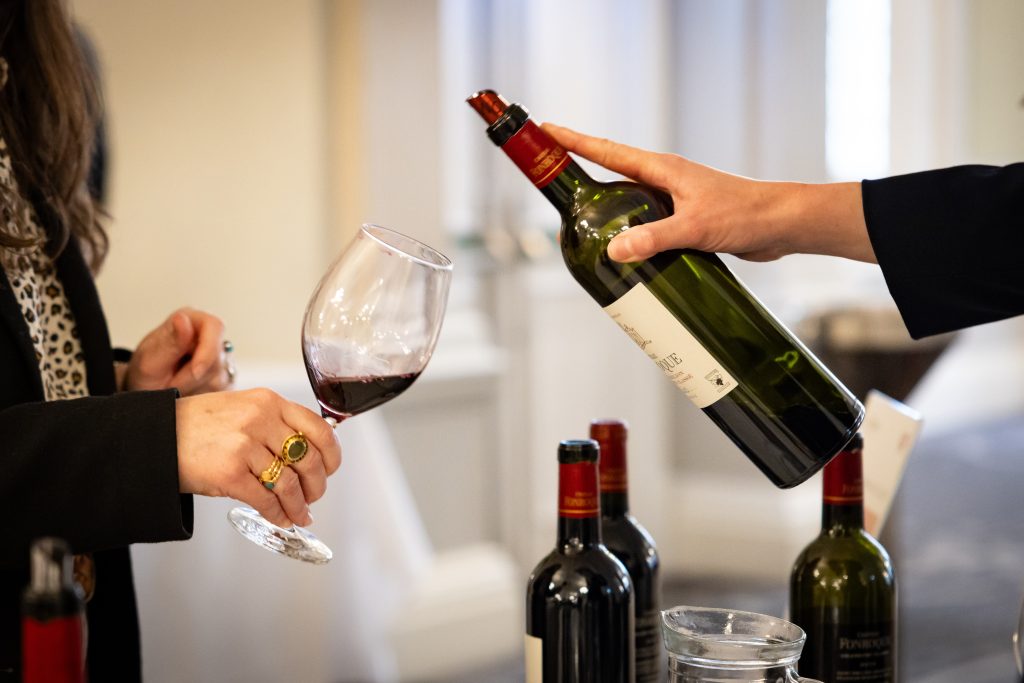
“It is our ambition to put the producer back at the centre,” he says. “Bordeaux is defined not only by labels or scores, but by terroir and the conviction of those who cultivate it. Our responsibility is to make those voices more visible.”
Furthermore, the tasting will pay particular attention to cuvées that stand out for their innovation. Among the more traditionally-styled wines of its producers, the Grand Cercle’s en primeur event will shine a spotlight on unusual and boundary-pushing bottles.
Among those on show will be uncommon monovarietal wines, ones which use cutting-edge vinification techniques and those with unexpected ageing regimens that push the category beyond its tradition of oak. There will also bee zero-sulfite and lighter options, key to engaging younger consumers.
“When I began my career, Bordeaux was the clear leader on the UK market. Today, it is a challenger. And challengers must be dynamic and bold,” Poyferré summarises. “Innovative cuvées are one of our strongest assets in meeting that challenge and demonstrating that Bordeaux is evolving with confidence.”
He continues: “These new expressions sit alongside producers’ classic wines, refreshing the offer without diluting heritage. For buyers, this translates into greater range diversity, new price entry points and compelling value for money, all underpinned by recognised Bordeaux provenance.”
First look at the vintage
As with any en primeur event, the tasting offers a key opportunity to discover the vintage’s prospects. The pressure is, perhaps, added, given the curious pattern of strong-performing vintages arriving in multiples of five.
Early indications from the Grand Cercle are that the pattern should continue, with the organisation’s readout stating: ‘2025 is shaping up to be a standout year.’
The year saw favourable conditions in spring followed by a warm, dry summer. The sustained heat developed phenolic maturity, but the grapes’ acidity was not lost thanks to late-summer rains, which also moderated the alcohol levels.
According to oenological consultants Sovivins, 2025 shows one of the highest tannic potentials seen in recent decades, so producers are quietly confident of a vintage that can balance powerful structure against more delicate aromatics.
“With less reliance on oak and exceptionally favourable weather conditions,” summarises Poyferré, “the vintage delivers structure without heaviness, alongside expressive aromatics and striking precision. For buyers, this means wines that combine depth with drinkability, and elegance rather than sheer power. In short, 2025 offers both critical credibility and strong commercial appeal.”
Sign up to attend the tasting here.
Related news
Drinks trade gets dedicated AI-powered search tool
Future Château raises £0.7m to expand lower alcohol wine range


