



Cava DO adds four more wineries to ‘Integral Producer’ seal
Celler Eudald Massana, Cavas Bolet, Torrens Moliner and Rovellats have joined the Cava DO’s Integral Producer category, bringing the total number of certified wineries to 19.
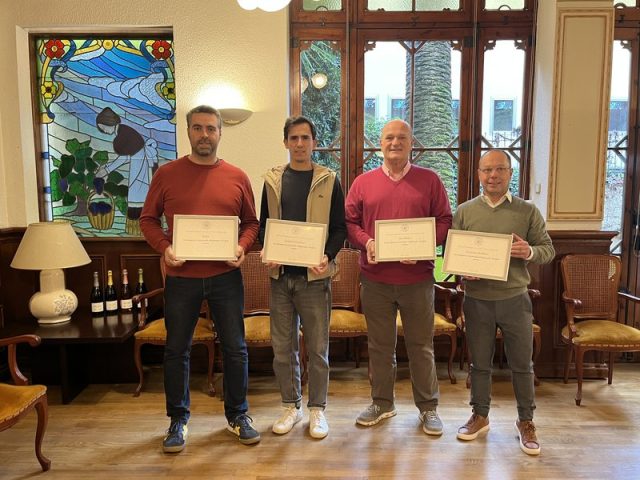
Four family-owned wineries have been granted the D.O. Cava ‘Integral Producer’ seal, taking the total number of certified producers in the category to 19.
Celler Eudald Massana, Cavas Bolet, Torrens Moliner and Rovellats have all been recognised with the designation, which identifies wineries that carry out the entire winemaking process on their own property, from pressing the grapes through to final disgorgement.
The newly accredited producers are based in the Penedès region: Celler Eudald Massana in Sant Pau d’Ordal (Subirats), Cavas Bolet from the Mas Lluet estate (Castellví de la Marca), Torrens Moliner from Finca Heretat (La Fortesa) and Rovellats in Sant Martí Sarroca.
The Integral Producer seal requires wineries to produce and bottle 100% of their base wines in their own facilities. Producers must also ensure that each stage of the production process is monitored on site and that no En Rima wines are purchased from other producers.
Additional wineries are currently undergoing the official auditing process and are expected to join the category in 2026.
Family producers join the fold
The four new additions all emphasised the link between the designation and their long-standing approach to estate production.
Xavier Bolet, oenologist and winemaker at Cavas Bolet, said: “The seal of Integral Producer represents a mark of identity for us, since we have been producing Cava with our own grapes since the beginning … With this seal, our care for the land is reflected in our Cavas, and is becoming known through wine tourism”.
Josep Cardona, third generation of Rovellats, added: “This distinction is not only a technical seal; it signifies prestige and positioning within the market, as well as a quality guarantee. It reinforces our identity as a historic Cava, giving added value to our wine and reaffirming our traceability and our commitment to the land. At last we can speak of 100% home-grown Cavas”.
Xavier Torrens, third generation at the helm of Torrens Moliner, highlighted the strong family identity of the wineries joining the seal. “We have always been defenders of Cava and committed to the quality of the product above all else; a commitment to the territory, to our winegrowers, and to our native Penedès varieties,” he said.
Oriol Massana, the tenth generation of the Massana family at Eudald Massana, said the seal “reinforces our commitment to origin, quality, and organic and biodynamic viticulture that is faithful to the land”.
Partner Content


Strict requirements
According to the Cava DO, the designation is reserved exclusively for wineries that press and produce all of the base wine for their Cava production and make all their Cavas on the same property.
The label can only be used on wines produced entirely on the estate, marketed under brands not shared with other Cava producers, and fully compliant with the rules of the designation. It cannot be used for custom-produced Cavas, and the producer’s company name must appear on the label.
Failure to meet the requirements results in the loss of the right to use the distinction for the two financial years following the year in which the breach occurred.
Raising the profile of Cava
Javier Pagés, president of the Cava DO, said the new additions demonstrate a commitment to quality and authenticity within the sector.
“The new additions to the seal of Integral Producer demonstrate the concern for quality, authenticity, excellence and uniqueness,” he said. “The Integral Producer Cavas help to raise the prestige of the sector.”
Pagés also noted that the designation reflects not only technical criteria but also a philosophy of winemaking.
“As well as the technical aspect, the seal reflects a way of working, and of understanding wine: a commitment to traceability and consistency,” he said.
He added that the DO’s strict controls ensure both traceability and quality, stating that the regulations of the Cava DO are “among the most demanding in the world”.
Global reach
With more than 70% of sales exported, Cava is the Spanish denomination of origin with the highest level of exports. The sector covers more than 38,000 hectares of vineyards and includes over 6,200 winegrowers and 349 associated wineries.
Cava producers currently sell their wines in more than 100 countries worldwide, with all Cava made using the traditional method.
Related news
What's on the new menu at Seed Library NYC?


