



A sommelier’s advice to women entering the trade
After starting her career in Russia, Kristina Gladilina, head of wine at Lita in Marylebone, tells db why working in London is an “entirely different stage” and how women can build knowledge and find their voice in the industry.
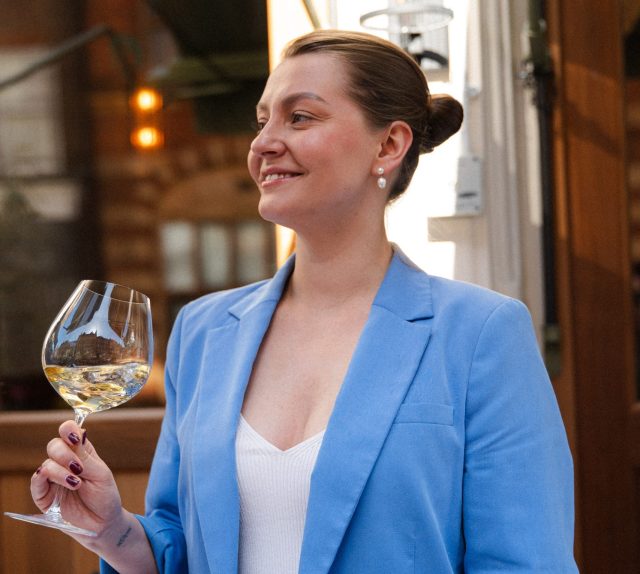
Q&A
You’ve built a career across different countries and hospitality cultures. How have your experiences in Russia and now London shaped your approach to wine and to leading a wine programme?
I began my sommelier career in 2013, at a time when Super Tuscans and Parker-era Bordeaux dominated the scene in Saint Petersburg and Moscow. Shortly after, I witnessed the rise of the natural wine movement and a growing interest in artisanal producers—an exciting period to be working in wine.
London, however, is an entirely different stage: the world’s oldest and largest wine market, where consumer trends evolve in distinct ways. An East London wine list looks nothing like one from the West, which I find endlessly fascinating. The diversity of the London wine world gives you the freedom to express your perspective—within the needs of the business, of course.
At Lita you champion handcrafted and family-owned producers. Are there any female winemakers or women-led wineries that particularly inspire you?
Of course! Funny enough, I hadn’t deliberately sought out women-led estates, I just realised it once during a conversation about some wines that truly give me “the feeling” that a bunch of my absolute favourite wines ever is united by the fact that they are produced by female winemakers. I’m talking about Stella di Campalto, Cecile Tremblay, Marie Noelle-Ledru.
Partner Content

The sommelier world has historically been male dominated. Have you seen meaningful progress for women in the industry during your career, and what still maybe could do with a change?
Absolutely. Much of this progress is thanks to Queena Wong and the Curious Vines Study Support programme, which supports female sommeliers preparing for exams and competitions. I’ve been involved for two years, and last year’s Best Sommelier of the UK semi-finals spoke volumes: five of us were on stage, and four had trained with Queena’s guidance.
You’ve received major accolades such as Best Female Sommelier of Russia. How important is recognition like this in building confidence and visibility for women in wine?
I believe recognition is incredibly important in a profession that has historically been male-dominated. It’s not about criticism—simply a reflection of how the industry evolved, with women long underrepresented in senior wine-management roles, among Master Sommeliers, and in competitions. That landscape is changing rapidly now. From my own experience, reaching the semifinals or stepping onto the stage not only fuels your own determination massively.
For young women considering a career in wine or hospitality, what advice would you give about building knowledge, confidence, and a voice in the industry?
First, stay curious and never hesitate to ask for guidance. Find someone who inspires you and let that motivation drive your progress. Confidence comes with experience, so allow yourself to make mistakes and learn from them. Most importantly, develop your own path and your own way of communicating with guests—this is at the heart of a sommelier’s craft.
Related news
Esmeralda’s Mayfair opens late-night lounge at Mandarin Oriental
London march spotlights rising mid-strength category
Liv-ex: AI will 'filter out the noise' to provide more relevant fine wine data


