



Why Chile’s ‘forgotten’ ancestral grape is due a second renaissance
A decade ago, Miguel Torres sparked a País revival by proving Chile’s “forgotten” ancestral grape could make serious wine. Today, the producer predicts a second resurgence of the variety, thanks to its knack for withstanding climate change. Amelie Maurice-Jones reports.
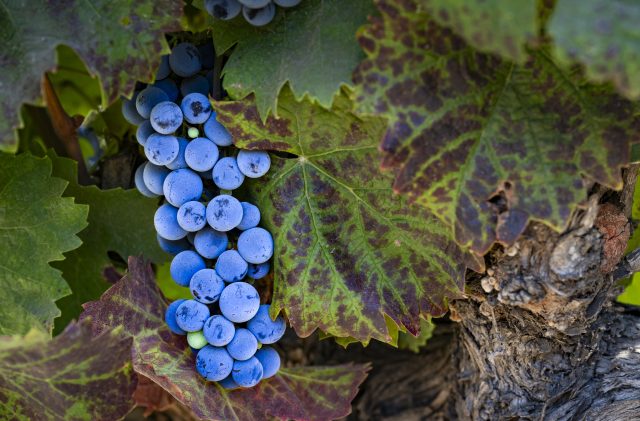
Originally brought to Chile by Spanish colonisers in 1500, País fell out of fashion in the 19th century – denounced as a grape variety only suited for blending, or for cheap, bulk wines. “It was forgotten,” Miguel Torres export manager Daniel Marquez tells the drinks business. “People focused on international varieties that at that time were more appealing, such as Pinot Noir, Chardonnay and Cabernet.”
But that all changed when Torres’ fifth generation winemaker Miguel Torres Maczassek fell in love with the historic grape’s bush-vine plantings. In a bid to prove País could make world-class wines, he launched two single varietals – Chile’s first-ever País sparkling – Estelado in 2010, and the Beaujolais-style light red, Reserva de Pueblo, in 2013.
This fuelled a País winemaking renaissance across Chile, and today, Miguel Torres export manager Daniel Marquez predicts the grapes will once again boom in popularity. “Since they are really old vines they can withstand the passage of time, as well as climate change. These are vineyards that have been for so long without the need of water,” adds.
País’ unlocked potential
Will more producers start using old vines to tackle climate change? “Absolutely,” Marquez reckons. While it’s been a decade since the País’ revolution got off the ground in Chile, Marquez is now seeing the grape take flight in Argentina, Peru and Bolivia, where it is known as Criolla. “It’s something that’s definitely gaining more traction”.
Additionally, the trend for chilled, light reds suits the style of the grape. Marquez explains: “In a world where people are drinking less but higher quality, as well as lighter reds, this goes hand-in-hand with Pais, because it is a light-bodied red grape variety, very similar to Pinot Noir but a little more rustic, and it’s a fantastic red to be enjoyed with any occasion.
Partner Content
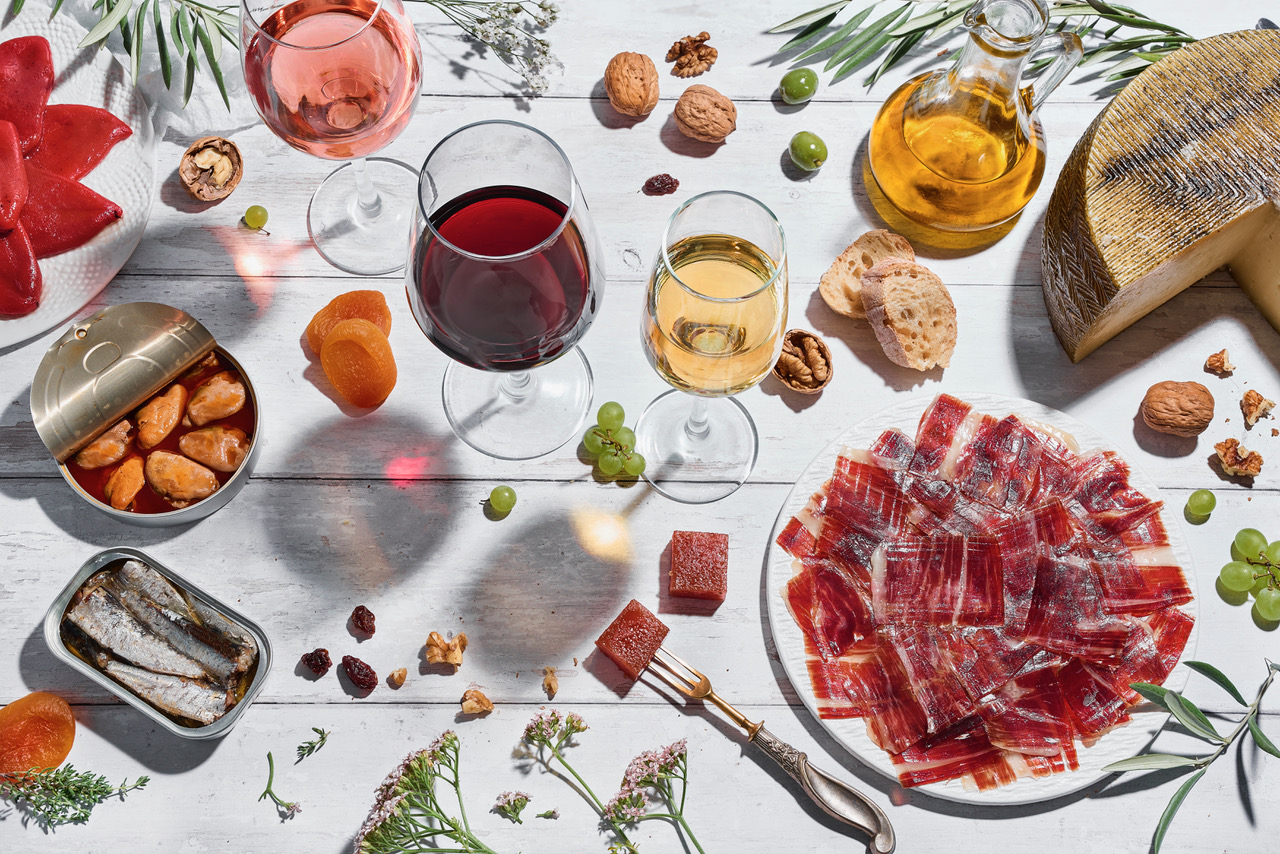

“You don’t need a piece of steak, you don’t need a heavy meal, you just need to enjoy it with people.”
Part of Chilean DNA
But the story hasn’t always been so rosy for País. In 2012, the historic grape variety risked extinction, with only 5,000 ha planted that year (wine jus). Marquez looks back: “In Europe, old vines are a treasure, and we didn’t have that same feeling back then in Chile and South America.
“We knew we had the potential of making a fantastic, high-quality wine with this, and we wanted to show the world that País could make excellent wines.”
After the family-run winery started working with local growers to use the centuries-old vines, an influx of other wineries, including Garage Wine Co and Roberto Henriquez, followed suit.
“This was part of the project,” says Marquez. “It’s not like we wanted to champion ourselves, we wanted others to follow.
“País is part of our history, our DNA. We’re very pleased these wines are really well-received.”
Related news
Master Winemaker 100: Cynthia Ortiz


