



What’s next for Spanish cider?
db caught up with Spanish cider producers to explore the trends driving growth, the rise of no and low alcohol, and whether Spain’s cider category is ready to scale internationally.
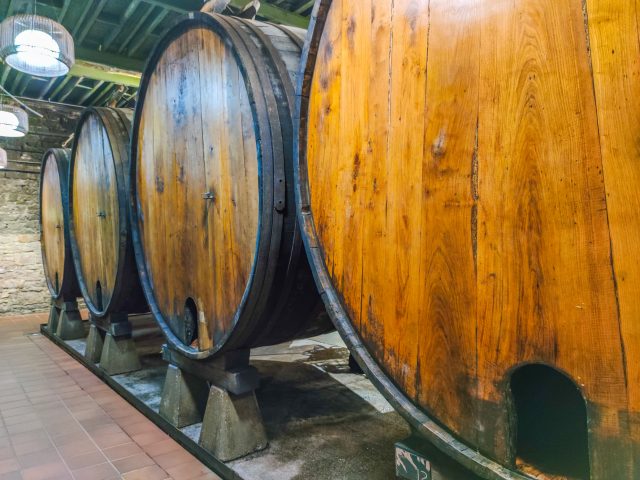
“In Spain, if you have grapes, you make wine. If you have apples, you make cider,” penned drinks writer Laurent Escobar in 2015. This still rings true more than a decade later, with Spain’s cider producers today blending innovation and tradition to tap into new international markets.
“In Spain, there are more cider cellars now than before,” El Gaitero export department ambassador Juan De Valdes Duñabeitia tells the drinks business at Barcelona Wine Week 2026. “We are innovating and we are restyling brands, and production methods.”
“There are different consumers for different ciders, so we try to produce different types of cider in different formats,” adds El Gaitero’s managing commercial director Maria Cardin Blanco. The producer’s goal is to reach as many consumers as possible, and create new habits of consumption outside of celebratory occasions like birthdays and Christmas.
International expansion
According to Grand View Research, the cider industry is forecasted to grow internationally. As of 2025, Europe was the largest in market share at 37%. In Spain, too, a flurry of new cider bars have cropped up in Madrid, Barcelona and the south of Spain, with producers experimenting outside of the traditional, cloudy, Spanish serves to create a diverse range of drinks – from sparkling, to non-alcoholic to dry, to sweet.
“We have to increase our portfolio in the whole world,” De Valdes Duñabeitia explains.
He flags South America as a key market for Spanish cider, with Argentina, Mexico and Cuba key areas the producer hopes to grow. This aligns with recent comments from Jose Luis Benitez, director of the Spanish Wine Federation, who told db that Latin America is Spain’s “most natural” market due to growing middle classes and crossovers with Spanish culture.
Opportunities outside of Spain
El Gaitero even has its own factory in Argentina, with the goal of creating ciders catered to local tastes. “We are very strong in that area,” adds De Valdes Duñabeitia.
Partner Content


And outside of the Americas, the cider producer has its sights set on Africa. De Valdes Duñabeitia hopes to increase exports to South Africa, Nigeria and Senegal, as well as northern African countries. “They are very close to Spain, it could be an easy way to sell our cider,” he adds.
On the other hand, he said the Asian market was a tough nut to crack due to “religion, drinking habits and non-alcoholic consumption”. The UK and US are also key markets, says Cardin Blanco.
No and low boom
And across the board, she says the biggest trend is no and low alcohol cider. “There are not a lot in Spain, but the ones there are, are growing and growing,” she says, adding “we try to adapt to the market,” with the producer selling several alcohol-free ciders including Alcohol Free Gaitero.
It’s a sentiment shared by Trabanco, a family-run producer based in the Principado de Asturias – the Spanish region responsible for around 80% of Spain’s cider production – that’s been making cider since 1925.
Over the past two years, the producer has seen the no-alcohol market increase, as consumers become more health conscious. “It’s the future,” he tells the drinks business.
Export challenges
In Spain, cider is “in the top of the moment,” he adds. Of course, in Asturias, people drink lots of cider. But it’s increasing in other parts of Spain too – gaining popularity in areas like Madrid.
Trabanco exports 10% of total production to 20 countries, including the USA, China and the UK. While England is a “very good market,” there’s tough competition with locally-produced ciders. The rest of Europe also presents opportunity. While the USA was also “a very good market”, Trump’s tariffs have made things “more difficult”.
It’s easier to export sparkling cider, despite the producer’s still ciders being the most popular in Spain. “We want to export more but we are working on it,” the producer adds.
Related news
How Tenerife’s worst wildfires in 40 years led to one winery’s best-selling bottle
Taste Spain London to immerse visitors in Spanish produce
Zamora Company to distribute Bottega sparkling wines in Spain


