



Small invertebrates power big ambitions at Viñedos Orgánicos Emiliana
Chile’s Viñedos Orgánicos Emiliana won Best Organic Initiative at The Green Awards 2025 thanks to its large-scale introduction of vermicompost.
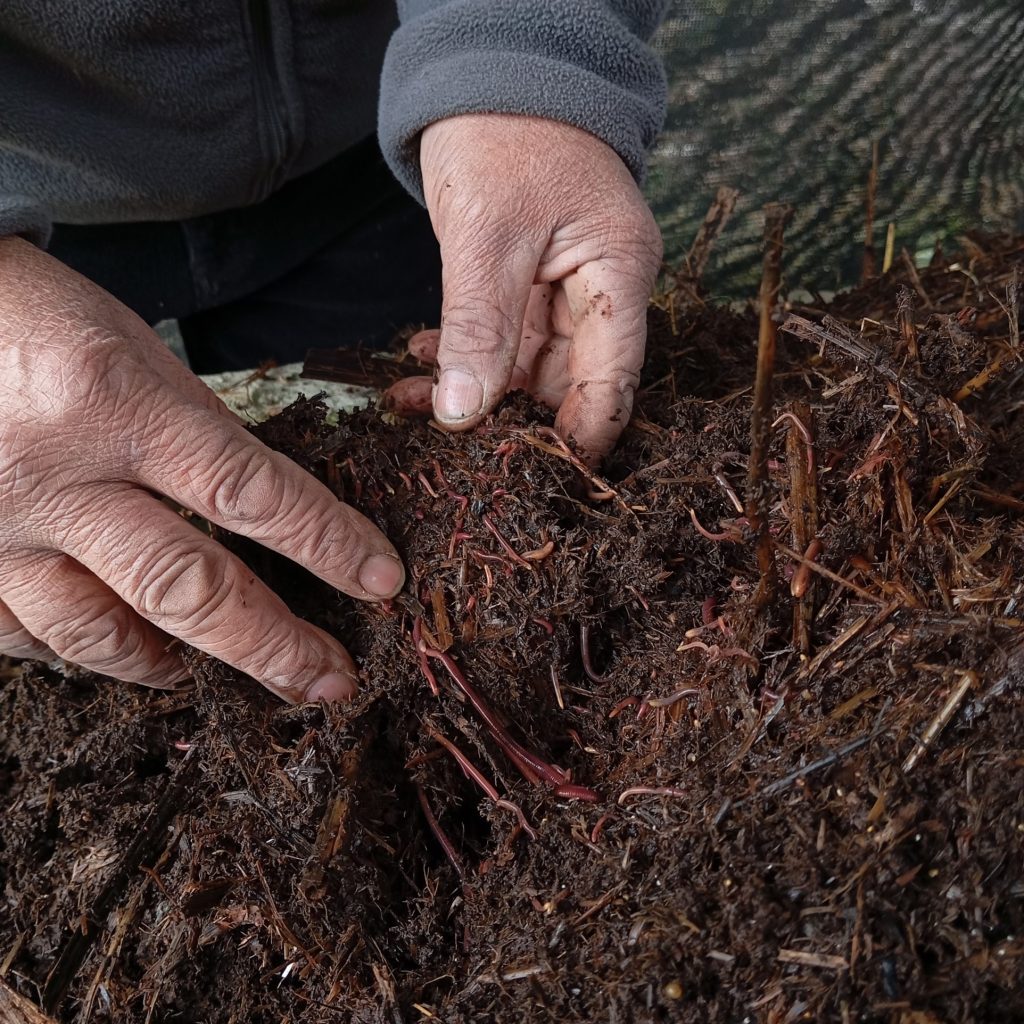
“Team worm – here we go!” It may not be the most glamorous rallying cry in the wine industry, certainly far removed from cries of ‘pop another magnum’. It was, however, the concluding comment of one of db’s Green Awards judges last year, as they decided on the winner of Organic Initiative of the Year.
That winner was Viñedos Orgánicos Emiliana, a name which should be familiar to lovers of organic and sustainable wine. The Chilean producer is the world’s largest organic winery, and a regular contender at industry awards. In years past at our ceremony, for instance, it has taken home the award for Green Company of the Year and the Amorim Special Award.
This year, however, it was the company’s work in organic production that impressed the judges, in particular its vermicompost scheme. So how is the Chilean producer harnessing the power of worms to improve its vineyards?
Regenerating the land
Viñedos Orgánicos Emiliana’s scheme relies on the role of worms in converting waste materials into rich vermicompost by digesting it. This rich compost that is formed provides the soil with humic and fulvic acids, improves their physical structure and increases the diversity and activity of beneficial microorganisms.
The vermicompost scheme is active in each of Viñedos Orgánicos Emiliana’s seven farms, from Limarí Valley in the north to Biobío Valley in the south. The application, however, differs according to each site.
In the north and centre-south that is achieved through a worm compost tea. That involves the worms breaking up the waste material and forming it into worm casings. These are then added to water – as if brewing tea – which takes up the beneficial nutrients and microorganisms, and is applied to the vineyards via irrigation. Also on this stage, a fully aerobic aeration system operates for 24–48 hours, which promotes the extraction and multiplication of microorganisms.
In the Biobío region, the process instead uses worm leachate. This is the runoff from the process of vermicompost and, unlike the tea, does not need additional water for ‘brewing’. It can be collected from the bottom of the vermicompost pile, creating a nutrient-rich mixture. Once properly diluted, this is added to the vineyards, again through irrigation.
Partner Content


Though different in mechanism, the end result for each is the same: uses worms to generate the nutrients and microbial life that promote health in vines and rich soil biodiversity. In both instances, the humus generated can then be reintroduced into composting piles to enrich them.
A large scale project
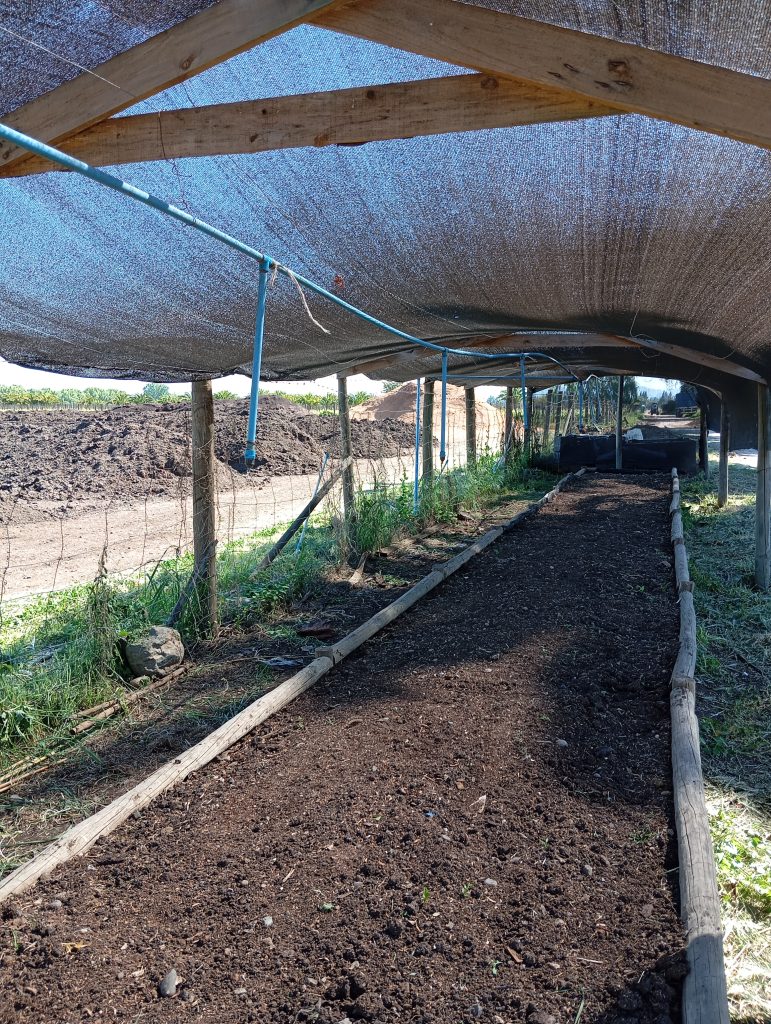
In itself, the vermicompost project is a laudable application of regenerative viticulture. More than that, however, it impressed the judges at The Green Awards with its scale.
The active surface area of the vermicomposting system amounts to 112.65 square metres, which can provide between 2,800 and 3,000 litres of enrichment to be applied per hectare during the season.
The humus that is reintroduced to composting systems, meanwhile, enriches more than 4.5 million kilograms of initial composting material. If the word compost makes you think of a green bin in your back garden, it is time to think bigger.
There is a similarly expansive approach to community, reflecting Viñedos Orgánicos Emiliana’s commitment to involving its local communities.
The waste material fed into the vermicompost system comes from a number of sources. It includes Viñedos Orgánicos Emiliana’s own waste products, such as grape skins and stems from its Palmeras winery in Nancagua. It is also a collaborative project that incorporates discarded produce from local markets and small-scale fruit and vegetable farms near each vineyard, manure from rural horse owners, and even domestic organic waste brought in by employees.
These collective efforts are helping to ensure biodiverse, healthy vineyards across Chile, marrying the principles of environmental stewardship and profitable agriculture. From tiny worms, to individual stakeholders, to vast amounts of compost, it is a project shown to work at every level: a fitting reason to secure one of our Green Awards.
Related news
Queen Camilla gives speech at Vintners Hall
Master Winemaker 100: Alberto Stella
Australian Vintage sales dip 1.7% as turnaround plan targets stronger second half


