



Wine Society champions ‘classic, cooler style’ of Rhône in 2024
The Wine Society’s Rhône en primeur – its first en primeur tasting for customers – highlighted the importance of the region to the mutual organisation, one which it says still holds “great potential” for its fine wine offer.
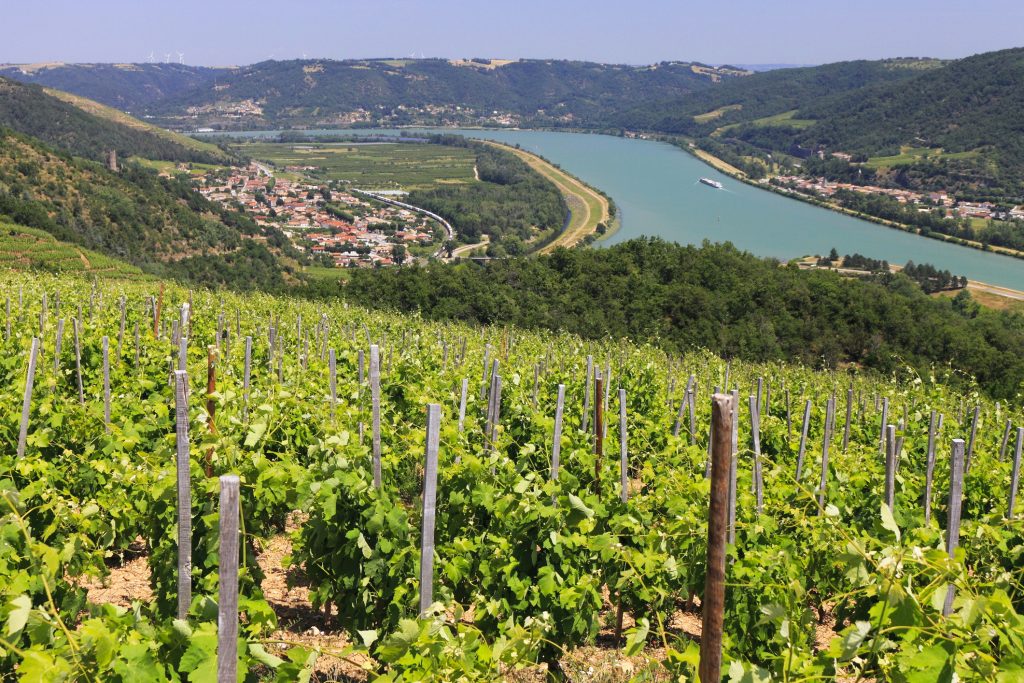
Despite the Rhône being one of the strongest regions for the Wine Society, the team have never done an en primeur tasting for their members before, preferring to run regional tasting of current vintages. However, the Wine Society’s buyer Fiona Hayes told the drinks business at last week’s tasting that it is “important to engage with the members and give them an opportunity to taste the wines both ones that are still in barrel and some older vintages for those who are not as experienced tasting young wines, so they can see where these wines will go.”
“A lot of merchants seem to be pulling back from doing en primeur tastings, so it seemed a really good opportunity for the Wine Society to come out and say: ‘We’ve never done an en primeur tasting for any region, but we’re doing it for the Rhône’,” she said.
“I think it’s really important to engage in that way and also to try and encourage new members to be interested in the region, because it is so diverse… there’s something for everyone.”
“It is one of the fine wine regions that can genuinely offer so much value, from vin de France, Côtes du Rhône, Côtes du Rhône Village and then the Crus, [which] are still very competitive and make such age-worthy wines. So there is something for everyone.”
Great vintage in the Rhône
And while the 2024 vintage seemed to be a challenging vintage, the consensus seems to be that it was a great one for the Rhône, “the whites especially” she argued. “They’re fresh, acid and linear. And the red, though lighter than the ’23, ’22 or ’20, “are for me, quite classic, in the cooler style – and wines that I like to drink.”
“After several warm vintages, the 2024 wines feel reminiscent of a more classic era; where purity, acidity and structure take centre state over power and concentration.”
“Most producers, where I tasted, said it was better than the ’21, and especially in the Northern Rhône with the Syrah, that sense of place really comes through.”
Speaking to db at the tasting, Ralph Garcin, agricultural engineer, oenologist and director at Guigal agreed that while the 2024 had been a very tricky year, due to the rain and disease pressure, the long summer came quickly but without drought, which allowed for late picking, meaning a long time for the grapes to reach maturity. “The 2024 reputation is not good because of Bordeaux, but it was very good in the Rhône,” he said.
Growth
Meanwhile, sales of Rhône wine at the Wine Society are in growth, compared to last year – white has been in growth, up around 54%, Hayes said. This growth has come largely off the back of better vineyard practise and cutting back on oak to get a fresher style. Appellations such as Gigondas have remained popular with members, she said, being lower price than Châteauneuf-du-Pape, along with area in the north that are “on the tip of the appellation”, such as IGP from Le Moulin Vin de France, Dumien Serrett from Cornas, or Domaine Rostaing Les Lezardes, Collines Rhodaniennes, which was “pretty much like a Côtes Roti”.
“You can still find value within the value,” she pointed out
Partner Content
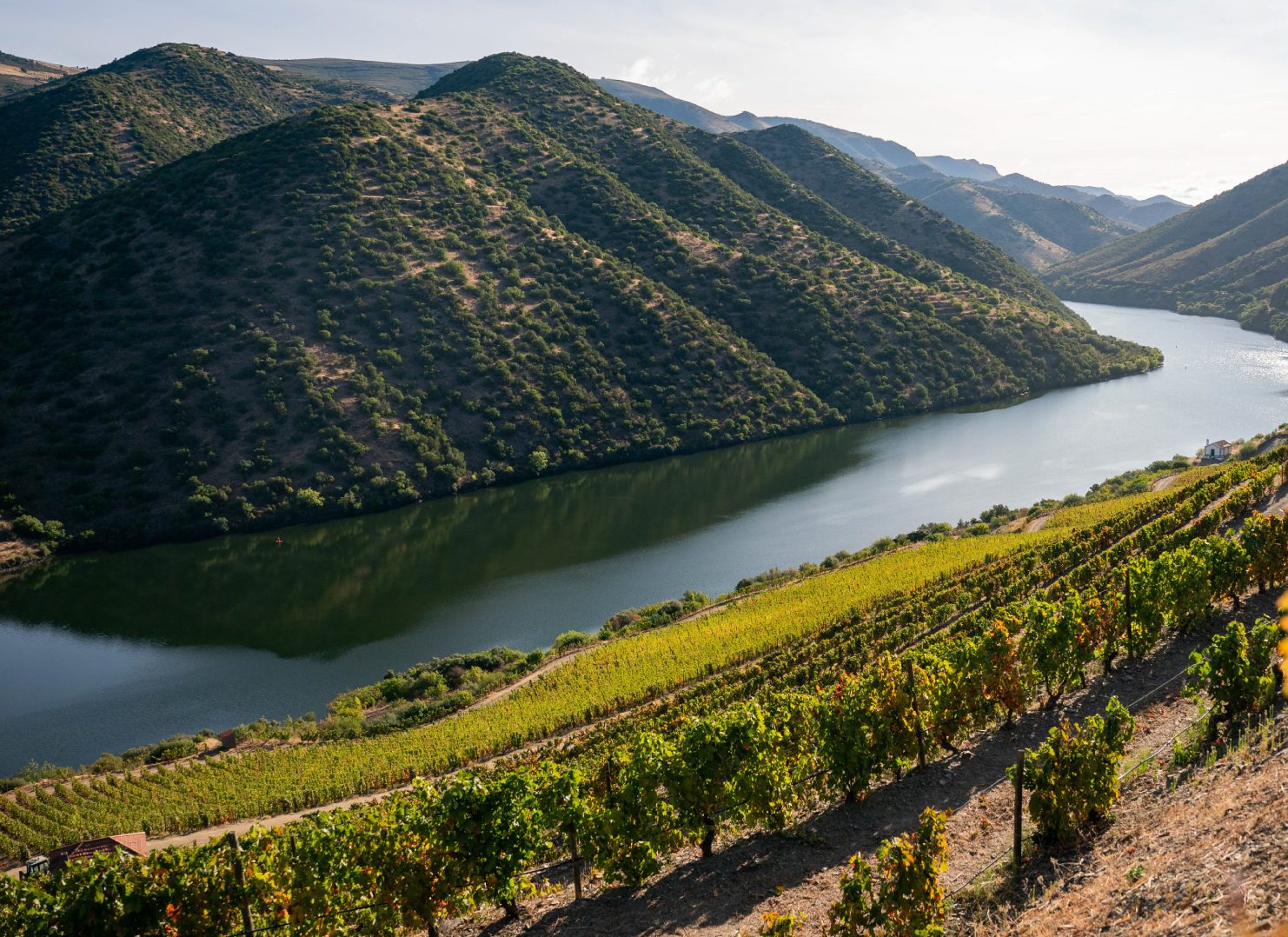
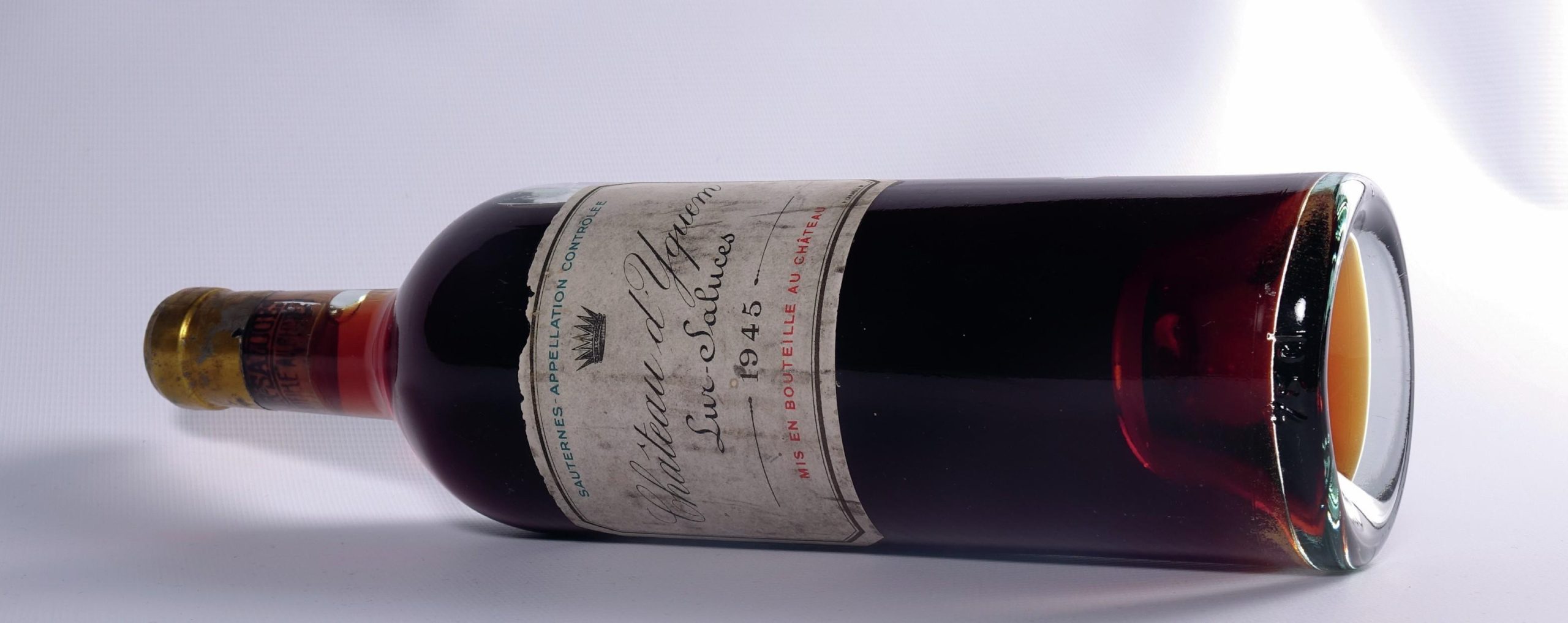

Other highlights include Château de Saint Cosme in Gigondas (“absolutely fabulous”), Chapoutier’s whites “which are very good this year”, and the Ladun white from Château Courac – the ’24 is the first year that Ladun has been cru status – which Hayes called “very exciting and amazing value”, and Hermitage “a real standout cru”.
Hayes admits that while she had been planning to reduce “significantly” the number of producers it works with down from 200 wines, she has signed on new producers, including Jean-Claude Marsanne, Domaine Gerard Courbis, and Yann Chave.
“Marcel Williams, who I took over from did such a good job in the Rhône and we’ve worked with these producers for a long time, and actually, if they’re still making amazing wine, there seems to be no need to reduce it significantly.” Instead, it’s about “finding the right sort of channel on where or when to sell it”, she said.
In addition, there have been some renewals through the changing of generations, for example Domaine de Crève Coeur in Séguret, where Pablo Hocht has started his own project with 7ha in Séguret and Sablet; Hugo and Pauline Villa’s “side-hustle” own label on the southern limit of the northern Rhone (Histoire des Gosses Vin de France Hugo & Pauline) has been added to the portfolio in addition to the original wines from their father Pierre-Jean Villa in Crozes-Hermitage and Saint-Joseph. Similarly Moulin de la Gardette has seen a generational change, with eldest daughter Zoé taking over from her father, Jean-Baptiste Meunier.
The team are “really going full out on Rhône”, with not only the en primeur, but also a Fine Wine Spotlight for the Rhône – its third spotlight to date, after the summer’s focus on Spain and Australia in the autumn “ which is now live. “But it’s something that our members do engage with.”
“It is a core part of the business, but with prices, costs and duty rising, we have definitely seen the Rhône pricing going over the £10-mark, so the Languedoc-Roussillon is more competitive at that end – it still has wines under £10, but not as many as previously,” she said. “It’s really important to definitely get the story and terroir or the region in people’s minds, rather than it being seen as entry level, volume drivers.”
At the end of last year, the Wine Society offered a fine wine parcel of the 2015 vintage, which she said was very successful – the cooperative’s long-term investment in keeping stock of older vintages until they’re ready to drink has been a key asset in that regard.
“People love the fact that you can get a wine with ten years bottle age that tastes delicious, with lots of development, but is still really vibrant and at good pricing,” she said. “You can’t find [that] in Burgundy, you can’t get hold of these wines, whereas it’s still possible in the Rhône, although it is harder for the Northern Rhône to get older vintages.”
“There is great potential for doing more in the future on the fine wine side,” she added.
Related news
The highlights of the hors Bordeaux 2026 Spring collection
Santiago Marone Cinzano: 'my generation wants wines that are ready to drink'
Raise a glass to Cabernet excellence: enter The Global Cabernet Sauvignon Masters 2026


