



Pink Flamingo shows off its remarkable Mediterranean terroir
Don’t let the flamingos fool you: behind the critters, Pink Flamingo adopts a serious approach to rosé winemaking and caring for its remarkable landscape.
There is something so pleasing in the brand of Pink Flamingo that, at first glance, you assume it is the invention of a marketing team. After all, what could better express a fun afternoon in the sun, sipping something delicately, pink than a flamingo?
In part you would be correct. The new wine, launching with its 2025 vintage, is undeniably suited to fun, easy drinking, ready to be embraced by the casual consumer.
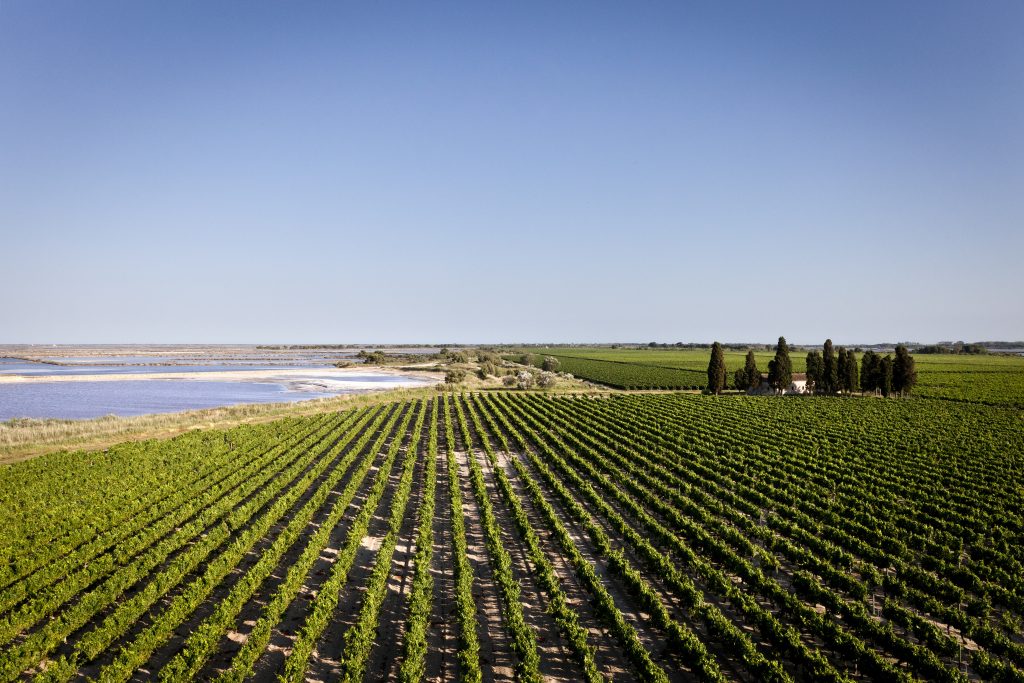
Yet there is more to it. The flamingo is not a focus group-generated motif, but rather a nod to the remarkable terroir at Domaine Royal de Jarras. The estate, owned by Maison Pommery & Associés and part of the Vranken family group for more than 20 years, sits at the mouth of the Rhône. Between the vineyards, wild flamingos roam the wetlands.
The brand’s approach, more broadly mirrors this pattern. Although the wine is accessible and styled to meet consumer demands, behind that lies a complex terroir and expert winemaking tailored to rosé production.
From the sands of southern France
Domaine de Royal Jarras’ vineyards sit on the very edge of the Mediterranean, next to the medieval town of Aigues-Mortes, in a complex network of sandy islands, lagoons and salt marshes. The 420 hectares making up the estate span this biosphere, which has proven well-suited to grape growing.
Pink Flamingo is part of Sable de Camargue AOC, a former IGP that gained AOC status in 2023 and whose name means ‘sand of Camargue’. While the appellation shares balmy sunshine and Mediterranean breezes with many southern French winemaking regions, the sands truly set it apart.
These nutrient-rich, sandy soils require work. In order to prevent erosion, producers will often plant cereals and other crops when the vines themselves are dormant. Yet the rewards are great: with such nutrition and exposure to the Mediterranean, the wines achieve purity of fruit and complex, mineral notes.
Moreover, as students of wine history will know, sandy soils are a great asset in the battle against pests and infections in the vineyard. That is famously true against phylloxera, with the region one of a handful in Europe that can grow ungrafted vines. Yet it also confers a raft of resistances, meaning that the domaine can practise sustainable viticulture. It has been fully certified organic since 2021, prioritising biodiversity and avoiding synthetic chemicals.
That is a winemaking choice; it helps the team get the most from the grapes. Yet it also recognises the remarkable landscape that facilitates winemaking. Recognised both as a Natura 2000 protected area and a Unesco Biosphere Reserve, it is a complex ecosystem that sits between land, river and sea, and between Europe and Africa. Its 272 species of birds is just one example of the biodiversity on show.
By working the vineyards sustainably and considerately, Domaine de Royal Jarras ensures that the landscape is protected for future generations, as well as making Pink Flamingo a fine example of Sable de Camargue wine.
Winemaking expertise
Once ready for harvest, the same care for sustainability is adopted in vinifying Pink Flamingo . For instance, all fining is conducted using only vegetable-based products. The winemaking, however, brings further challenges in crafting an elegant rosé in a relatively warm environment.
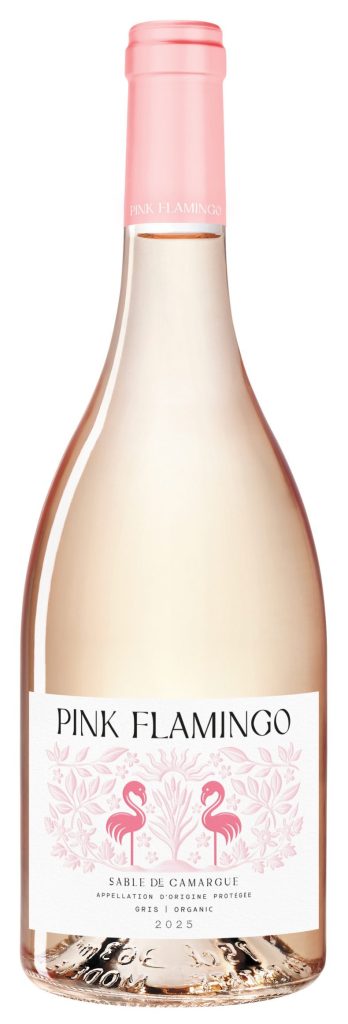 The first key decision is made before the grapes even leave the vineyard. All the fruit for Pink Flamingo is harvested at night. In those cooler temperatures, the grapes retain their acidity and fresh fruit aromas, meaning that character can carry through to the finished wine.
Likewise, on arrival at the winery, the grapes are cooled, acting as a preservative of delicate flavours and protecting the grapes against spoilage.
On beginning the work in the winery, the grapes undergo pressing at a very gentle pressure to offer utmost control over extraction. The domaine makes wines exclusively with the tête de cuvée – the very first juice to leave the press. This contains the purest fresh fruit aromatics and lightest wine, without extracting bitterness, phenolics or too much colour.
With no oak and a dry profile, the wine shows the bright, refreshing character for which the south of France is so admired. The winemakers describe it as salmon-hued, with a nose of red berries, white peaches and citrus. The palate, meanwhile, shows more of that white-fleshed fruit alongside fine salinity.
It is a style that demands winemaking expertise and rewards oenophiles, but that is still warmly embraced by the wine-drinking public.
As such, Pink Flamingo can straddle both casual and connoisseur markets – a remarkable feat, when you’re standing on one leg.
Pink Flamingo will be showcased as part of db’s Contemporary Rosé Masterclass at Wine Paris on 10 February. Visitors to Wine Paris can book to visit the Maison Pommery & Associés stand by emailing [email protected].
Related news
Why electrolytes have become wine's newest additive
Bordeaux marks milestones with commemorative bottles
#WeekInPictures: the Queen visits Plumpton as craft beer and rum move into new territory


