



‘Nearly a quarter in the drinks trade are thinking about leaving because of the culture’
Nearly a quarter of drinks professionals have considered leaving the industry because of harassment or discrimination, according to new data from Drinks United. Michelle Brampton, CEO of the WSET, and founding member of the Drinks United Programme Board, says the scale of the findings surprised even her and warns that junior staff are paying the highest price.
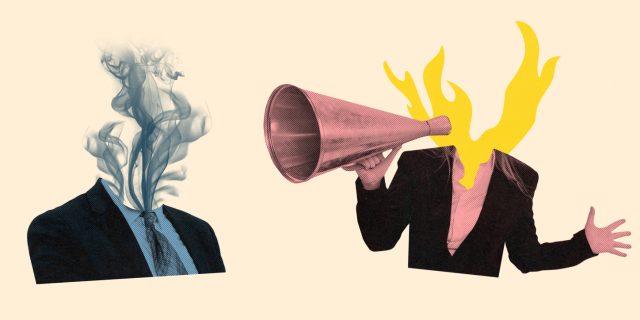
From youth unemployment to student loan repayments, workers on the younger-end of the spectrum are no strangers to adversity, and it seems the drinks industry is no exception. When one in four workers in the drinks trade has considered leaving the sector because of harassment or discrimination, it is no longer a matter of isolated incidents.
The survey found that among LGBTQIA plus respondents, the figure rises to 40%. It is 35% for neurodivergent people, 34% for those with mental health conditions and 28% for women.
Alcohol itself complicates matters. More than a quarter of respondents said they had felt pressured to drink at work, while nearly half did not know whether their company had an alcohol related conduct policy. For Michelle Brampton, CEO of the Wine and Spirits Education Trust, junior staff are often those most vulnerable.
“The social and business line can be blurred,” Brampton tells db. “It can feel hard to say no [to drinking] when it feels like the cultural norm, and when it is the product the industry is proud of.”
She believes many organisations do have drinking policies, the issue is communication and example. In her previous role, events included non alcoholic alternatives, water and food, limits on the amount of alcohol served and a senior person designated not to drink in case of emergency.
Through Drinks United, partners have developed practical tools such as event codes of conduct and Safe Events 360 guidance to help companies plan and deliver safer gatherings. The aim, she says, is to break the culture of “that is just the way it is done in the trade”.
On the front line
Frontline staff, Brampton observes, operate in environments employers cannot fully control. This unpredictability bears out in the data, which reports that one in five workers in the drinks trade feels unsafe at work.
“I think we expected some level of concern, especially amongst frontline roles,” says Brampton. “But to see one in five across the whole workforce is a bigger problem than probably most people would think.”
The survey found that the figure rises to nearly two in five among Gen Z and frontline staff.
“It signals a deeper and more systemic problem around how people are feeling, or not feeling safe at work, and psychological safety, than most organisations might assume,” Brampton says.
The young lack autonomy
Not least among those challenges is clarity, one refrain that emerged from consultations was simple and troubling: “Where do I turn to for help?”
If frontline workers face heightened exposure, younger employees face something more insidious. “They have less control over their work environment, less power within a hierarchy and less confidence to speak up without fear of implications,” Brampton says.
Gen Z respondents reported feeling unsafe at markedly higher levels than the workforce average. Many are in junior or temporary roles, acutely aware of job insecurity in a difficult trading climate. “It is harder to raise issues when they arise,” she says.
Partner Content


Listening beyond the executive suite
A consistent theme in the data is the gap between senior leaders and junior employees. Leaders often believe general policies suffice, but employees are the ones experiencing the culture that those policies, or lack thereof, perpetuate every day.
“Senior leaders exist in the same organisation, but they have a very different perspective of what goes on,” Brampton says. The solution should be neither cosmetic nor performative; anonymous surveys, listening sessions and genuine engagement across hierarchies are essential if leaders are to receive unfiltered feedback. But leaders need to want to make that change in the first place, and during difficult economic times, workplace culture can fall off the list of priorities.
For smaller companies without HR teams, the Drinks United resource hub offers free templates and guidance, much of it shared by larger firms. Change, Brampton insists, starts at the top but must be sustained throughout the organisation.
Advice to those who feel trapped
For junior staff who feel vulnerable in a precarious job market, Brampton argues that multiple voices are stronger than one.
“My advice would be to carefully pull together evidence of what you see and what you hear, and make a conversation happen about it,” she says. “I would also look for allies in the organisation to support you in doing that, because a collective voice is more powerful and more likely to be heard.”
There will, in her opinion, “always be people in an organisation who are open and trusted at senior levels”. Finding those allies can be the first step towards change.
When banter masks misogyny
Three-quarters of reported discrimination experiences in the survey came from women. “You cannot ignore that level of disparity,” Brampton says. “I think it signifies there is still a cultural problem, and you cannot brush that off as banter or humour or the social fabric of the trade.”
The drinks industry prides itself on conviviality and relationships. That sociability, she suggests, has a flip side. Networking opportunities can be male-skewed, from sporting hospitality to late-night events. Supplier and customer trips can favour a particular personality type. Those who do not fit the mould may find themselves excluded from informal opportunities that lead to advancement.
“Policies cannot fix culture,” Brampton says. “They need to be lived and breathed every day, and leaders need to role model that behaviour.
Does business have the appetite for change?
The drinks industry trades on pleasure and connection, yet those at the top have created an environment in which a quarter of its employees want to quit their jobs. Much like issues around sustainability, there is a difference between performative initiatives and genuine progress. Surveys like this cut through the marketing jargon and reveal the true state of play.
Even if the moral argument continues to fall on deaf ears, perhaps leaders will listen to the business case.
“If you want to be innovative, remain relevant, and represent your customer base, then it is fundamental that you have diversity of thought,” Brampton says.
Drinks United is a collaborative initiative between WSET, Wine and Spirit Trade Association and The Drinks Trust. The research was commissioned by Drinks United and independently conducted by IWSR between September and November 2025, gathering 680 responses from workers across a broad range of sectors, company sizes and seniority levels in the UK drinks industry. An executive summary of the survey is available to download here.
Related news
The wine industry's Gen Z problem isn't what you think


