



IWCA releases first cross industry benchmark for vineyard soil carbon
New Soil Organic Carbon compilation brings together data from sixteen vineyard projects across Europe and the Americas, highlighting the role of regenerative viticulture in climate mitigation.

International Wineries for Climate Action (IWCA) has released a new compilation of Soil Organic Carbon (SOC) sequestration data, marking the first coordinated effort to benchmark how vineyard soil carbon is measured and reported across the global wine sector.
Developed in collaboration with the Porto Protocol Foundation, the Asociación de Viticultura Regenerativa and the Regenerative Viticulture Foundation, the SOC Sequestration Compilation Project brings together sixteen completed or near-complete vineyard projects from twelve participating wineries across Europe and the Americas.
The compilation focuses exclusively on projects with robust datasets, with IWCA noting that additional wineries are expected to join future editions as their soil carbon programmes mature.
Global vineyard participation
Participating wineries span major wine-producing regions, including Chile, Mexico, France, Spain and the United States. Contributors include Concha y Toro, Don Melchor and Miguel Torres Chile; Clos de Tres Cantos Vineyards in Mexico; Domaine Lafage in France; Spanish producers Alma Carraovejas, Familia Torres, Jean Leon, Can Feixes and Clos Mogador; and US producers including Jackson Family Wines, Pine Ridge Vineyards, Chamisal Vineyards, Paicines Ranch Vineyard, Archery Group and Dodon Vineyards in Maryland.
Partner Content
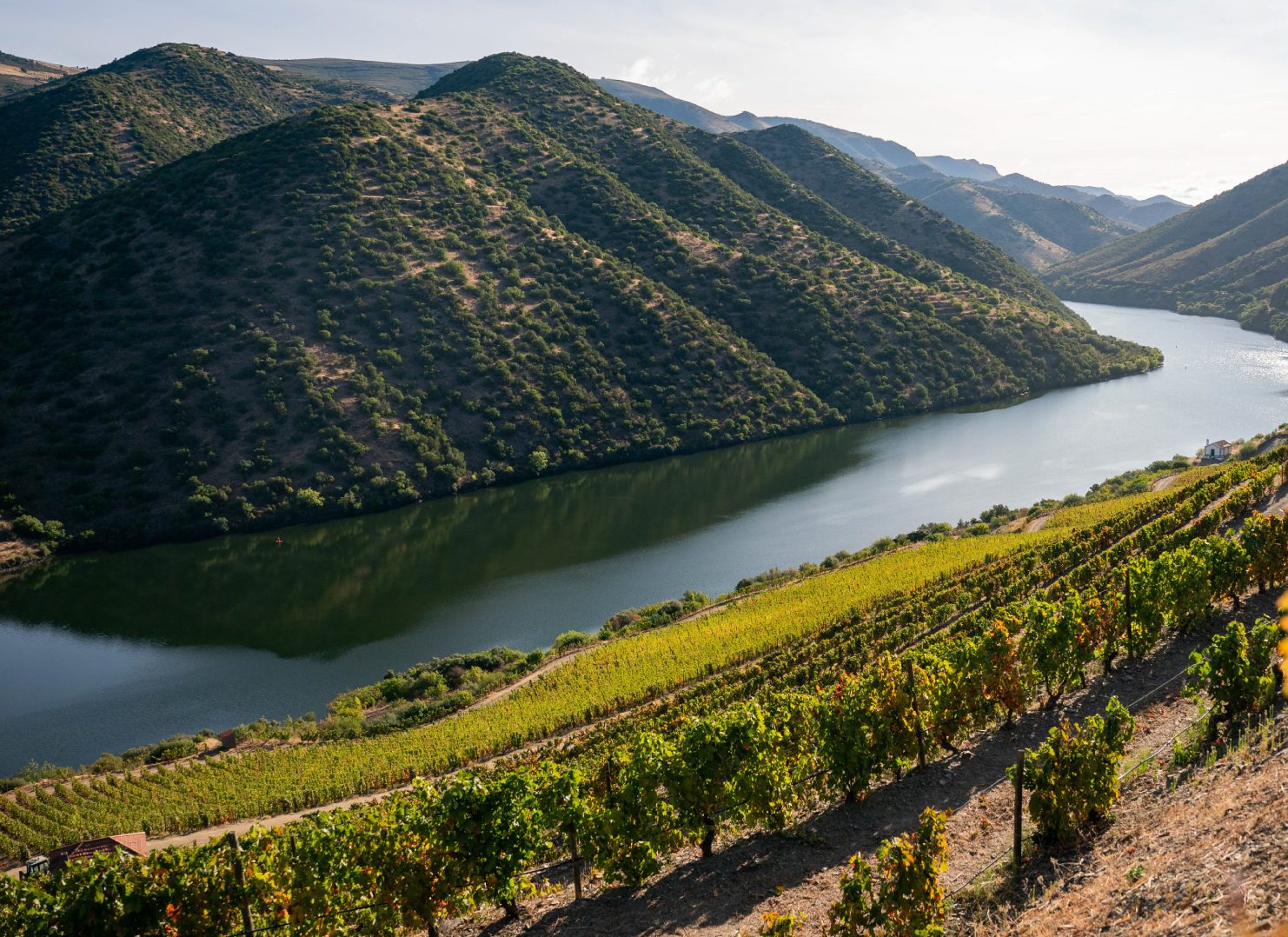


IWCA said the diversity of climates, soils and management systems represented highlights both the opportunity and the challenge of comparing soil carbon outcomes across regions.
Positive trends under regenerative management
Across the projects analysed, the compilation identifies strong and growing engagement from wineries seeking to measure and enhance soil carbon as part of broader climate mitigation strategies. SOC trends were consistently positive or neutral under regenerative vineyard management practices.
IWCA stresses that soil carbon results should be interpreted as trajectories over time rather than absolute values, reflecting the strong influence of local conditions such as soil type, climate and existing carbon levels.
The compilation also reinforces the importance of distinguishing between Soil Organic Carbon and Soil Organic Matter, noting that only SOC provides a climate-relevant measure of carbon sequestration.
IWCA said the findings underline the potential of regenerative viticulture as a science-based tool to support climate action while improving long-term soil health, with the project intended to evolve as more data becomes available.
Related news
Hallgarten roundtable: is sustainability a prerequisite for marketing success?
Small invertebrates power big ambitions at Viñedos Orgánicos Emiliana


