



How a visit to California convinced Mirabeau to sell to Concha y Toro
A trip to Concha y Toro’s Bonterra Vineyards in Mendocino proved the turning point in Maison Mirabeau’s search for the right partner. Mirabeau co-founders Stephen and Jeany Cronk, and VCT Europe general manager Simon Doyle, tell db why shared values on regenerative farming, and not just distribution muscle, sealed the deal.
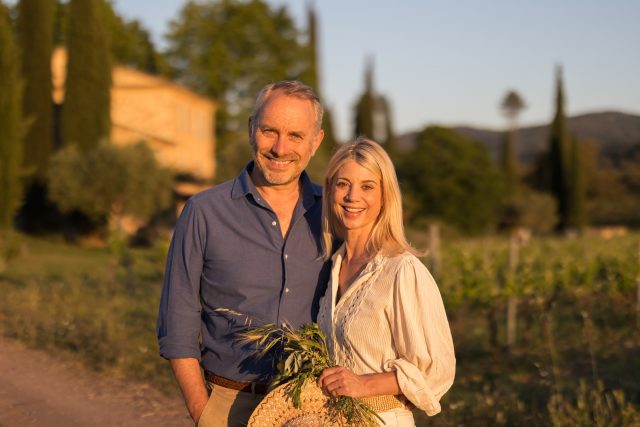
For all its formidable strength in red wine from Chile and Argentina, Concha y Toro had, by its own admission, never managed a convincing rosé offering. Simon Doyle, general manager of VCT Europe, a subsidiary of Concha y Toro, is candid about this. “In rosé, we have never had a particularly authentic offering, particularly relevant to key markets, especially the UK and other mature markets,” he tells db. The logic that followed was straightforward enough: if the group was to enter rosé seriously, it had to be in France; if it was to be in France and committed to premiumisation, it had to be in Provence.
Mirabeau, founded by Stephen and Jeany Cronk in 2010 from the spare room of their house in Cotignac, had by then grown into one of the region’s most recognisable brands, distributed across more than 40 international markets and a leading Provence rosé supplier to the UK on-trade. When VCT began examining potential targets, Mirabeau quickly rose to the top. “The closer we looked at Mirabeau, the more it met that base criteria,” says Doyle. “As we got closer, we realised there was a lot more we had in common too.”
Autonomy with access
The transaction is global in scope and financial details have not been disclosed. According to VCT Europe, existing teams, customers and suppliers will remain in place, with minimal internal change.
Doyle is unequivocal about the operating model. “We are very keen to retain Mirabeau’s distinct identity.” The structure will remain relatively autonomous, with Stephen Cronk staying on as CEO and joining Doyle and Andrea Mirone, finance and operations director at VCT Europe, on a newly formed board.
Where Concha y Toro intends to add weight is distribution. Doyle points to opportunities in impulse channels in the UK and to advancing further in Nordic markets where there are gaps. “Our job is not to absorb and suffocate the business. Our job is to provide oxygen to allow it to grow.”
For Stephen Cronk, the attraction lies within reach without dilution. “It is very exciting to think about how we can utilise the global distribution that Concha y Toro brings. I am staying on the board and staying as CEO,” he tells db.
Jeany Cronk, co-founder, sees practical benefits too. “Purchasing, innovation, research, insights and data are all areas where we can benefit.” At the same time, she said, the artisanal spirit and “quirkiness” of Mirabeau will remain.
Common ground
If premium Provence fills a portfolio gap, regenerative farming appears to be the deeper bond. Mirabeau is the first Regenerative Organic Certified vineyard in France. Concha y Toro’s Bonterra Vineyards in Mendocino is one of the largest Regenerative Organic Certified wine estates in the world.
Stephen Cronk recalls visiting Bonterra after encouragement from the editor of Food and Drink magazine in New York. “It blew my mind that this could be a working winery and still be so full of nature and life. If you could create a hybrid between a beautiful vineyard and Kew Gardens botanical garden, you had it there.”
Partner Content


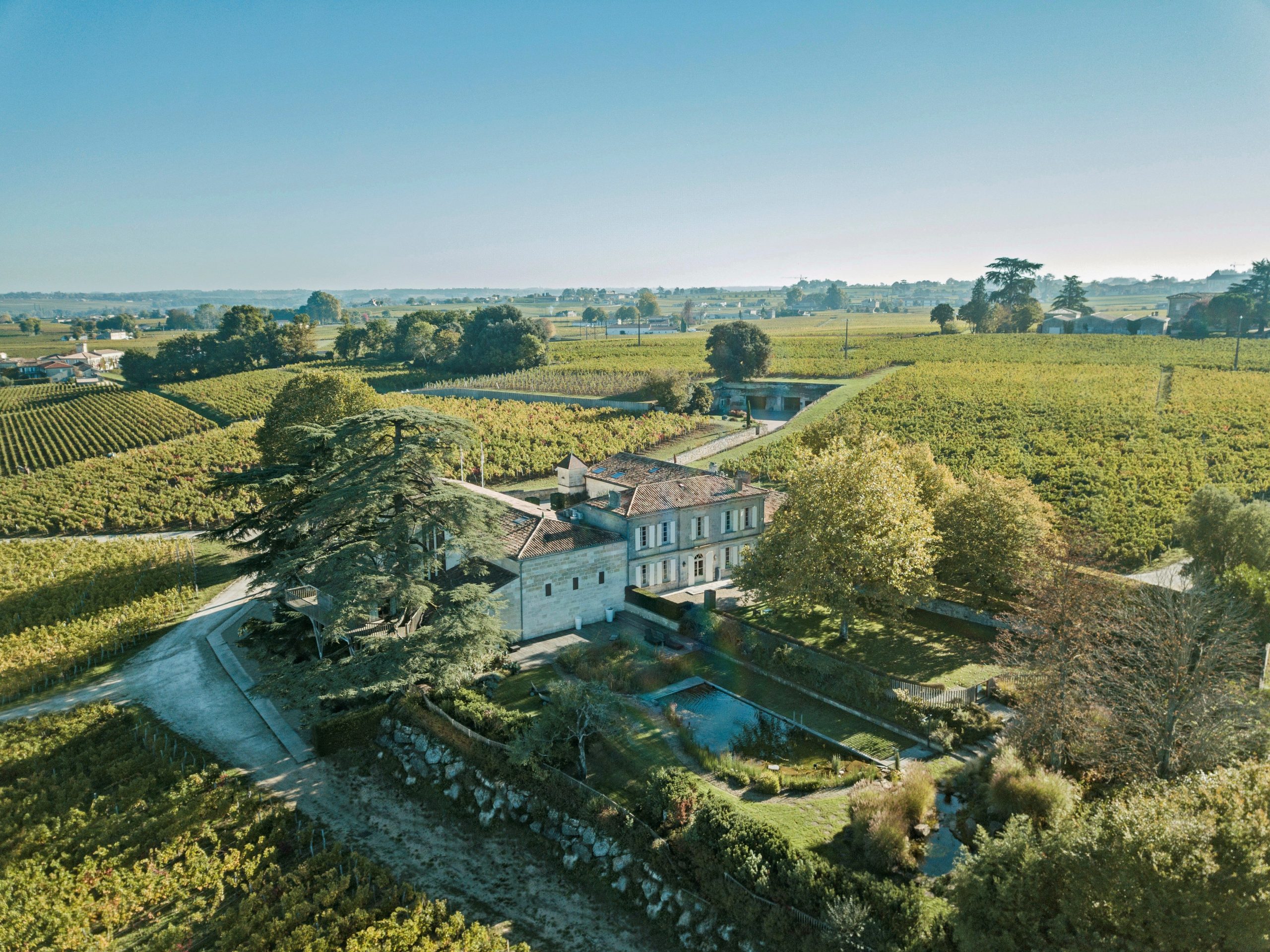
He describes it as “a great example and centre of excellence for regenerative farming”, adding that the fruit and wine quality were “second to none”. The visit strengthened his conviction that a partnership might be possible.
“As co-founder of the Regenerative Viticulture Foundation, I am always keen to visit regenerative vineyards,” he tells db. “Lining up the first regenerative brand in Provence with the biggest regenerative wine brand in the world is a phenomenal play.”
A crowded but finite Provence
Provence rosé is frequently described as crowded and increasingly expensive. Doyle’s answer is to let Mirabeau continue what it has started, with Concha y Toro providing resources rather than direction. “They will remain totally focused on Mirabeau, on rosé and on Provence.”
Jeany Cronk questions the premise. “Is it so much more crowded?” she asked, pointing to the latest campaign figures. “Exports are up 5% in volume and 6% in value in the last campaign.”
Provence, she tells db, is finite. It cannot multiply in size, and its operators are committed to maintaining its cachet. “I believe in Provence. It is one of those places that people immediately picture in their heads.”
Drinking less but better
Against a backdrop of declining consumption in several markets, the Cronks are pragmatic. “Doing less but doing better is a real thing,” said Jeany Cronk. Premium products that enhance a moment stand a stronger chance when consumers drink less frequently.
Stephen Cronk agrees that trading up concentrates the mind. “If you are buying wine once a week and trading up, you will be more conscious about those decisions.” He believes that awareness of farming practices and what consumers put into their bodies will continue to grow, with regenerative agriculture leading the way.
For Doyle, the calculus is simple: “Consumers are more selective. The opportunity is for those who offer great quality and can demonstrate traceability and sustainability.”
Related news
‘Bonkers’ rosé sales in UK driven by four wine brands
Rosewood Amsterdam bar teams up with Celebrate Her for events series


