



Has Saudi Arabia started selling alcohol?
Saudi Arabia has reportedly begun allowing wealthy foreign residents to legally buy alcohol, something that has been prohibited for more than 70 years. But why is this happening now and what is the criteria for purchasing? Find out here.
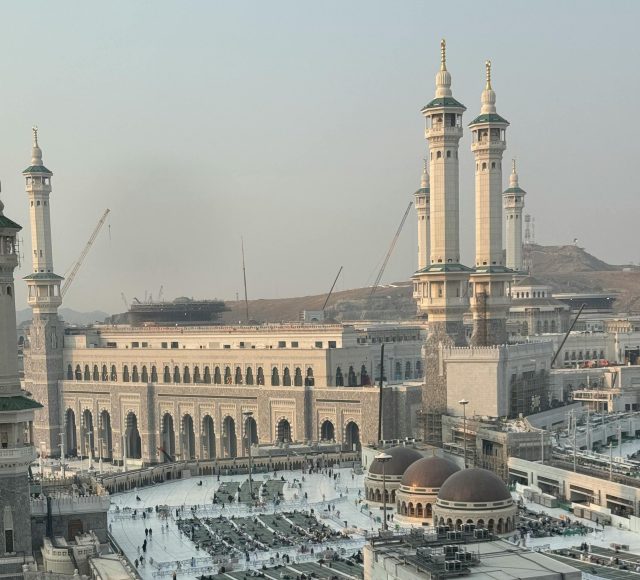
According to reports, the recent policy u-turn marks what it calls a cautious but significant opening in the highly conservative nation’s traditional stance on drinking. Assessing the rumours, while the Saudi government has not made a formal public announcement, the BBC has affirmed that a discreet alcohol outlet in Riyadh’s Diplomatic Quarter now sells alcoholic drinks to non-Muslim foreign residents meeting certain wealth and residency criteria.
As cited by Arab Times Online, the shop in Riyadh’s Diplomatic Quarter has been selling alcohol first to diplomats and now, by extension, to wealthy foreign professionals as well as long-term expats, despite there being an absence of any formal public announcement from any Saudi authorities.
As reiterated by Times of India, selling alcohol for consumption has been banned across Saudi Arabia since 1952, ever since King Ibn Saud prohibited it. The policy has, historically, also been solidly rooted in Islamic law and accepted as the conservative social norm. This has meant that, under these regulations, even diplomats have only been able to access alcohol through imported diplomatic supplies or via black-market channels.
A time for change
Looking back to the evolution of the sector within the area, in January 2024 the first alcoholic drinks shop in more than seven decades opened in Riyadh’s diplomatic district but to begin with only non-Muslim diplomats were allowed to buy beer, wine and spirits and even then under strict conditions.
Despite these challenges, according to updated reporting, the group of people permitted to buy alcohol now has become expanded to include wealthy non-Muslim expatriates, such as those holding premium residency or those who can demonstrate a high monthly income.
Partner Content


According to multiple reports, including analysis from Bloomberg, access to alcohol is now being managed by ‘premium residency status’ and showing a special residence permit – a document introduced in 2019 intended to attract skilled professionals, investors and entrepreneurs – is being used as a means of qualifying for obtaining alcohol.
Reports outline that buyers often must demonstrate a high monthly income, with some sources mentioning thresholds equivalent to around 50,000 riyals (US$13,300) per month in order to gain access.
Eligibility criteria
The shop itself allegedly remains discreet and unmarked, operating under strict controls and security includes eligibility checks and restrictions on photography as well as prohibits phones being taken inside the premises.
Despite the lack of an official announcement from the Saudi government, the BBC has reported insights that the move is seen as an extension of broader reforms being pursued under Crown Prince Mohammed bin Salman’s leadership. It is said that these reforms encompass economic diversification, social liberalisation and efforts to attract foreign talent and investment. Some are speculating that the selective alcohol ban fits into Saudi Arabia’s economic goals known as Vision 2030 which highlighted how its central strategy for diversifying its oil-dependent economy would be by boosting tourism, international business and investment while maintaining social order.
Vision 2030 has already produced changes such as the lifting of the ban on women driving, major entertainment and cultural events taking place and a move toward enhanced global tourism with expanded hospitality opportunities.
The Times of India suggested that the decision to ease alcohol restrictions, even selectively, reflects a continuation of this pragmatic, measured approach to reform, aiming to maintain cultural values while attracting high-value expatriates to work, invest and settle in Saudi cities.
Related news
Future Château raises £0.7m to expand lower alcohol wine range
UK alcohol tax revenue falls £285m despite higher duty rates
Alcohol ad restrictions dropped after industry lobbying, FOI reveals


