



Garcés Silva: fresh thinking from Leyda
One of the pioneers of viticulture in Chile’s Leyda Valley, Garcés Silva Family Vineyards is back in the UK with a new importer and a style of winemaking that has evolved significantly over the past 20 years or so. Richard Woodard finds out more.
When I first visited Chile in late 2000, a typical wine press itinerary took you up and down the Central Valley’s main arterial road, the Panamericana, stopping off at the industry’s winemaking hotspots: Maipo, Colchagua, Rapel, Cachapoal, Curicó. If you were feeling adventurous, you might venture northwest from Santiago into the Casablanca Valley, then an emerging source of cooler-climate Chardonnays and Pinot Noirs.
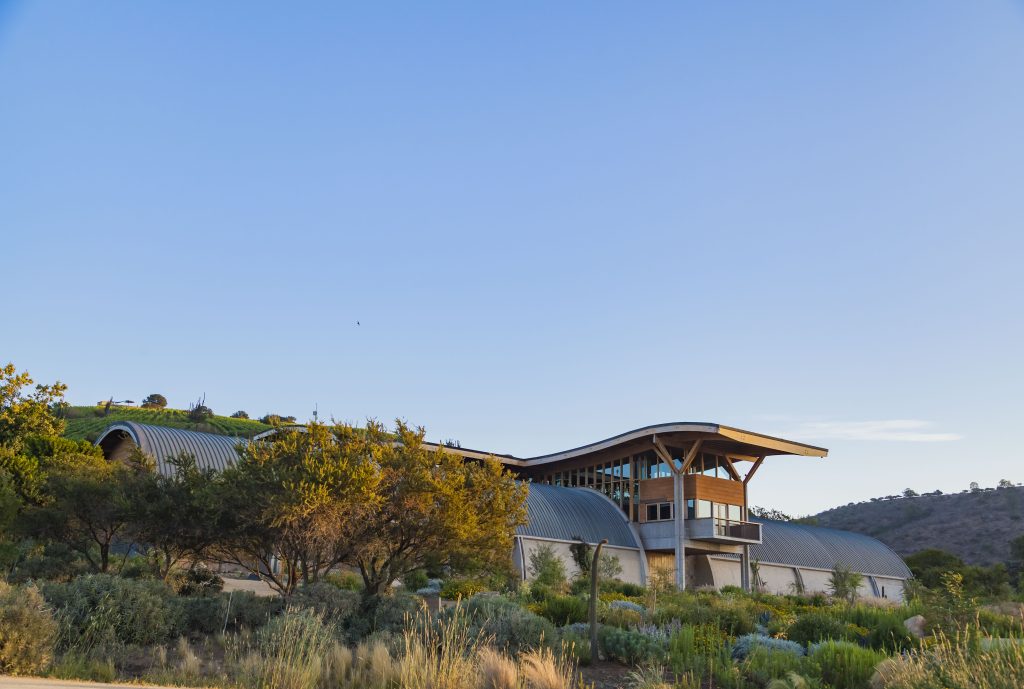
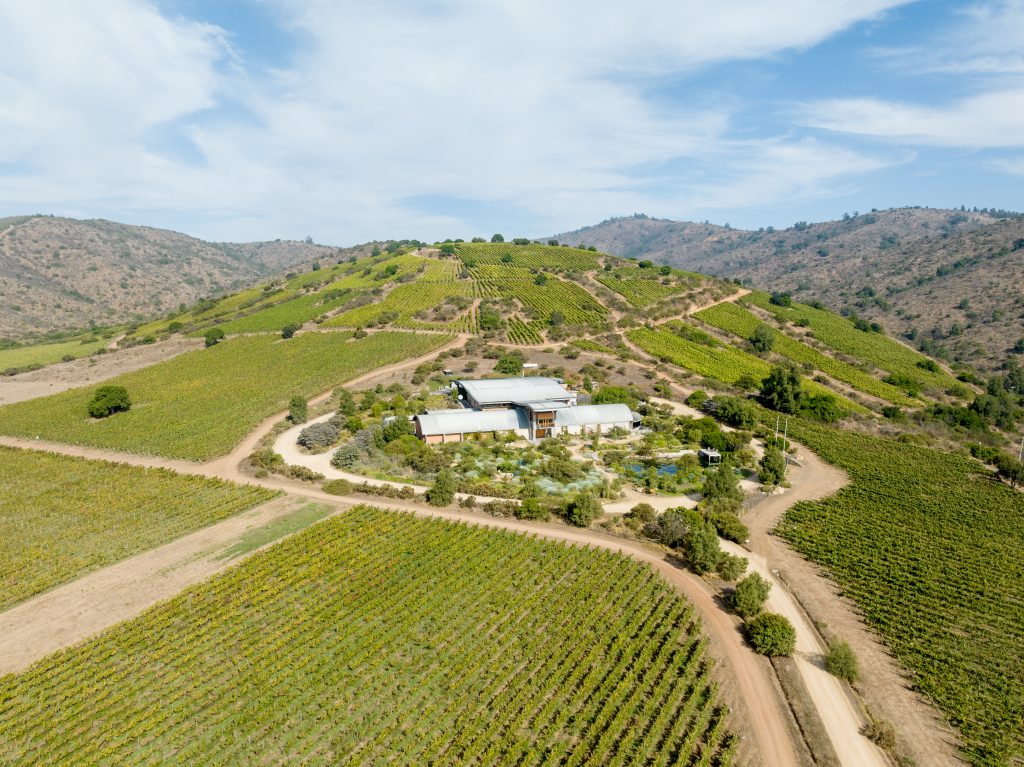
Little did I know it, but by then, the first vines had already taken root in another, even cooler subregion southwest of Casablanca: the Leyda Valley. One of the Leyda pioneers was Garcés Silva Family Vineyards, which planted its first vines there in 1999, constructing a winery three years later. The company now farms 100 hectares of vines in the area, bottling wines under the Amayna and Boya labels.
Some ‘coastal’ regions stretch the meaning of the term, but Garcés Silva’s vines are only 10km or so from the Pacific. “That makes a big, big difference,” explains winemaker Diego Rivera. “The Pacific is a cold ocean, and that cold oceanic current cools the climate dramatically. Especially if you are in the first 10-15km, it makes a big impact.” Being so close to the ocean, mildew and botrytis are hazards if vine vigour isn’t kept in check, but rains are mainly concentrated in the May to September period.
Even in the warmest month of January, peak temperatures rarely exceed 24oC. That, along with the poor soils, makes Leyda ideal for aromatic whites, Pinot Noir, Cabernet Franc and Syrah. “When people were looking for options to expand away from the Central Valley, they found these old hills were great for viticulture, especially for more expressive wines,” says Rivera. “The style of these wines and what happened at that time was a breakthrough for Chilean viticulture. Chile was much more boring then – everything was focused on the Central Valley, Cabernet Sauvignon and Bordeaux blends.”
Garcés Silva is small by Chilean standards, making about 240,000 bottles a year, with a relatively tight range of wines available in the UK via new importer Milestone Wines: two Sauvignon Blancs, two Pinot Noirs, a Chardonnay, red blend Côte d’Mar and an intriguing País from Maule (more on that later).
Leyda’s trump card, Rivera believes, is Sauvignon Blanc, which accounts for roughly half the plantings in the valley. “Probably I think it will continue to go in that direction, maybe becoming as important as Marlborough or Sancerre for Sauvignon Blanc,” he says.
Garcés Silva is trialling more white varieties, including Sauvignon Gris, Albariño and Riesling – “We are trying to push the boundaries of what the place has to offer,” says Rivera – but he reckons Sauvignon Blanc will be “80% of what the future is here”.
The Garcés Silva Sauvignon Blanc style is less vegetal or reductive, picking later to capture more tropical fruit without sacrificing Leyda’s inherent freshness. There’s a bright, fruity Amayna Sauvignon Blanc and the tighter, more mineral and focused Cordón Huinca, sourced from a 2ha block above the winery with quartz-rich soils.
Among the Pinot Noirs, the purer, more fruit-forward blocks go into Boya, while the higher-priced Amayna aims to express the more complex, structured and spicy style that Rivera attributes to Leyda’s magnesium-rich soils. “We have had a lot of focus on Pinot Noir in the property for many years,” he explains. “The style of the winery was much different from what we have now. At that time, the concept was a little bit riper, oakier, with more extraction.”
Partner Content
Rivera joined Garcés Silva in 2015 and, with viticulturist (now general manager) Ignacio Casali, quickly decided that things had to change. “We didn’t like that style, so we decided to do a slow shift to where we are now.”
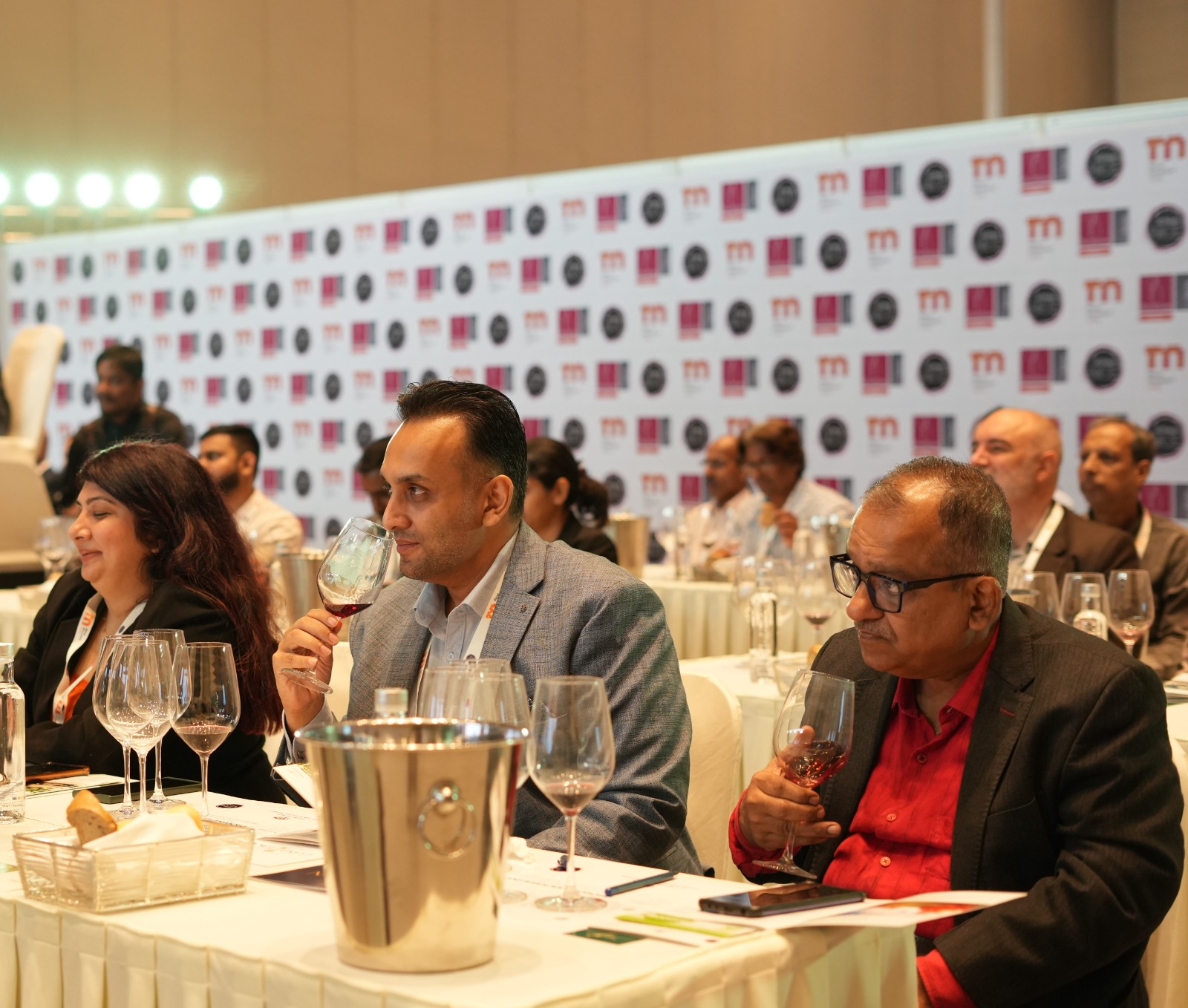
These days, each block is vinified separately, using wild ferments and up to 25% whole cluster. The reds are made in a more reductive fashion, with more lees contact, necessitating the use of technical closures, rather than screwcaps, for the Pinot Noirs (“Too reductive,” says Rivera). Rather than the one cooperage employed by the winery when he arrived, there are now 10, including larger formats: 400 litres, 600 litres, foudres.
This evolution followed changes in the vineyard, including the planting of new French clones of Chardonnay and a “second generation” of Pinot Noir that aimed to create wines with more focus and finesse. “We have done a lot of research with people like UC Davis and Universidad Austral [de Chile], trying to understand the microbiology in these wines,” says Rivera. “It’s been a long journey, a big effort to get to where we are now … but then the results are there and you feel more confident about what is happening.”
Syrah is perhaps still a work in progress. For Rivera, Leyda produces a “textbook Syrah that you find interesting, rather than the riper, jammier approach” – all light spices and white pepper. “But the market is always: ‘Mmmm… I don’t know,’” he admits. “The northern Rhône has a really niche share of the market.”
There is a pure Amayna Syrah (although not in the UK), but the focus has shifted to Côte d’Mar, a blend that combines 85% Syrah and 5% Viognier (co-fermented), plus 10% Grenache. It could be labelled as a straight Syrah, but the winery has instead plumped for a name that nods both to the Rhône and to Leyda’s maritime location.
While Garcés Silva’s Leyda wines are the company’s main focus, perhaps the most remarkable product in the company’s portfolio comes from a few hundred kilometres south of the winery, in the southern extremity of the Maule Valley, close to the border with Itata.
Garcés Silva ventured down here 15 years ago, planning to plant Cabernet Sauvignon to diversify its offer to importers – but found a 25-hectare plot of País, its vines now 120 years old or more, farmed with horses by a grower called ‘Catalino’. “Catalino has been farming this property for more than 45 years,” explains Rivera. “Everything there is frozen in time. There has never been a tractor on the property, and he does maybe one spray of sulphur a year.”
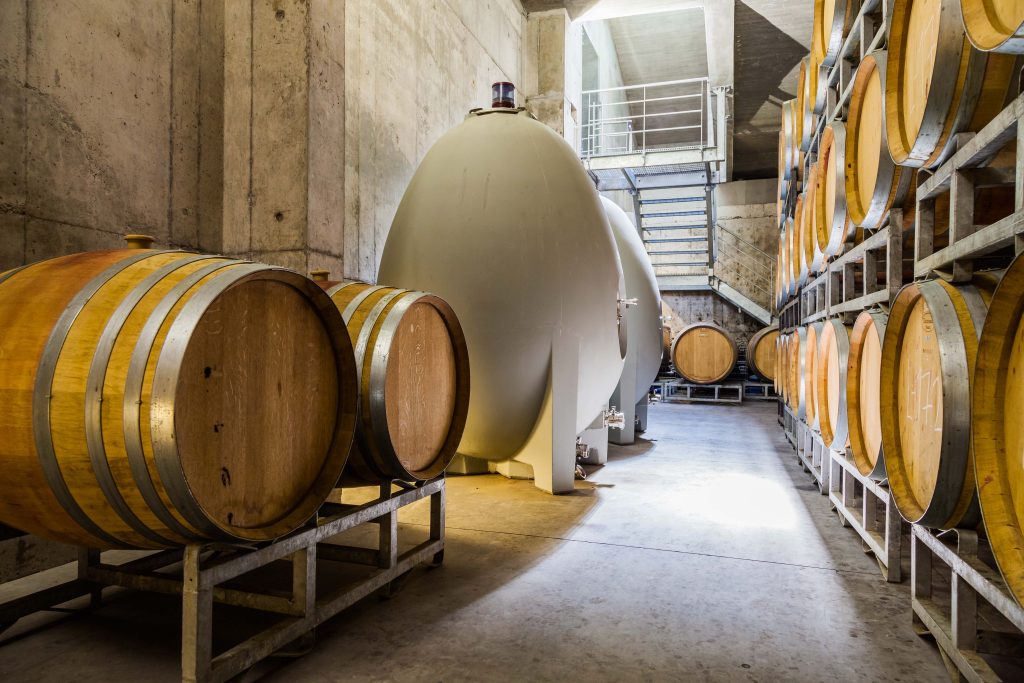
Garcés Silva acquired the vineyard and named the wine after the grower, who also features on the label. Catalino is a vibrant, expressive, 12% ABV red with lots of juicy fruit and good grip, thanks to 20% whole cluster, almost no added sulphur and 80% maturation in concrete eggs.
I can recall little about País from my first visit to Chile back in 2000 – other than the fact that it was dismissed at that time as a bulk variety of little interest or distinction. It’s a reminder that, for all the great strides that Chile’s wine industry has made over the past 25 years, discovering exciting new vineyard areas and creating fresh styles, the country’s winemaking heritage is long, rich and retains the ability to surprise.
The wines of Garcés Silva Family Vineyards, RRPs ranging from £18.50 to £27.99, are imported into the UK by Milestone Wines https://www.milestonewines.co.uk/garces-silva-familia/.
Related news
Is Canadian fizz nearing its 'Nirvana' moment?
Louis Roederer enters Burgundy with Domaine Pierre Damoy acquisition


