



Cold-hardy grapes take root in Michigan’s Upper Peninsula
As extreme climates reshape where wine can be made, producers in Michigan’s Upper Peninsula are showing how cold-hardy grape varieties are enabling consistent, expressive wines far beyond traditional wine regions.
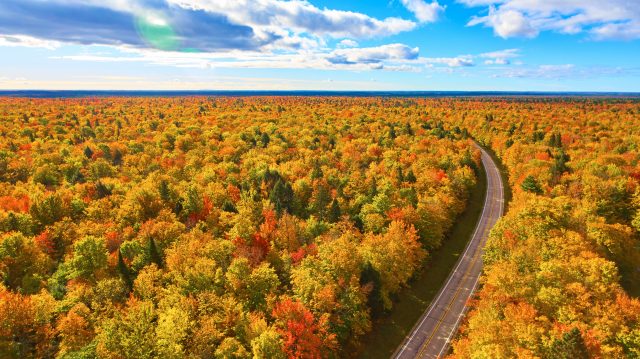
Winemaking in Michigan’s Upper Peninsula may come as a surprise to many, but vineyards near Escanaba are proving that quality wine is possible even in one of the coldest parts of the US. According to a new HelloNation article featuring Northern Sun Winery and Vineyards, the key lies in the use of cold-hardy grape varieties bred to thrive in extreme northern conditions.
Located in Bark River, just outside Escanaba, Northern Sun Winery operates in a region defined by long winters, heavy snowfall and a short growing season. Traditional European grape varieties struggle to survive here, but cold-hardy grapes have made viticulture viable and sustainable.
Grapes bred for extreme conditions
The HelloNation article explains that many of the cold-hardy grape varieties used by Michigan growers were developed through research programmes at the University of Minnesota. These grapes are designed to withstand temperatures well below zero while still ripening fully during a limited summer window.
Rather than forcing classic vinifera varieties into unsuitable conditions, wineries such as Northern Sun focus on grapes that are naturally adapted to the Upper Peninsula’s climate. This approach supports healthier vines, more stable harvests and consistent wine quality year on year.
Spring typically arrives late in the Upper Peninsula, while autumn can come early, leaving growers with little margin for error. Cold-hardy grapes bud later than traditional varieties, reducing the risk of frost damage, and ripen earlier, allowing growers to harvest before cold weather returns.
Partner Content


Challenging assumptions about cool climate wine
The article also addresses common misconceptions about wines from colder regions. While some expect them to be thin or lacking complexity, cold-hardy grapes often produce wines with bold aromas and higher acidity. Whites are described as offering crisp citrus and floral notes, while reds can show deep colour alongside spice and layered fruit characteristics.
These attributes are closely linked to the cool climate and the grapes’ ability to thrive within it. By working with, rather than against, their environment, Upper Peninsula wineries are producing wines that express a clear sense of place.
According to the article, each vintage reflects local soil, weather patterns and the region’s seasonal rhythm. Cold-hardy grapes are therefore not a compromise, but a deliberate choice that allows northern producers to build a distinct regional identity.
A growing regional wine culture
As climate considerations increasingly influence consumer choices, the article notes that cold-hardy grapes are gaining recognition not just for their resilience, but for their role in shaping emerging wine cultures in unexpected places.
The HelloNation feature, titled Why Do Wineries Grow Cold-Hardy Grapes, includes insights from Jonathan Bovard of Northern Sun Winery and Vineyards, alongside Wendy and Melissa Middaugh, wine experts based in Bark River and Escanaba, Michigan.
HelloNation describes itself as a media platform that connects readers with professionals and businesses through educational, expert-driven storytelling across a wide range of industries.
Related news
Beneath the surface: the rise of Australia’s underwater wines
Château Galoupet unveils organic ‘G’ rosé in one of world’s lightest bottles


