



Bordeaux grants official status to a lighter claret style
The Bordeaux protected designation of origin has approved a new claret designation aimed at fresher, lighter red wines. The move reflects climate pressure, shifting consumption patterns and a return to an older Bordeaux tradition.

The Bordeaux protected designation of origin has formally validated a new wine style known as Bordeaux claret, linking it to the existing Bordeaux appellation, as reported by the Guardian. Bottles carrying the designation will appear from the 2025 vintage and are intended to revive a historic style of red once shipped to Britain from the 12th century onwards.
Climate pressure and changing viticulture
Producers describe the designation as a response to warmer growing seasons and rising alcohol levels. Stéphanie Sinoquet, managing director of the Bordeaux growers’ association, said warmer conditions have allowed grapes to reach more consistent ripeness but have also pushed alcohol levels higher, with 15% now common in some wines, according to the Guardian.
Designed for modern drinking habits
Bordeaux claret is intended to be drunk young and lightly chilled, typically between 8C and 12C. The style aligns with broader shifts in consumption, with red wine drinking declining in France and Britain and lighter, fruit-driven wines gaining favour.
Partner Content

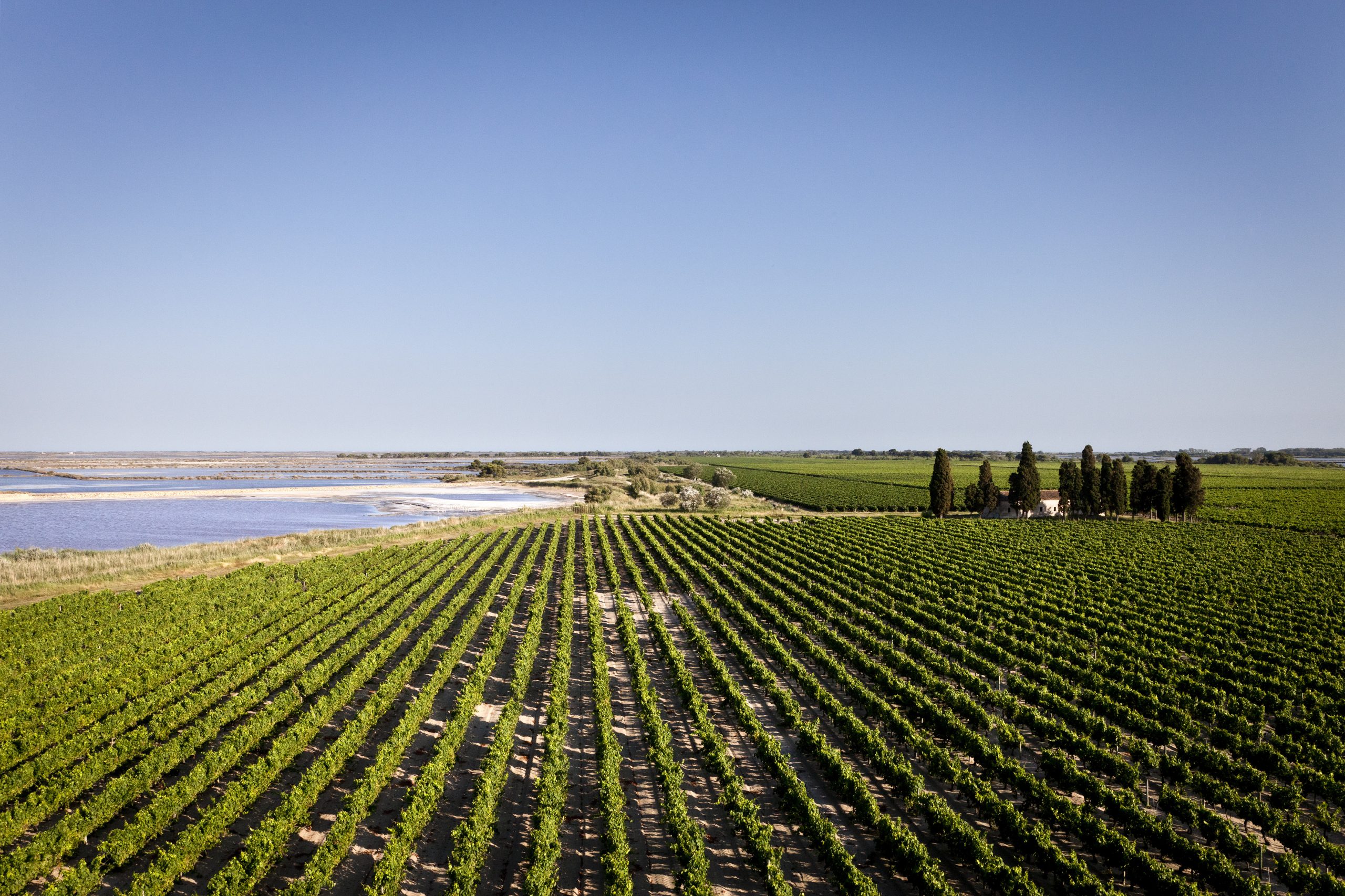


A designation shaped by recent vintages
The timing of the new designation also reflects the technical and climatic realities described in the drinks business’s previous reporting on Bordeaux. During the 2024 en primeur campaign, recent vintages have been forged under extreme climatic conditions, with heavy rainfall, uneven ripening and elevated disease pressure demanding greater precision in both vineyard management and winemaking.
That reporting showed how producers have increasingly relied on strict selection, shorter extraction and careful handling to preserve freshness and balance, particularly in a year marked by lower potential alcohols and higher acidity. In this context, the formal recognition of Bordeaux claret can be seen as an extension of practices already adopted out of necessity rather than fashion.
Rather than a break with tradition, the new designation formalises a stylistic adjustment that many growers have been edging towards in response to climate volatility and market fatigue. Bordeaux’s capacity to adapt has become one of its defining traits, and Bordeaux claret represents another attempt to align the region’s wines with the conditions in which they are now grown and the way they are increasingly consumed.
Related news
Collection of 'rediscovered' historic Bordeaux to be auctioned
The first 0.5% Bordeaux red hits the market
Why Stanislas Thiénot is confident in the future for Champagne and Bordeaux


