



Ancestral Chilean vineyards seek investors amid generational shift
As senior growers step back, Chile’s old-vine vineyards are coming onto the market, creating new opportunities for international investors and winemakers.
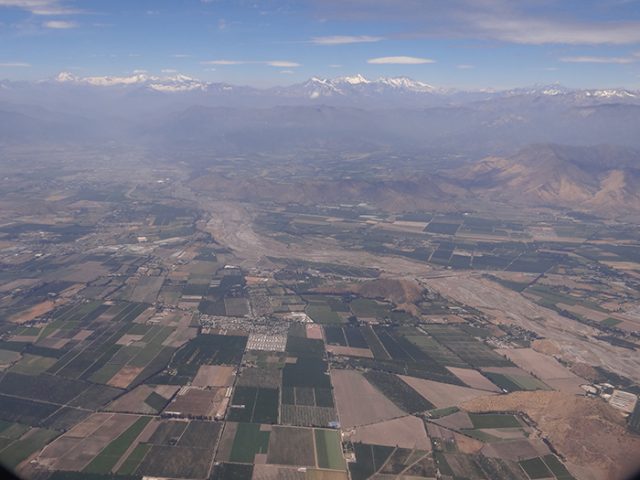
A generational transition is underway in Chile’s wine industry, with a number of senior grape growers and winery owners selling all or part of their vineyards, or seeking foreign co-investment partners to vinify and bottle old-vine wines.
The move is opening up opportunities for investors from Europe, the US, Mexico and Latin America looking to enter the Chilean wine sector, diversify portfolios and expand their market presence.
Available opportunities range from plots of between one and five hectares and include ancestral vineyards alongside newer plantings of European grape varieties. Many of the sites are already in production, located in established terroirs and capable of delivering high-quality wines.
Old vines and succession challenges
Chile is home to one of the world’s largest areas of old vineyards, including País — the original Listán Prieto brought from the Canary Islands in the 1600s — as well as Moscatel de Alejandría and centenarian plantings of Cabernet Sauvignon, Malbec, Cabernet Franc and Chardonnay.
Many vineyard and winery owners, most of whom are now over the age of 70, are seeking to pass on their vineyards to new owners committed to preserving old vines and improving wine quality, according to agronomist Maximiliano Morales.
In some cases, owners are willing to remain on site during a transition period, allowing new investors time to professionalise operations before assuming full control.
Partner Content
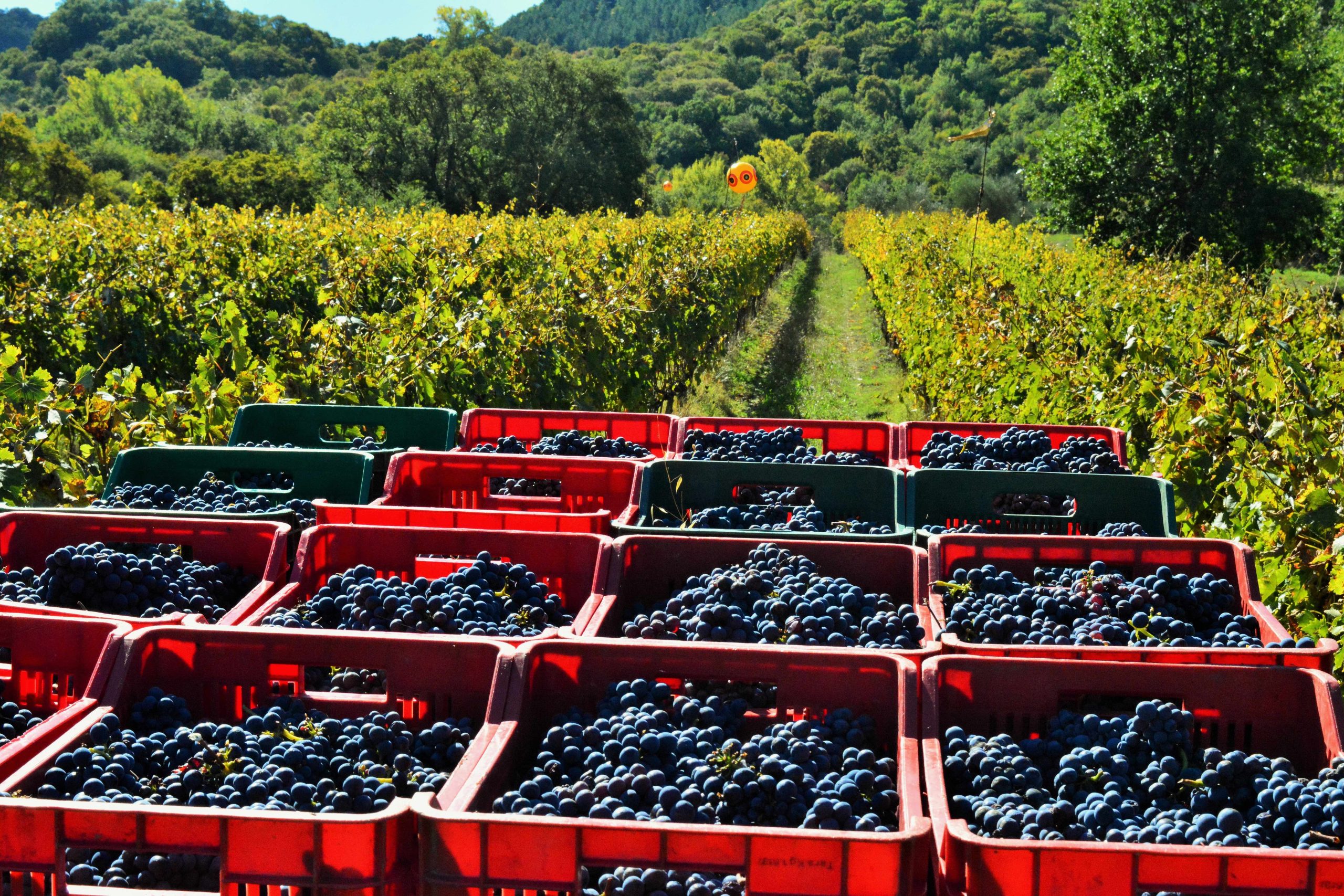
Morales says several established winegrowing areas with vineyards more than a century old are currently seeking investment to support the vinification and bottling of old-vine wines. This is particularly evident in the Biobío region, and especially the Laja Valley, where País vineyards coexist with historic plantings of international varieties.
The aim, he adds, is to attract international investors and independent winemakers interested in producing and bottling old-vine wines as part of the continued growth of the category.
Opportunities are being reviewed confidentially across Chile’s main wine-producing valleys, including Aconcagua, Casablanca, Itata, Biobío, Rapel, Cachapoal and Maule.
Morales said: “Currently, several Chilean winegrowing families are undergoing wealth reorganisation and generational succession processes. This is leading to decisions to liquidate or reinvest productive assets such as vineyards and wineries, with or without an associated commercial brand.
“Combined with Chile’s current economic conditions, this has created a particularly attractive environment for international investors with a long-term vision.”
He added that he is in direct and confidential contact with vineyard and winery owners to explore asset sales and strategic partnerships focused on business continuity, operational professionalisation and international expansion.
Related news
How do people under 40 find their way into fine wine?
‘Bonkers’ rosé sales in UK driven by four wine brands
How a visit to California convinced Mirabeau to sell to Concha y Toro


