



Alice Tétienne steers Champagne Henriot to a sustainable future
Following the launch of its Cuvée des Enchanteleurs, cellar master Alice Tétienne shares how innovation and sustainable viticulture are helping safeguard Champagne Henriot’s legacy, as climate change continues to rear its ugly head. db reports.
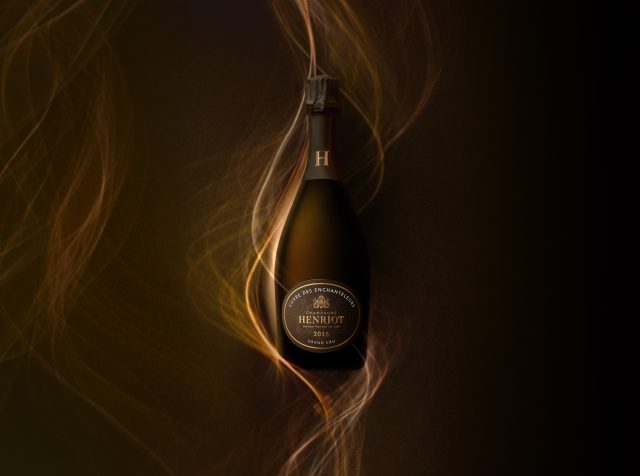
With a cuvée launch comes a flurry of launch events, ceremonial moments where wine-lovers and winemakers come together to share the wine for the first time. “It’s always a gift,” Tétienne tells me, just back in France after a London launch party for a new 2015 vintage of its Cuvée des Enchanteleurs – crafted from the wines of the six founding Grand Crus.“We don’t make wines for us, we make wines for people”, she adds.
And sharing wine is truly what it’s all about. The end result of uncorking a bottle and clinking flutes with peers is a beautiful thing. But the production process of grape to glass is becoming more and more fraught. Despite “beautiful quality”, Tétienne says that climate change continues to be an immense challenge.
“Climate change is a reality,” she tells the drinks business. “It’s really concrete for us, and every year is worse – every year we have new symptoms that make us very afraid.”
Frost fears
Top of these symptoms are extreme, volatile weather conditions. While 2024 was characterised by excessive rain and high mildew pressure, 2025 was hot and dry, with a lack of humidity resulting in a very low yield. “It was the first time we understood that the future is quite dangerous, because we had dry grapes, and we saw colleagues in Italy who had drier grapes, and they were not in capacity to make wine,” says Tétienne. “Imagine in a few years, if it’s the case in the Champagne area, it’s a disaster.”
Tétienne has been happy to see spells of snow and low temperatures over the winter period. “We need the low temperatures for the soils, for the bacteria, to fight some of the insects,” she says.
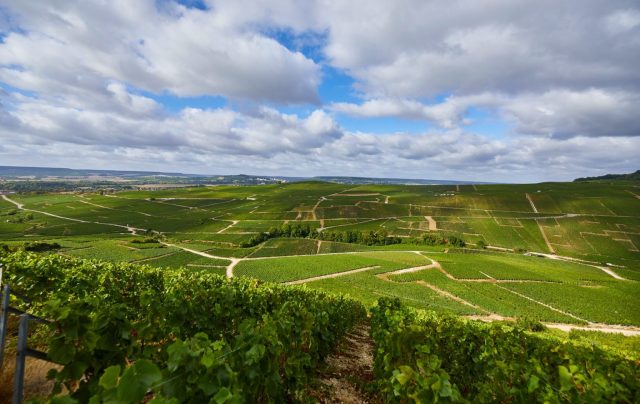
But, frosts during spring are a critical threat. “We have one major appellation with 34,000 hectares of wine, so we cannot protect 100% of the vineyards to fight the frost.
“We are afraid by that”
Partner Content


Innovation and adaptation
What’s the solution? “The best answer is to be very present in the vineyard during harvest and to adapt our vertical practices to each terroir,” says the cellar master. “Even if we have more technologies, even if AI can begin to be present in our industry, the human feeling is very important.”
Since succeeding Laurent Fresnet as cellar master in 2022, Tétienne has focused on adapting the estate to climate change. For example, she has reduced tank sizes to better match smaller harvests. She has also changed vineyard practices: whereas plots within the same cru were once uniform in ripeness and harvested all at once, they now ripen more unevenly, requiring teams to pick the same plot over several days.
In 2020, she founded the Alliance Terroirs project to carry forward founder Apolline Henriot’s mission of celebrating and sharing the beauty of the vineyard. The project is built around three pillars: deepening the understanding of each terroir, adapting viticultural practices to suit their specific characteristics, and ensuring the long-term sustainability of Champagne. Tétienne considers this initiative her greatest achievement to date.
Carbon footprint assessment
A year later, the house began the formal certification process to transition its vineyards to organic viticulture, part of a broader sustainability strategy designed to enhance biodiversity and reduce the environmental impact of its farming practices.
This shift included a comprehensive assessment of the House’s carbon footprint. “With organic viticulture, the carbon impact was bad,” Tétienne admits. Yet the findings provided a clear direction for change. Today, the company uses animals to graze the vineyards during winter and deploys robots to cultivate the soil, reducing reliance on heavy machinery and further lowering its environmental footprint.
Looking to the future
Speaking of what mark she wants to make at Champagne Henriot, Tétienne says: “I hope we will be able to transmit the same beautiful legacy and beautiful wines.”
Looking long-term, she adds: “The goal of Champagne Henriot is to continue to adapt ourselves. We have a long story behind us, we need to perpetuate that, but at the same time, we need to be modern.
“We want to protect our philosophy and traditional craftsmanship, creating something that is modern and that speaks to everybody. We need to continue to give pleasure, so we need to listen to the consumers, but we need to continue to be us and share that.”


