



What does the EU-India trade deal mean for wine?
In a landmark moment, India and the EU have signed a trade deal that will see the tariffs on European produce, including wine, spirits and beer, slashed in half, and then further reduced.
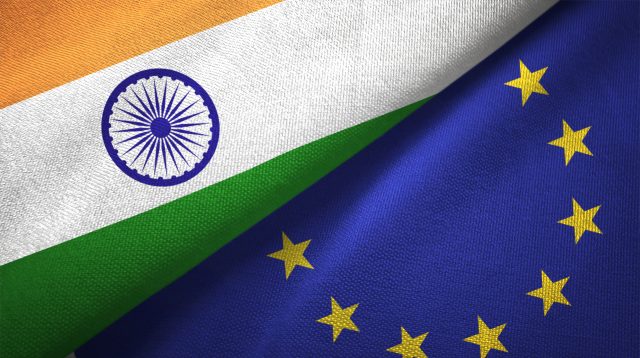
The pact was sealed in Delhi after nearly two decades of negotiations, reducing tariffs on key European exports.
When the deal comes into effect, tariffs on EU wine will be slashed from 150% – to 20% for premium wines and 30% for mid-range wines, making European wines significantly cheaper in India. Duties on spirits, including vodka, rum, gin and whisky, will be reduced to 40%, and on beer to 50%.
The deal comes at a time of rising geopolitical tensions with the US. India currently faces 50% tariffs imposed by President Donald Trump last year, and last week, Trump threatened tariffs on European allies for opposing a US takeover of Greenland.
‘Mother of all deals’
Speaking at a media briefing in Delhi, European Commission president Ursula von der Leyen dubbed today’s pact “the mother of all deals.” Meanwhile, Indian Prime Minister Narendra Modi said it was “historic”.
India’s wine imports are growing at a compound annual rate of 12%, according to data from the Uiv-Vinitaly Wine Observatory. The wine market in the world’s most populated country is set to hit US$520 million by 2028 (IWSR), fuelled by a burgeoning middle class which grew 6.3% between 1995 and 2021, and increasing interest in international food and drink.
At the launch of the deal, the EU will also axe all tariffs on 90% of Indian goods, and zero tariffs will be extended to 93% of goods within seven years.
A promising future
Commenting on the deal, WineCap and Westgarth Wines CEO Alexander Westgarth said: “For as long as I’ve worked in fine wine, there’s been an open question about what would happen if India meaningfully opened its market. Lower tariffs won’t transform things overnight, but they can change the trajectory of demand.
Partner Content


“This is particularly important in the current climate, given the heightened friction with the US. With global trade becoming more fragmented, India’s opening could prove one of the most important long-term developments for fine wine.”
Wine imports grew more than 50% in the first half of 2025, bucking the broader global trend of declining consumption, with the volumes of wine sold in India’s domestic and travel retail market ticking up by 6% and 13% respectively.
A growing market
The country’s 150% import duty on all wines is one of the highest in the world, acting as a significant barrier to access for wine producers.
In 2025, Kathleen Willcox, reporting for the drinks business, predicted that slashing these rates would make wines more marketable to India’s growing community of wine lovers, led by urbanites, women and younger people.
Brussels said today’s agreement will boost investment flows, improve access to European markets and deepen supply-chain integration.
Swiss potential?
A separate trade agreement which came into effect last October will see tariffs gradually eliminated on a wide range of goods between India and the European Free Trade Association (EFTA), comprised of Switzerland, Norway, Liechtenstein and Iceland.
These include wines exported from EFTA countries to India, and goods like medicines, steel products and textiles exported to EFTA countries.
Swiss wineries will likely see the biggest benefit, but even these will likely be limited, especially in the near future, due to a combination of small estate sizes and high domestic consumption in Switzerland.
Related news
Talha tales: reviving Alentejo’s amphora wines



Don’t forget that New Zealand has just created an FTA with India. I suspect that they will be more ambitious than Europe!