



Welcome to Brazil’s valley of the vineyards
How can a subtropical valley produce award-winning sparkling wine? A combination of distinctive terroir and generational expertise is the answer for Brazil’s Casa Valduga.
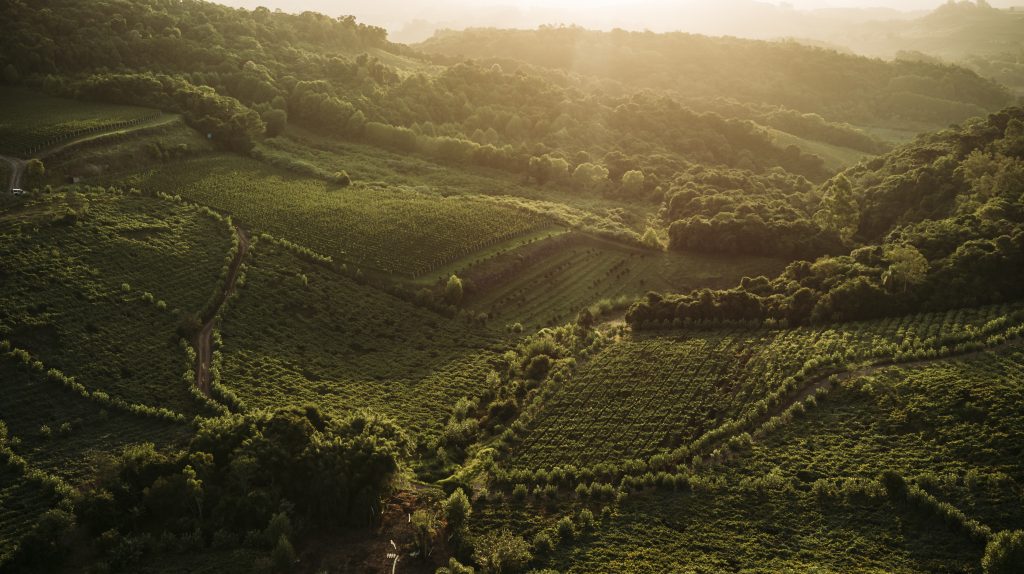
Picking up a bottle of Casa Valduga can still prompt surprise: wine from Brazil? Despite being the southern hemisphere’s sixth-largest wine producer, Brazil remains largely absent from the global fine wine conversation. To find it on the global stage – Casa Valduga is imported into the UK by Enotria, for instance – is the exception rather than the rule.
That general absence is not due to a lack of natural potential. One of the world’s most biodiverse countries, Brazil spans almost 40 degrees of latitude and encompasses a vast range of climates and biomes capable of supporting Vitis vinifera. In the southern state of Rio Grande do Sul, European grape varieties have been cultivated for generations, forming a long-established winemaking culture.
According to Eduardo Valduga, director of Casa Valduga, it is time that culture gained international recognition. “Our wines combine identity, creativity and heritage,” he says, “showing that Brazilian wines – particularly sparkling – can be elegant, distinctive and globally relevant.”
Brazil’s foremost terroir
Casa Valduga is based in the Vale dos Vinhedos, one of Brazil’s most important wine regions and, since 2012, its first Designation of Origin. Situated at around 29° south, just outside the classic viticultural band, the region presents challenges such as high humidity and marked vintage variation. Yet elevation provides a vital counterbalance. Vineyards sit at around 600 metres above sea level, with varied slopes and exposures creating a broad range of terroirs.
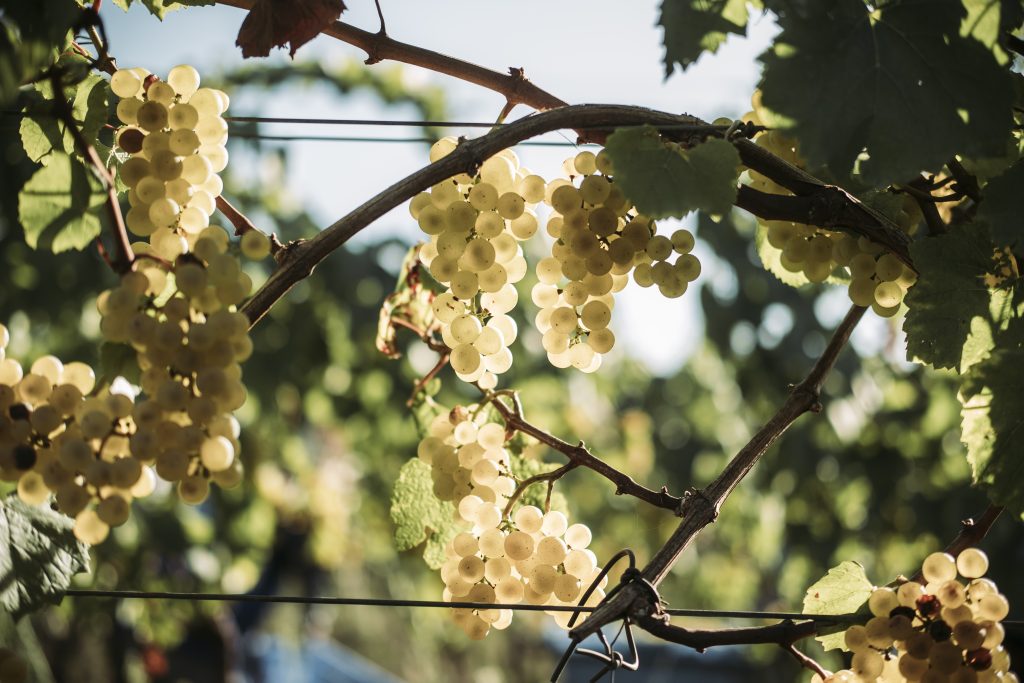
These conditions allow for both ripe, fruit-driven reds, with Merlot a local speciality, and fresher styles more associated with cooler climates. Chardonnay and Welschriesling perform particularly well, with harvest timing carefully managed to preserve freshness and aromatic precision. Infertile basaltic soils further enhance concentration. The region’s greatest success, however, has been in sparkling wine, where Vale dos Vinhedos has emerged as a leading force in South American fizz, producing an impressive range of styles.
Historic winemaking
Like many regions in the Americas, Brazil’s winemaking tradition begins in the 16th and 17th centuries with Portuguese colonists and – particularly – Jesuit missionaries. Production was limited, however, and often unsuccessful in transplanting European vines and traditions across the Atlantic.
It was in 1875 that Brazil’s wine industry – as we might recognise it today – emerged. A wave of Italian immigrants settled in Rio Grande do Sul, and the Valduga family was among the first.
“Beyond the natural factors, the region is profoundly shaped by Italian immigration at the end of the 19th century,” explains Eduardo. “The persistence, resilience and agricultural dedication of these families laid the foundations of local viticulture and continue to inform our philosophy today.
Marco Luigi Valduga arrived from Rovereto in north Italy, a region with its own reputation for fine wines. He had the vision of making Brazil’s very best wines, a mission that has been carried through the family to the generation now in charge.
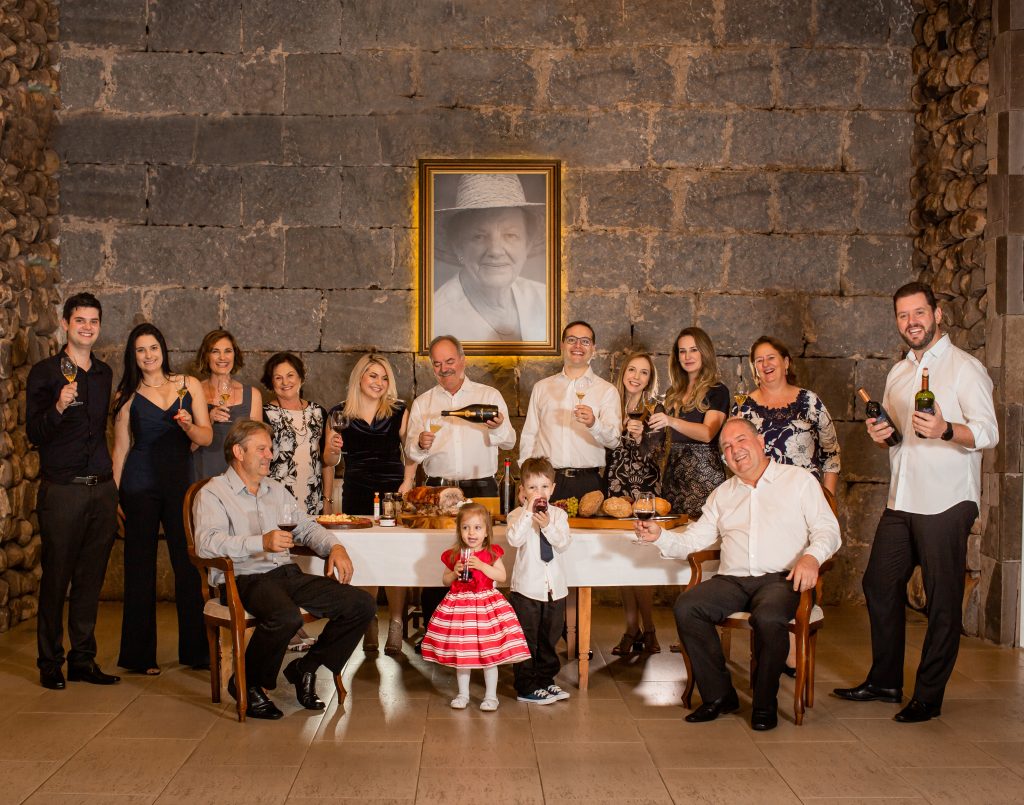
That means expertise, with a particular focus on manual techniques and careful winemaking. In that regard, being a family winery has its advantages. Know-how, as well as property, can be passed down through the generations.
“We place great importance on integrating the knowledge and legacy of my uncle João Valduga, our first winemaker, with new ideas, techniques and perspectives, ensuring continuity while allowing our style to evolve in a contemporary and forward looking manner,” says Eduardo.
International renown
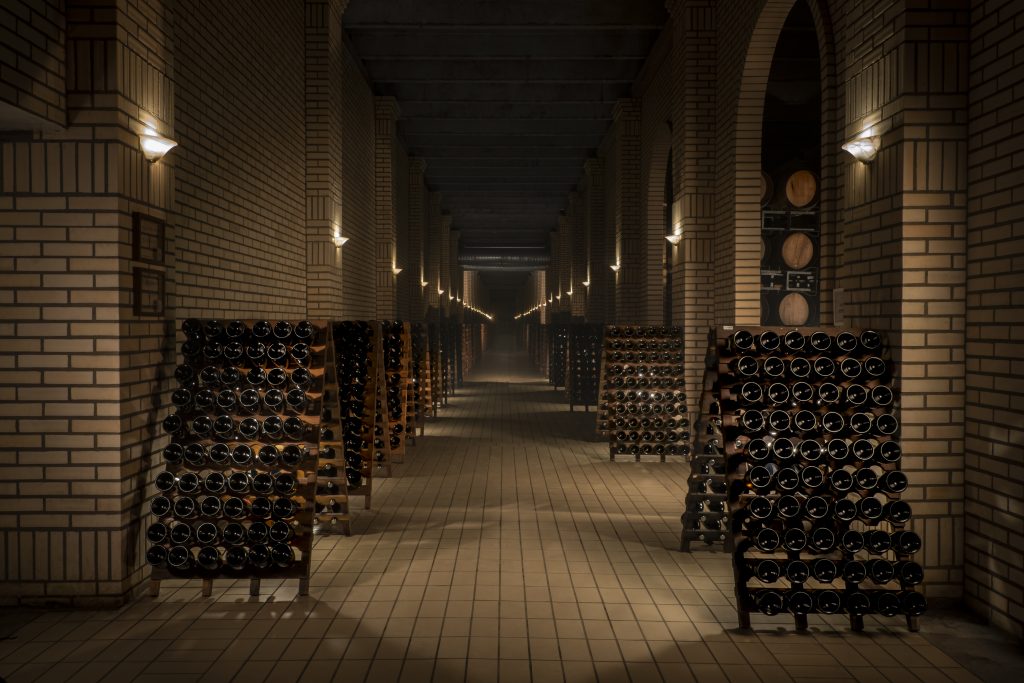
Casa Valduga has achieved particular success with its traditional method sparkling wines. These are deeply rooted in the family’s traditions. They may be labour and time-intensive, but they result in complexity and finesse.
“Our house style is centred on elegance, freshness and balance,” Eduardo explains, “expressed through a modern and approachable profile. In our sparkling wines, we seek fine and persistent bubbles, vibrant acidity and layered complexity, complemented by a natural expression of tropical fruit. The wines are harmonious, combining roundness with freshness and precision.”
Moreover, with generations of expertise behind Casa Valduga, the winery has established the styles and varieties best suited to its terroir.
Eduardo places a particular focus on Chardonnay: “The success of our 130 Blanc de Blanc is a clear reflection of this philosophy and highlights the distinctive character of Brazilian Chardonnay, which stands out for its natural acidity, texture and ability to unite richness with tension, both in sparkling wines and in refined still whites.”
The family’s expertise means that the winery has gained more than 1300 awards across its portfolio, becoming one of Brazil’s most-garlanded wineries.
Recently, it has also embraced oenotourism. The nearby town of Bento Gonçalves is known as Brazil’s wine tourism capital, and Casa Valduga has become one of its great attractions: the complex offers technical tours, accommodation, gastronomy, and sensory experiences.
Whether through international awards, welcoming visitors or importers like Enotria, Casa Valduga is now one of the foremost ambassadors for Brazilian wine in the wider world. It won over db judges at recent competitions, whose tasting notes we publish below. No doubt, it will soon be winning over even more consumers around the world.
Casa Valduga 130 Blanc de Blanc NV
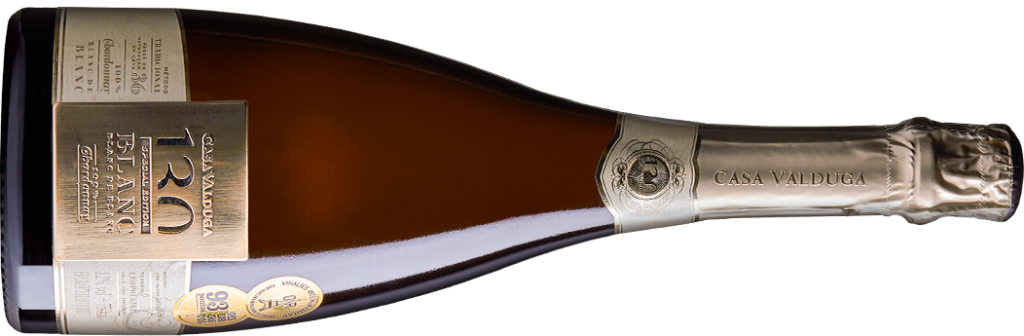
- Grape variety: 100% Chardonnay
- ABV: 12.5%
- Residual sugar: 9.5g/l
- Approx. retail price: £40
- Medal: Gold – The Global Chardonnay Masters 2025
A fine yet powerfully-flavoured sparkling wine with layers of ripe citrus, along with peach and pear-like characters, allied to lingering notes of toasted bread and hazelnuts, which emerge on its refreshing yet soft finish. (Patrick Schmitt MW)
Casa Valduga Terroir Exclusivo Riesling Renano 2023
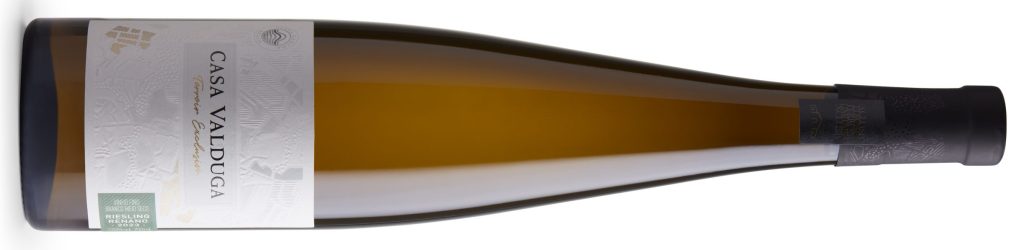
- Grape variety: 100% Riesling
- ABV: 13.0%
- Residual sugar: 9.5g/l
- Approx. retail price: £55.00
- Medal: Gold – The Global Riesling Masters 2025
In 1875 the Valduga family emigrated from Rovereto (Trentino-Alto Adige) to Brazil (Rio Grande do Sul), where, ever since, they have produced a vast range of high-quality red and white wines. This Riesling was a fascinating discovery for the judges. Pale lemon-yellow in colour, the delicate aromatics are fairly overt with orchard fruits accented by forest honey and an earthy mineral nuance. With definite sweetness framed by a pleasant acid lift, the mid-weight palate has undertones of lemon-lime, tangerine and herbs. Pair with cod steamed with white wine, lemon zest and pimento-stuffed green olives. (Patricia Stefanowicz MW)
Casa Valduga Terroir Chardonnay 2024
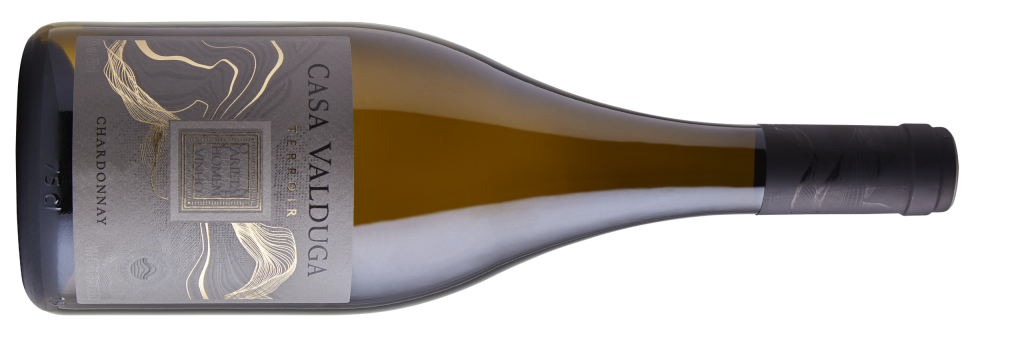
- Grape variety: 100% Chardonnay
- ABV: 13.0%
- Residual sugar: 2.5g/l
- Approx. retail price: £24.00
- Medal: Silver – The Global Chardonnay Masters 2025
A deliciously fruity Chardonnay with plenty of appealing fruit salad-like flavours, from apple and pear to peach and pink grapefruit, along with a complementary note of cashew. The finish is bright, but not hard, with a lingering and mouth-watering touch of bitter pith and tangy citrus. (Patrick Schmitt MW)
Ponto Nero Live Zero NV
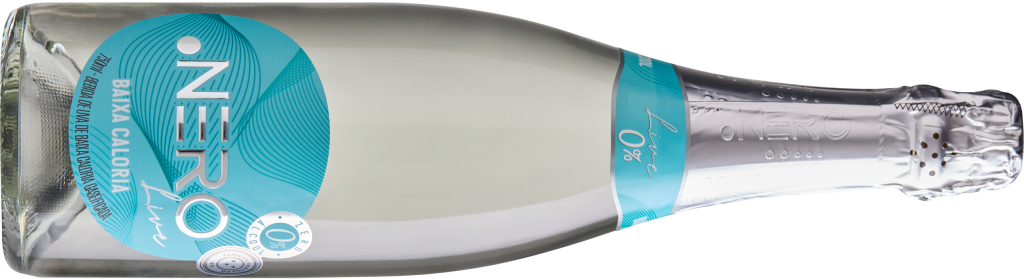
- Grape variety: 100% Moscato
- ABV: 0.0%
- Residual sugar: 61.25g/l
- Approx. retail price: £5.50
- Medal: Gold – The Global Low & No Alcohol Wine Masters 2025
Located in the Vale des Vinhedos in Brazil, Ponto Nero is well-regarded for its espumantes, and this non-alcoholic example gives a reason to agree wholeheartedly. Made from Moscato using the Charmat method to preserve freshness and fruitiness, the wine is almost water-white in hue and gently fizzy. Medium-sweet and light-bodied, the flavours are reminiscent of white cherry, white peach and pear, supported by lively acidity and a subtle, creamy mousse texture. Light and easy in style, this works well with pear tart. (Patricia Stefanowicz MW)
Related news
Cono Sur shows off terroir-led range
All the medallists from the Bordeaux Masters 2026
Black Odesa: Felix Hart goes viral in Peter Stafford-Bow's new wine novel


