



US spirits bankruptcies pile pressure on bar menus
A wave of US distillery bankruptcies is pushing restaurants and bars to reassess cocktail menus, supplier exposure and contract flexibility, according to new analysis from OysterLink.
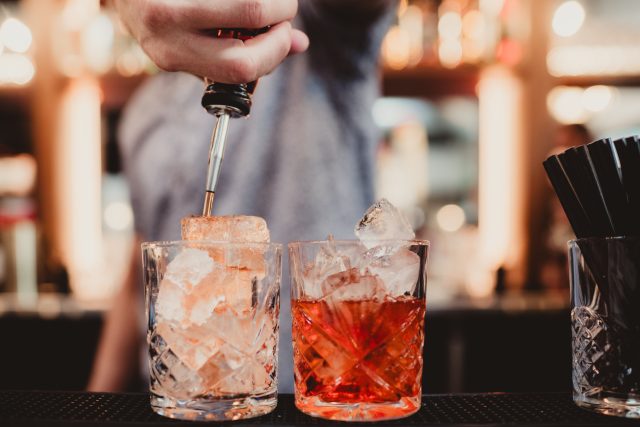
A growing list of American distillery bankruptcies in 2025 is reshaping how bars and restaurants manage liquor programmes and supplier risk. New filings, combined with falling consumption and shrinking exports, point to a structural shift rather than a short-term disruption, says hospitality jobs and insights platform OysterLink.
The platform’s analysis shows that bankruptcies are having direct downstream effects on cocktail menus, distributor contracts and guest expectations, forcing operators to rethink how they source, price and position alcohol.
A rising number of filings
Several US spirits producers filed for Chapter 11 protection in 2025, including:
- A.M. Scott Distillery (Ohio) – December 2025
- Dented Brick Distillery (Utah) – July 2025
- Devils River Distillery LLC (Texas) – May 2025
- JJ Pfister Distilling Co. (California) – May 2025
- House Spirits Distillery LLC (Oregon, Westward Whiskey) – April 2025
- Boston Harbor Distillery (Massachusetts) – March 2025
These filings came as US spirits supplier sales slipped from $37.7bn in 2023 to $37.2bn in 2024 — a 4% decline when adjusted for inflation, according to the Distilled Spirits Council of the United States.
Pressures mount on distillers
OysterLink notes that multiple pressures are converging at once. Americans are drinking less: only 54% of US adults now report consuming alcohol, the lowest level Gallup has recorded in nearly 90 years.
Exports are also falling. US spirits exports dropped 9% year on year, with double-digit declines in American whiskey (-13%), vodka (-14%), brandy (-12%) and cordials (-15%). American whiskey inventories have tripled since 2012, reaching nearly 1.5 billion proof gallons by the end of 2024.
Craft spirits are contracting as well. The number of active US craft distillers fell to 2,282, while employment in the sector declined for the first time since the pandemic, dropping to 28,628 workers, according to the American Craft Spirits Association.
Trade tensions have added further strain. Retaliatory tariffs, particularly in Canada where exports briefly fell 85%, reduced international demand and left producers exposed to excess inventory and tightening cash flow.
Partner Content

Impact on restaurants and bars
When a spirits brand collapses, the fallout stretches beyond missing bottles on the back bar. Cocktail menus must be reworked when default pours disappear, distributor contracts may change with minimal notice, and guests more often hear: “We no longer carry that” — which affects ordering behaviour and brand trust.
“A single spirits bankruptcy can disrupt dozens of menu items across a restaurant group, especially when that brand is embedded as a standard pour,” said Milos Eric, co-founder and general manager of OysterLink. “Operators who treat liquor sourcing as static are now exposed to unnecessary risk.”
Recommended actions for operators
OysterLink outlines four steps for restaurants and bars:
1. Audit menus for brand dependency
Operators should identify default pours, high-volume cocktails and signature serves that rely on a single distillery. Testing substitutions in advance allows swaps without retraining staff, reprinting menus or changing pricing. The goal, says OysterLink, is menu continuity even if a supplier exits.
2. Diversify suppliers, not just distributors
Working with multiple distributors may not reduce risk if those distributors carry the same vulnerable producers. Bars should map distilleries behind top-selling SKUs and confirm backup producers are approved, available and priced.
3. Renegotiate contracts with flexibility clauses
Pouring agreements should allow equivalent replacements without penalties if a producer halts production or files for bankruptcy. Flexibility clauses can prevent sudden cost increases and last-minute menu changes.
4. Track category risk, not just pricing
OysterLink warns that categories such as American whiskey and craft spirits face sustained pressure from falling consumption, export declines and record inventories. It says operators should balance these with lower-risk or growing segments such as ready-to-drink cocktails, lower-ABV spirits and versatile base liquids with broader supplier support.
A wider shift in behaviour
The challenges for spirits producers mirror broader consumer trends toward moderation, health awareness and selective spending. For restaurants, the lesson is that alcohol programmes now require contingency planning similar to food supply chains.
“This isn’t about panic — it’s about preparation,” Eric added. “Restaurants that adapt their sourcing strategy now will be far better positioned if more suppliers exit the market.”
Related news
What drinks legislation would you change?
Bacardi promotes senior executives in regional leadership reshuffle


