



Henkell Freixenet CEO looks back on 2025
Dr. Andreas Brokemper, CEO of Henkell Freixenet, speaks to Amelie Maurice-Jones about navigating a mixed global drinks market in 2025: strong performances in Prosecco, Crémant and the no-alcohol category helped offset wider economic and regulatory challenges. Going forward, he’s positive that as economic crises lessen, sparkling wine consumption will grow.
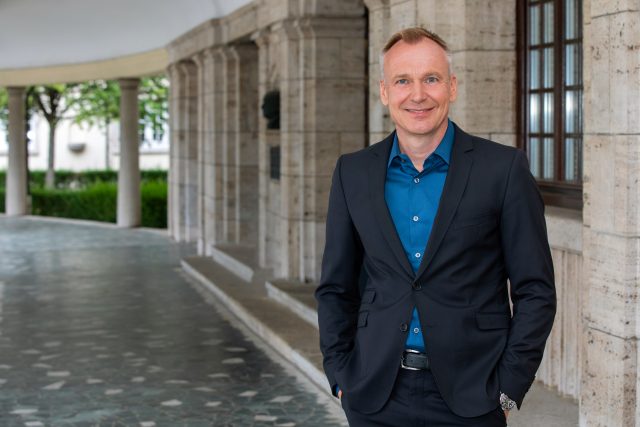
“Some markets are in slight decline, some are stable, some categories are growing” Henkell Freixenet CEO Andreas Brokemper tells the drinks business, looking back at the German sparkling wine giant’s performance in 2025. “We see three categories so far which show some nice gross numbers. One is Prosecco. In the first half of the year, which was up 3.6%. We were more up on Mionetto and Freixenet as well, with I Heart Prosecco. So, we outperformed the market.”
Crémant has also emerged as a bright spot, with the group’s Loire-based winery, Gratien & Meyer, preparing to ramp up production after flagging strong double-digit growth in the first half of 2025.
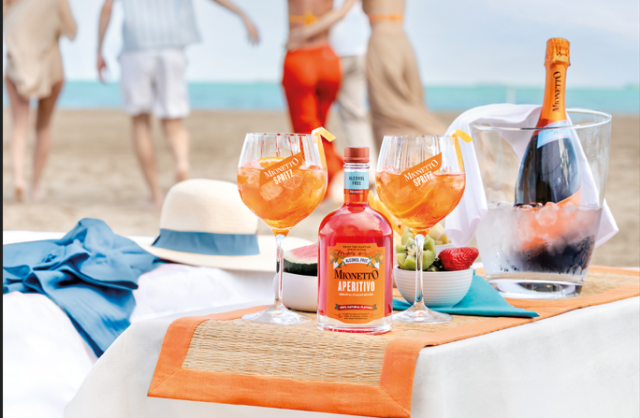
Sparkling wine consumption habits are also evolving. “We share the argument that the transition from a very much celebrational consumption into a more day-to-day consumption is happening,” says Brokemper, pointing to the global Aperitivo trend and the continued popularity of Spritz-style serves.
Low and no success
At the same time, Henkell Freixenet is benefiting from growing demand for low and no alcohol alternatives, mirroring its core brands with non-alcoholic offerings. “There we see a strong double digit growth, which supports the overall picture in the market that health plays an important role,” adds Brokemper, with 17.5m Brits currently joining in with Dry January, according to stats from Alcohol Change UK.
Despite the momentum, Brokemper acknowledges that health-related messaging has created obstacles for the category. He says consumers’ health concerns have been a “key challenge”, adding: “[It’s] supported a lot by publications on different levels, which, many are not evidence based and become very emotional.” Nevertheless, he describes the group’s investment in non-alcoholic sparkling wine as one of its biggest achievements of 2025.
In 2024, Henkell Freixenet saw 23.6% growth in its booze-free bottles, including its Mionetto 0.0%, Freixenet 0.0% and Mionetto Aperitivo range – the latter launched at ProWein in a bid to expand into the Aperitivo market.
“We really pushed up, started to become faster, did more innovation and worked hard on improving the quality of our non-alcoholic sparkling wines,” says Brokemper.
Tariff woes
Trade policy has proved a major headwind, particularly in the US. “In the beginning of the year there were uncertainties. When Trump announced he would increase tariffs to 200%, everybody was shocked, and nobody knew what would be the direction in the end. April started with 10% tariffs, and the increase came in July to 15%, and in parallel to that, we now have a much weaker dollar.”
According to Brokemper, the impact has been twofold: “ tariffs we need to pay, and that the US dollar lost value when we import our products – predominately Prosecco and Cava from Europe – another pressure on pricing on the market.”
He adds that tariffs have led to “significantly more cautious inventory management,” particularly outside Europe. “It’s destocking, meaning customers all over the world, especially distributors in the US, are very cautious on ordering product.”
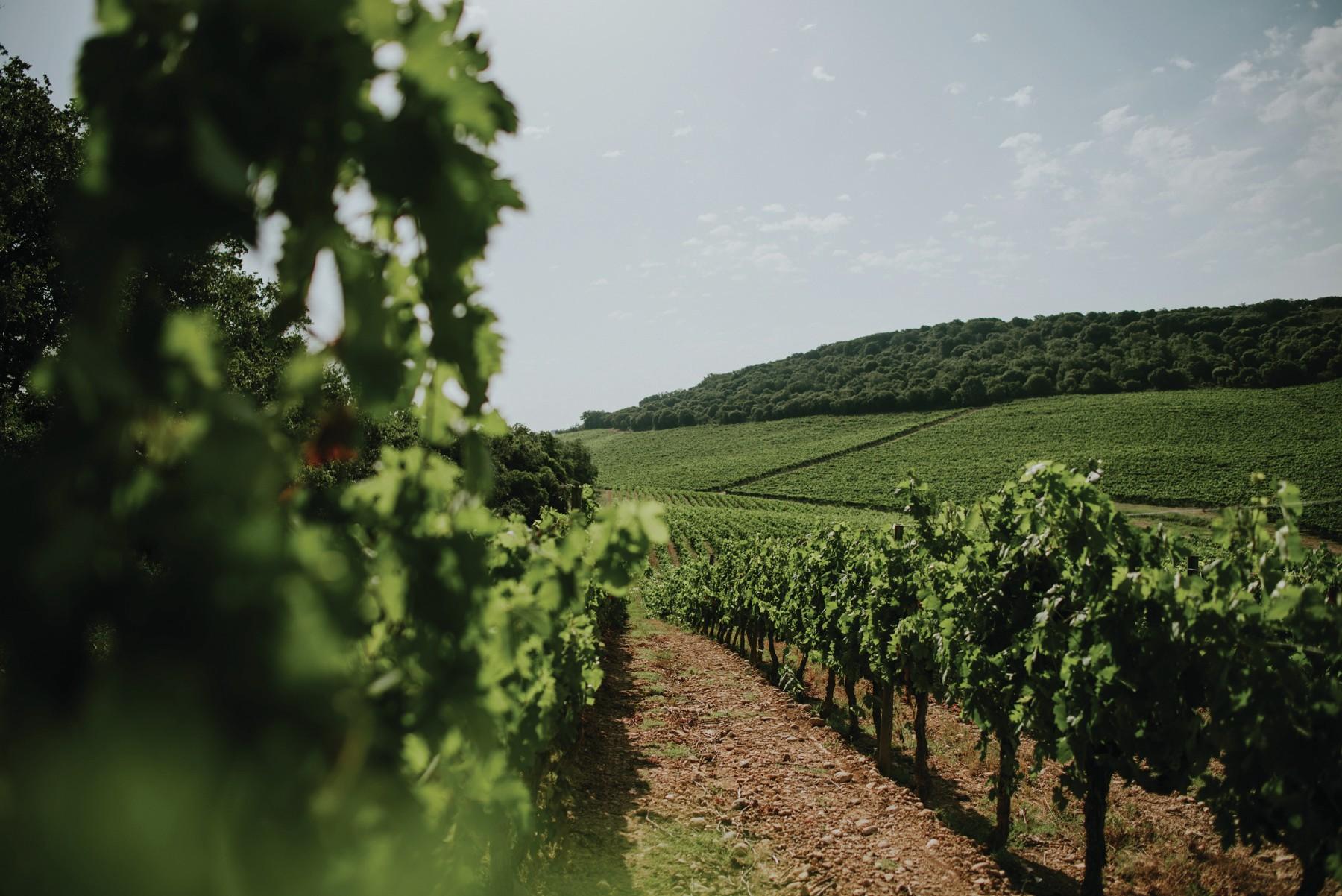
Supply constraints have further complicated matters, with the prolific three-year Cava drought, which forced Freixenet to furlough 80% of its Catalonian workers in 2024, continuing to impact availability. On the bright side, rainfall led to a better harvest in 2025, but it still fell below the 10 year average.
Partner Content


“This meant tremendous price increases on Cava grapes, Cava wine and the products,” explains Brokemper. “When you have to increase prices, there’s always an effect on consumption.”
Big win
Amid the challenges, Brokemper highlights a major strategic win: “The biggest achievement has been the distribution and selling agreement that we found with one of the leading sparkling wine brands in the US, Korbel.”
Korbel Champagne Cellars, founded in Russian River Valley in 1882, is a historic producer of traditional method sparkling wine in California. Its partnership with Henkell Freixenet kicked off in June 2025. At the time, Brokemper said: “This collaboration represents a great enhancement to our sparkling wine portfolio.”
Reflecting on the partnership now, he adds: “We were very happy this year when Gary Hack, the owner of Korbel, entrusted us, as leaders in the sparkling wine category, to use our global expertise on different sparkling brands to distribute his brands, too.”
Global markets
Looking ahead, Brokemper points to growth opportunities across multiple regions. “South America is a market we’ve served for many years, especially with Freixenet but also with our Mionetto brand. We now see great opportunities for further growth of these international brands, especially in Mexico and Brazil.” He notes that new business units have opened in Uruguay and Argentina, creating potential for premium imported products.
Asia, meanwhile, requires a more nuanced strategy. “Our strongest market in Asia is historically Japan where we see stable development over time,” he says. “It’s a big Cava market – Freixenet is one of the leading brands in the market, so it’s one of the key opportunities.”
Elsewhere in the region, progress is slower. “China, Taiwan, South Korea… all these countries in the last years have not been so easy, especially in China where consumption has decreased. Starting celebrations with sparkling has come to these markets, but it’s not a matter of quarters or years, but a matter of decades.” Africa, he adds, remains a “small but growing business”.
Looking ahead
He identifies innovation, particularly in alcohol-free production, as an area for improvement. “We always try to improve on innovations, especially the technologies on making non-alcoholic wines,” says the CEO, “but I believe in 10 to 20 years, we might find ways of doing non-alcoholic wines which are much superior to that which you have today.”
Still, worries linger. “The concern today is, will there be a further decline in alcoholic consumption?” Brokemper believes sparkling wine remains a key economic indicator. “It measures the mood of the population. Consumption grows when people are happy, but declines when they are unhappy, maybe with the uncertainties of the economic situation.”
Ending on an optimistic note, he adds: “I’m positive that the economic crisis we are currently experiencing will get less. The uncertainties will reduce, and then consumption celebration will come back.”
Related news
Imported beer could 'disappear' from Russian retail
Double Dutch: ‘Taiwan’s tonic comeback is the perfect moment to reimagine the G&T’


