



UK Prime Minister concedes pubs will ‘struggle’ following tax hikes
Sir Keir Starmer concedes some venues will “struggle” as Covid-era relief unwinds and revaluation reshapes bills from April 2026. New analysis suggests the smallest hospitality businesses face a £318m rise over three years, sharpening a familiar tension between policy intent and pub reality.
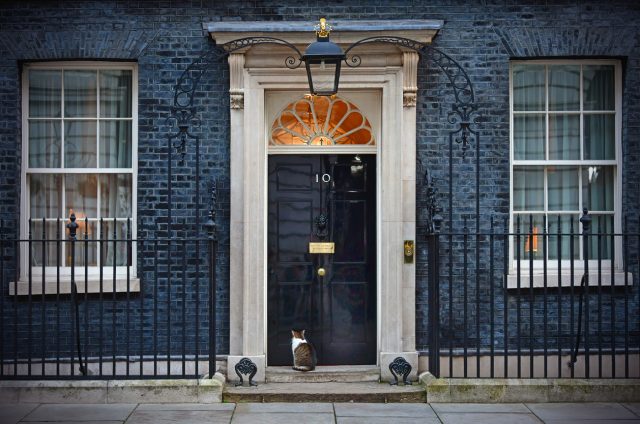
Asked whether he had been banned from his local, Sir Keir Starmer chose instead to talk about rates. Speaking to GB News, the Prime Minister said the government was working with hospitality as Covid reductions come to an end, adding that “the overall rating levels is going down” while accepting that revaluation means pubs and others “will struggle in relation to the business rates applicable to them”. He said ministers would work with the sector to put in place other measures to reduce the added tax burden.
The message was echoed on LBC this week. Sir Keir accepted that reductions put in place during Covid were always going to be unwound and that, while overall rates are set to be lower at some point, revaluation means some bills will rise.
The numbers that make landlords wince
New analysis from UKHospitality, published in December 2025, puts a sharper edge on that acknowledgement. According to the trade body, small hospitality venues will see business rates bills rise by £318m over three years, more than half the £634m annual spend on Small Business Saturday.
Properties with a rateable value below £51,000 face increases of £38.6m in 2026 to 27, up 13%, £110.6m in 2027 to 28, up 38%, and £168.5m in 2028 to 29, up 58%. Even with a reduced multiplier, business rates would increase by 76% for the average pub and 115% for the average hotel over three years, compared with 16% for distribution warehouses and 4% for large supermarkets.
In a letter to all MPs, UKHospitality said the outcome runs counter to the manifesto commitment to level the playing field between the high street and online giants and corrects claims that the Budget delivered reduced taxes for hospitality, according to the letter.
What revaluation actually does
For those seeing increases, the government points to a £4.3bn support package over three years, including £3.2bn in transitional relief, a Supporting Small Business scheme worth over £500m and an expansion of support for those previously eligible for Retail, Hospitality and Leisure relief. The package also introduces permanently lower tax rates for eligible properties from April 2026, funded by a higher rate on properties with rateable values of £500,000 and above.
However, UKHospitality is urging ministers to increase the hospitality discount to the full 20p permitted in legislation or to delay revaluation levels and freeze them at 2023 values. Allen Simpson, chief executive of UKHospitality, said the policy risks business closures, job losses and price increases accelerating, adding that “every single high street is going to feel a massive hit” if venues close.
Partner Content



In his letter to MPs, Simpson wrote that far from a tax cut, the changes amount to an unprecedented tax rise that harms hospitality while protecting online giants and supermarkets. Without intervention, he warned of reduced investment and a contraction in youth employment.
Pints as a unit of pain
As reported by the drinks business on 27 November 2025, Access Hospitality managing director Champa Magesh warned that the Autumn Budget leaves the sector exposed to higher wage bills, frozen thresholds and further cost pressures. According to Access Hospitality’s calculations, rising minimum wage rates will add £1.4bn in costs next year and, with a typical profit of 13p per pint, venues would need to sell an additional 29.5 million pints a day to absorb the increase if relying on drink sales alone.
Magesh said the Budget presents significant challenges despite limited short term relief and that the measures make it harder for businesses to grow, invest and stay open as customers face tighter household budgets.
Rates reform helps but does not cure
The Budget confirmed permanently lower business rates for over 750,000 UK businesses and higher rates for high-value properties. Magesh said the reforms offer immediate cash flow relief and support for high streets but do not offset higher labour, property and tax costs. Kate Nicholls, chair of UKHospitality, said the new multiplier marks progress but that hospitality remains under significant cost pressure and needs further reductions across the rest of the parliament, as per her comments.
From April 2026, the living wage for workers aged 21 and over rises by 50p to £12.71 an hour, a 4.1% increase, with higher rates for younger workers. According to Access Hospitality, these changes add £1.4bn in labour costs. Magesh said the uplift is positive for employees but significant for smaller venues and those with large part-time workforces, with some operators likely to cut staff or trading hours.
Duty and a new levy complicate the picture
Budget documents say alcohol duty receipts are expected to reach £12bn next year, down 5.1% on 2024 to 25, after a 3.6% rise on non-draught alcohol in February 2025. As reported by the drinks business, alcohol duty will rise again with RPI from 1 February 2026. Miles Beale, chief executive of the WSTA, called the move disappointing and shortsighted, while Mark Kent, chief executive of the SWA, said it adds pressure to a sector facing job losses and closures, adding that the previous 3.65% rise reduced spirits revenue by 7%, or £150m to the Treasury.
The Budget also introduced a tourist tax in England, allowing mayors to set a levy of up to £2 per night. London mayor Sadiq Khan has estimated annual receipts of £200m to £240m based on 89 million overnight stays in 2024. Magesh said the measure risks denting domestic tourism when many venues depend on local visitors.
Nights get dearer
A flash poll of 345 nightlife operators found nearly half expect business rates to rise by 50% or more, with running costs 30 to 40% higher than in 2020 due to wage increases, national insurance changes, alcohol duty and revaluation. Michael Kill, chief executive of the Night Time Industries Association, said transitional relief will help but is temporary and that revaluation has pushed many city clubs into higher multipliers, forcing difficult decisions on staffing, pricing and opening hours.
Related news
Hospitality insolvencies hit 3,353 in 2025
Pubs welcome business rates U-turn, but hospitality warns it doesn’t go far enough
Inside Desa Potato Head: How Bali’s creative hub is reshaping wine hospitality


