



UK hospitality faces rates reset and wage rises
Pubs, bars and restaurants enter 2026 with labour costs rising, business rates revalued and alcohol duty increasing. A House of Lords debate today will put government policy and its side effects on staffing and prices under the spotlight.
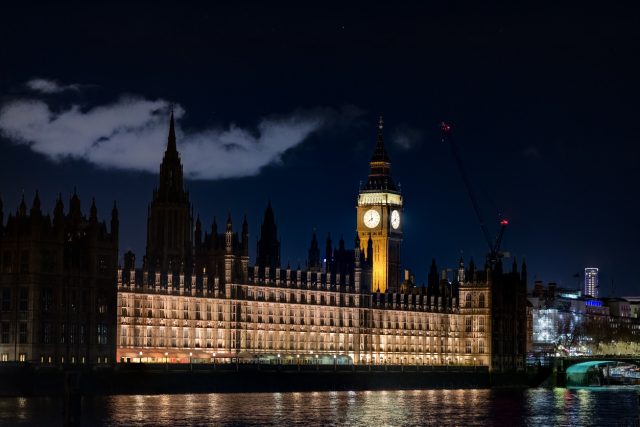
Today (22 January), the House of Lords is scheduled to debate a motion tabled by Baroness Monckton of Dallington Forest on the impact of government policy on the retail and hospitality sector. The timing matters for licensed venues because several of the biggest cost levers take effect this spring, while alcohol duty is due to be uprated with the retail price index on 1 February 2026.
Hospitality, defined in the briefing as accommodation and food services including restaurants, cafes, pubs, bars, catering and hotels, totalled 176,685 businesses in the UK in 2025, according to the briefing documents. It also says 99.6% of hospitality businesses are small or medium-sized enterprises and 97.7% are small businesses.
For pubs specifically, the British Beer and Pub Association has tracked a long decline over 25 years, with 60,800 pubs in 2000, 55,400 in 2010, 46,850 in 2020 and 45,000 in 2024.
Jobs, pay and vacancies that shape the bar rota
Hospitality supported 2.6 million jobs in September 2025, around 7% of all jobs. The report adds that there were about 2.1 million payrolled employees in November 2025, down by roughly 59,000 from November 2024.
Recruitment pressure has not vanished either. Between September and November 2025, there were 77,000 vacancies in accommodation and food services, or three vacancies per 100 workers, versus 2.3 across all industries. On pay, the briefing puts median hourly pay for full-time hospitality workers in April 2025 at £14.04 excluding overtime, compared with £19.67 for all full-time UK workers.
Business rates reform and why pubs are watching April closely
Business rates relief for retail, hospitality and leisure businesses is set at 40% for 2025 to 26 and capped at £110,000. The next business rates revaluation is due in April 2026 and will be based on 2024 property values, as per the briefing.
Partner Content


The Chancellor’s November 2025 budget set out a plan to rebalance business rates in England. The Treasury said it would reduce the multiplier for every business and go further for retail, hospitality and leisure properties, with the tax rate for small retail, hospitality and leisure properties falling by nearly 12% next year, and for other properties below £500,000, the Treasury described a 12.5% cut.
The Treasury also argued the change was worth nearly £900 million per year and would benefit over 750,000 retail, hospitality and leisure properties. It said the new rates would be permanent and funded by higher rates on the top 1% of the most valuable properties, with large distribution warehouses expected to pay about £100 million in 2026 to 27.
However, the same briefing reports that the Treasury accepted the rate cuts would not fully offset the post Covid valuation uplift and the ending of temporary relief. It set out protections, including transitional relief caps and additional caps for businesses losing eligibility for small business rates relief or losing retail, hospitality and leisure relief. The Treasury said those caps represented £1.3 billion of support for over 200,000 retail, hospitality and leisure properties, including independent pubs and family-owned grocers, as per the briefing.
Some tax experts have questioned the rationale for targeted relief. Speaking to the drinks business, Marvin Rust, MD and EMEA tax practice leader at Alvarez & Marsal, said, “Targeted support for pubs is understandable, but the tax logic doesn’t stop there. Hotels, restaurants and cafés exposed to the same revaluation shock, the same withdrawal of Covid-era reliefs, and the same structural flaws in the business rates system.”
He continued, “With the distinction between pubs and restaurants increasingly blurred, particularly as many operate as gastro-led venues, relief needs to reflect the reality of the wider hospitality and leisure ecosystem, not just one part of it. If rates are meant to tax property rather than punish trading performance, it’s hard to justify relief for one part of hospitality while leaving the rest to absorb material increases overnight.”
Trading hours cutbacks
The government briefing also records a stark pub-specific calculation from the Treasury: the pubs sector’s rateable values would rise by 30% and the loss of temporary relief would have pushed total bills up by 45% but with interventions, the sector’s total bill would rise by 4% next year.
Operators say the lived experience is already narrowing opening hours. As reported by the drinks business on 14 January 2026, a British Beer and Pub Association survey found 47% of pub owners reduced their opening hours on trading days between April and October last year. The same report says one in seven pub owners were closed entirely on some days and almost two-thirds had cut staff hours.
Related news
Pubs welcome business rates U-turn, but hospitality warns it doesn’t go far enough
Inside Desa Potato Head: How Bali’s creative hub is reshaping wine hospitality
Festive trading boosts hospitality, but profits still squeezed


