



The worst places to store wine at home
From the top of the fridge to the back of the garage, many homes unwittingly subject wine to conditions that hasten its decline. In the first of a two-part series, two experts explain to db where bottles suffer most and why good intentions so often end in disappointment.
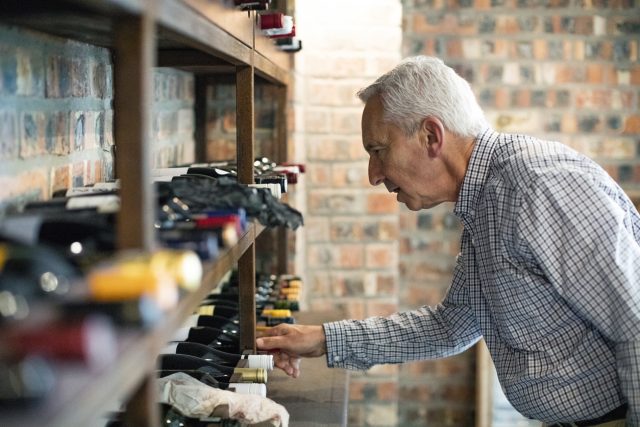
Wine is a living thing, so says Robb Denomme, founder and CEO of Genuwine Cellars, and like any living thing, it prefers comfort over drama. “Temperature, light and vibration all affect how it ages. Store it incorrectly, and you’re essentially cooking or shaking the life out of it,” he says.
Barbara Drew MW, content officer at Berry Bros. & Rudd, finds the same errors repeated in British homes. “A lot of people tell me they store wine in the kitchen, which is generally inadvisable unless it’s in a specialist wine fridge,” she told the drinks business. “Worse, though, is the garage. Huge temperature fluctuations will age your wine very quickly, so somewhere which is very cold in winter and gets very warm during the day is really not ideal for storing wine.”
The single worst place in most homes
For Denomme, the most damaging location is not the garage but the top of the refrigerator. “The top of the refrigerator checks every box for bad wine storage,” he explains. “You’ve got heat rising from the compressor, temperature swings every time the fridge cycles on and off, exposure to kitchen lighting and constant vibration from the motor. It sets the ideal conditions for ruining wine.”
Heat is particularly destructive. Even a few degrees above the ideal storage temperature of 55°F, around 13°C, can accelerate ageing and push wine towards cooked flavours. Constant vibration disrupts sediment and interferes with the chemical processes that govern maturation. Add light exposure and the risk of light strike, a fault that gives wine unpleasant aromas, and the result is a domestic hazard zone in plain sight.
Garages and the peril of temperature swings
Both experts agree that garages are deeply unsuitable. As per Drew, the sharp contrast between winter cold and summer heat causes wine to age too quickly and unpredictably. Denomme elaborates. “Garages get too hot in summer and too cold in winter. Dramatic temperature swings cause the wine to expand and contract, which can push the cork out or let air seep in.”
Partner Content


Windows, speakers and misplaced faith
Sunlight presents another quiet threat. Near windows, even indirect light can raise bottle temperatures enough to damage wine over time, according to Denomme. Ultraviolet rays penetrate glass and degrade the wine’s delicate compounds, leading to premature ageing and off flavours.
Then there is vibration. Bottles placed near speakers or subwoofers endure a constant low-level tremor. “Vibration keeps sediment in suspension and can disrupt the chemical processes that allow wine to develop complexity,” Denomme explains. This is especially harmful for wines intended for long ageing, which benefit from long spells of undisturbed rest.
Why movement, light and heat matter
Drew sums up wine’s simple demands. Wine dislikes heat, light and movement. “Perfect storage is somewhere moderately cool, dark and somewhere it won’t be disturbed or moved about,” she says. “A mini cellar which backs onto your washing machine is no good at all. And you must resist the temptation to keep checking on your bottles. Every time you pick them up or move them about, you disturb their slumber.”
Wine, like teenagers, resents being woken.
In part two of this series, the focus will turn to the places where wine can truly thrive, from smart domestic solutions to professional storage that offers peace of mind along with perfect conditions. Watch this space.
Related news
Georgia to auction Stalin’s 40,000-bottle wine collection



Constance of temperature, humidity and location. Simple.
My wine cellar all is constant at 16 degrees.
I keep mine under the stairs in darkness