



‘The South Asian diaspora are tough judges’ says Maharaja Drinks CEO
The newly appointed CEO of Maharaja, the UK-based retailer of exclusively Indian wines, beers and spirits, tells Sarah Neish why “culturally curious, food-led drinkers” will drive growth in 2026, and how south Asian consumers can be a tough nut to crack “but that is a positive”.
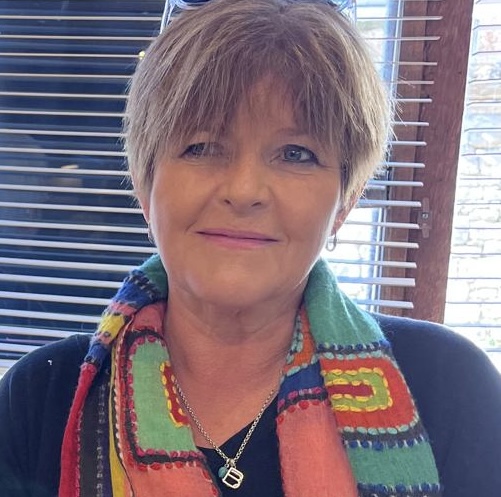
Maharaja Drinks is embarking on an exciting new chapter. Founded in 2023 with a mission to raise the profile of exceptional Indian drinks in the UK, the retailer, which offers Indian wines, beers and craft spirits, as well as alcohol-free canned mocktails, announced last week that it has appointed Annabel Jamieson to take the company forward.
Previously Head of Digital Growth for the firm, Jamieson’s immediate priorities are “UK expansion, brand partnerships and innovation.”
Speaking exclusively to the drinks business, Maharaja’s new CEO said she was “extremely optimistic about 2026” due to a “growing appetite for distinctive, authentic Indian drinks.”
Make no mistake, there is no “novelty factor” involved in the category.
“I would like consumers to be properly informed about Indian drinks and to understand that they are not new to the global stage,” she told db. “There is a diverse and established landscape of wine, spirits and beer that offers genuine quality for discerning drinkers. I would love to see Indian drinks become part of everyday life, enjoyed with a simple dinner at home on a Tuesday evening.”
Compare, learn and return
In the two years since its launch, Maharaja Drinks has become a specialist destination for premium Indian beverages, using a digital-first model “that allows customers to explore rather than simply buy a single ‘novelty’ bottle,” explains Jamieson.
“That distinction matters, because new brands only grow when people can compare, learn, and return with confidence.”
She points out that Indian single malts, gins and sparkling wines are gaining recognition at pace, “and are increasingly being poured in settings where guests can taste first, ask questions, and then make informed purchasing decisions.”
Indeed, Jamieson pinpoints Indian single malts and gins as being the most “visibly innovative category at present”, as producers become increasingly confident and precise in their approach to maturation in warmer climates. Alongside whiskies made by Paul John, Rampur, Amrut and Indri, a host of Indian gin makers feature on Maharaja’s books. Try Jin Jiji Darjeeling Gin, Hapusa or Broken Bat, for starters.
Aromatic whites
“Wine is a quieter but rapidly accelerating story,” Jamieson said. “India’s leading wineries are learning how to build freshness and balance in challenging conditions, and sparkling wines in particular offer a very convincing entry point for UK consumers. We are also seeing exciting progress in aromatic white wines, where texture and brightness pair beautifully with food.”
Wines championed by Maharaja Drinks include Charosa Selection Chenin Blanc, made in the region of Nashik, Maharashtra, and boasting notes of green apple, guava and mandarin. And a wine made from Sicilian grape Grillo, which has been found to adapt well to the Indian climate and terroir. The medium-bodied Reveilo Grillo has a bouquet of citrus, lemon, orange and grapefruit with crisp acidity and a long mineral after taste.
As for beer, Jamieson says the category is “still developing” beyond the eponymous Cobra and Tiger brands. Maharaja’s Indian craft beers, ciders and meads include the likes of White Rhino Pale Ale, and Maka di Bavarian Keller Lager.
Partner Content

Who is buying Indian drinks?
According to Jamieson, Maharaja Drinks’ audience is primarily made up of two demographic groups.
“The first is culturally curious, food led drinkers, who love to travel, typically aged 25–45, who enjoy discovering new drinks either because they pair well with food or because the brand story is compelling,” she said. “They are happy to be guided when the narrative is specific and the quality is clear. These are the people who will confidently order something they have never tried before.”
The second group is the South Asian diaspora and their wider social circles. “They tend to be discerning and, frankly, quite tough judges — but that is a positive,” Jamieson said. “Indian drinks resonate strongly with them as they represent heritage, quality and something they are proud to share and discuss.”
While the majority of Maharaja’s sales currently come from the off-trade, Jamieson notes that “we are beginning to receive more on-trade enquiries and are keen to see how those relationships develop. We view on-trade partnerships as an important part of our longer term growth strategy.”
High-trust moments
Brand partnerships, too, are a key part of the plan this year as a way of “widening access to Indian drinks without diluting what makes them special.”
“We want to align with brands that share our values: craftsmanship, sustainability and honest storytelling. These may include hospitality groups, premium food and snack brands, and experience led businesses,” explains Jamieson. Partnerships, which create “high-trust moments where consumers can learn about Indian drinks and try an Indian bottle for the first time.”
Maharaja encourages producers to pursue organic certification, sustainable production methods and environmentally-friendly manufacturing, packaging, with the company founders, father and son team Ipe and Adam Jacob, insisting they regularly visit India to meet with their producers, carry out tastings, and tour their facilities and plantations.
Unique business model
The ethical MO appears to extend to producers, employees and consumers alike.
Maharaja Drinks donates 1% of all sales value to charities that benefit people working for its producers and suppliers in India. “Without their incredible efforts, our drinks cabinets would be far less enticing,” Ipe Jacob has said.
A further 1% of sales value is “divided equally between all staff”, excluding directors and shareholders. Finally, if a consumer buys 100 units of Maharaja products, the company gives them one unit for free, which Jacob compares to “a cricketer raising his bat for every century.”
Speaking of Jamieson’s promotion to CEO, Jacob said that her “extensive experience in digital transformation, business development and brand growth, particularly within high-growth start-ups” makes her the ideal leader to guide Maharaja Drinks into its next phase. One that could look a lot like sipping an agave spirit from Goa while cooking a meal, or popping a bottle of sparkling Brut made in Bangalore to kick off the weekend.
Related news
Beer sector in India invests in Uttar Pradesh
Will the new EU free trade agreement open up India to fine wine?
Pernod Ricard probes alleged fake Ballantine’s labels in India warehouse raid


