



Thailand to ban alcohol sales for upcoming election
The Election Commission of Thailand has announced two nationwide alcohol bans, coinciding with the runup to the 2026 Thai general election on 8 February.
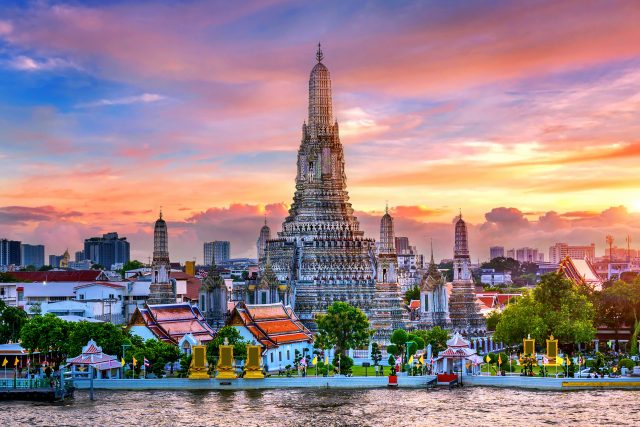
Thailand will ban alcohol sales during the advance voting period of 31 January to 1 February, and during election day, over 7–8 February 2026.
During these dates, the sale, distribution, free provision or hosting of events involving all types of alcohol drinks, will be barred. The nationwide ban applies to any venue distributing alcohol, including bars, nightclubs, restaurants, bottle shops and markets.
The initial ban will begin at 6pm on Saturday 31 January, and will end at 6pm on Sunday 1 February. The second will kick off at 6pm on Saturday 7 February and will end on 6pm Sunday 8 February.
Penalties for breaking the law
There are severe consequences for anyone found to breach the ban. Penalties can include six months’ imprisonment and a fine of up to 10,000 baht. The ban does not allow for exceptions, even to entertainment or tourism areas.
Partner Content

Thailand’s general election will see a showdown between three major political parties, and could lead to the southeast Asian nation’s fourth prime minister in less than three years.
Thailand’s political framework is split into three factions: blue, red and orange. The Bhumjaithai Party, the ‘blue’ faction, is led by Anutin Charnvirakul, while Natthapong Ruengpanyawut is at the helm of the ‘orange’ People’s Party. Then, the ‘red’ party – the Pheu Thai Party – is spearheaded by Yodchanan Wongsawat.
Dry days
Five of the past six elections have been won by the Pheu Thai party, or its earlier forms. 251 parliamentary votes are needed for a candidate to step into the role of prime minister, with every seat in parliament holding weight.
The alcohol ban is part of longstanding electoral regulations that aim to prevent disruption during the voting period.
Thailand is not the only country to forbid alcohol sales during election periods. India is one of them, with the state of Maharashtra recently enacting a four-day dry period while it geared up to civic body elections, and in almost all of Latin America. ‘dry laws’ or leyes secas, are widely enforced.
Related news
Imported beer could 'disappear' from Russian retail
Double Dutch: ‘Taiwan’s tonic comeback is the perfect moment to reimagine the G&T’


