



Sigalas-Rabaud becomes first Sauternes Premier Grand Cru Classé to release a dealcoholized wine
Valentine’s Day will see the launch the first dealcoholized wine from a Premier Grand Cru Classé. The bold and unique product, thought to be the first to be made from botrytized grapes, comes from Château Sigalas-Rabaud in Sauternes in a joint-project with Moderato, the Paris-based pioneer of dealcoholized wine. db’s Bordeaux correspondent Colin Hay reports.
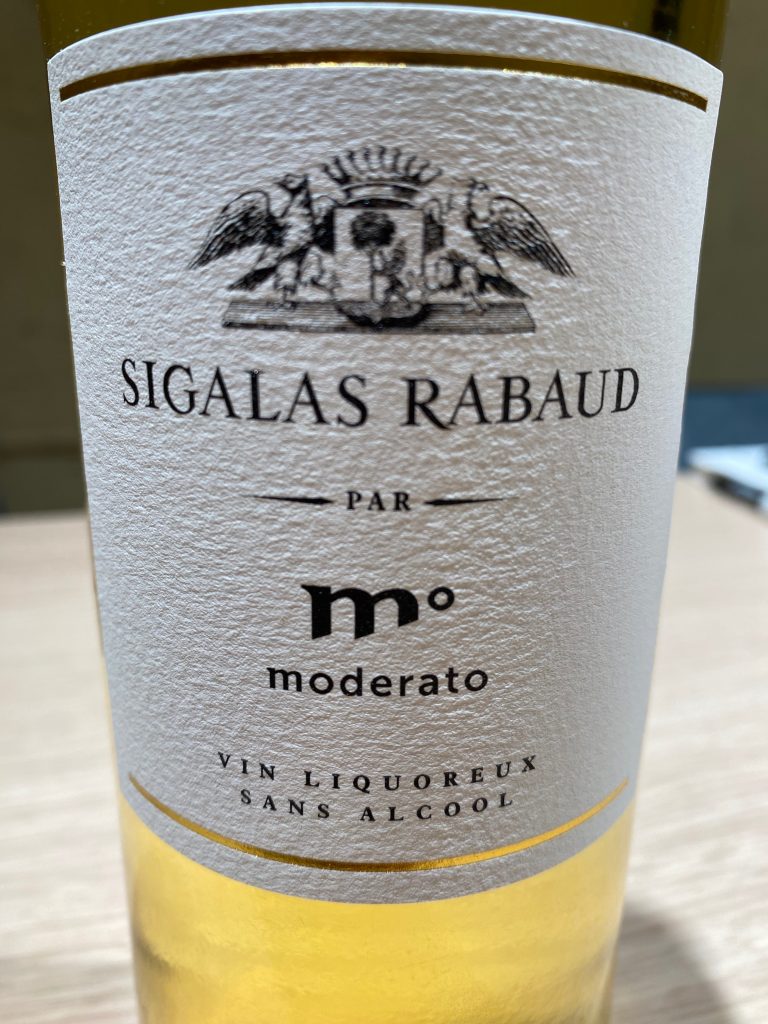
I was lucky enough to be amongst the first to taste this with Laure de Lambert Compeyrot, Sigalas-Rabaud’s director, and the team that produced it in the offices of Moderato last week. It is, by some distance, the most interesting and the most impressive dealcoholized wine that I have yet encountered and I suspect that it will find enthusiastic admiration both from long-standing aficionados of top-end Sauternes and from neophiles intrigued to see just how good dealcoholized wine can be.
Honestly, I was amazed by what I tasted – above all by the sense of terroir expressed in this product. I might, of course, be kidding myself (auto-persuasion is, after all, the deadliest of the wine-writer’s deadly sins!) but tasted blind and told that this came from a property in Sauternes, I think I would have picked that property as Sigalas-Rabaud (for its delicate white fruit and white florality).
The project
Given the ambition and sheer radicalism of this unprecedented project, to say nothing of the technical challenges of making a dealcoholized wine from barrel-aged Sauternes, it has come to fruition remarkably quickly. The project was launched after a first meeting between Laure de Lambert Compeyrot and the Moderato team at Vinexpo 2025 just under a year ago – and the first release will appear on the shelves of La Grande Epicerie and other leading cavistes just after Vinexpo 2026 closes its doors for a retail price of €29.90 per bottle.
There are around 6,000 bottles in the first release. It is based on the 2024 vintage and sourced from individual barrels that would otherwise have been destined for the grand vin itself. They will have seen a little less barrel aging than Sigalas-Rabaud itself (around 6 months) and the oak profile of the finished product (recently bottled) is subtle but present. The botrytis character is very evident, if perhaps a little less so aromatically than on the palate, and the balance between Sigalas’ characteristic citrus-charged acidity and the botrytis-infused residual sugar (at around 85 g/l) is truly remarkable given the absence of alcohol. So too is the sheer sense of viscosity and structure in the mouth.
Partner Content

The production process
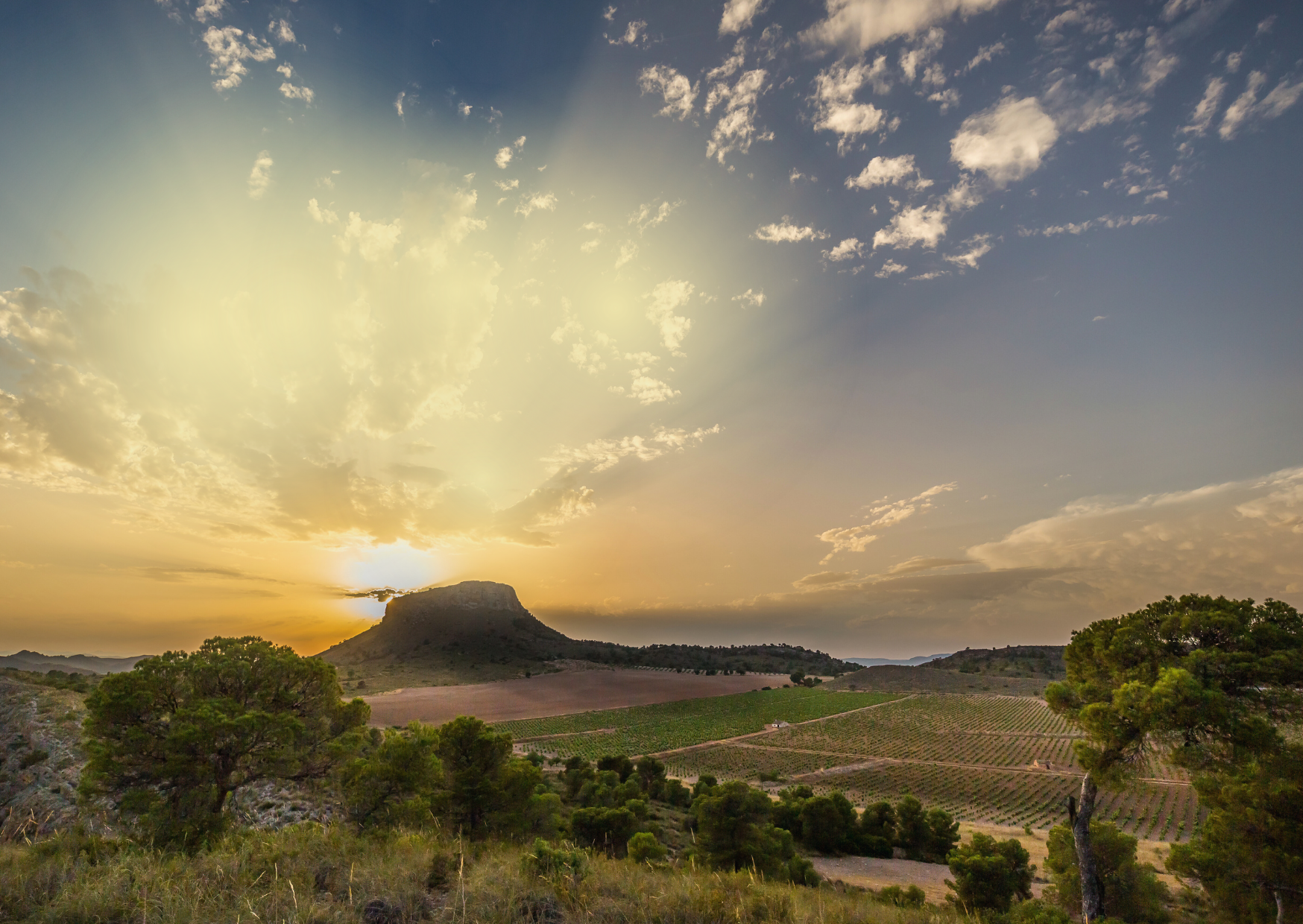
During the harvest, the requirements are identical to those of the grand vin: manual harvesting, grape by grape, of pure botrytized grapes, from September to November, followed by rigorous selection with three to five successive passages through the vineyard. It is this that gives the wines of the château their characteristic aromatic complexity.
The vinification is then carried out under the same conditions and with the same precision as for the grand vin, before a decisive stage: dealcoholisation. This is carried out at the appropriately named, Chai Sobre, in south-western France. This state-of-the-art facility, unique in France, was inaugurated in 2025 by Moderato and the Vivadour cooperative. The method used, low-temperature vacuum distillation, gently removes the alcohol while preserving the aromas, balance and structure of the final product. Each batch is adjusted with meticulous precision, drawing on the experience of several years of research and close collaboration between Moderato’s oenologists and the technical team at Chateau Sigalas-Rabaud.
Tasting note
Sigalas-Rabaud x Moderato (100% Sémillon; around 85 g/l of residual sugar; 0% alcohol). Truly remarkable. This is undoubtedly, and by some distance, the most impressive and the most interesting dealcoholized wine that I have ever tasted. I am not sure I thought this was possible. It certainly recalibrates my expectations. Bright, crisp, with evident if subtle notes of noble rot. White pear and a little apricot, scorched pineapple (just a hint), lanolin (a trace) and a delicate white florality that is so often the signature of the grand vin here. Citron pressé, a scratch of lime zest and a little hint of frangipane and toasted brioche. What is most remarkable here is the sense of density and viscosity in the mid-palate – much more Sauternes than ‘zero alcohol’ – and the impression of structure that imparts. It comes from the acidity and the tension between the acidity and the residual sugar. And that brings incredible length. ★★★★★.
Related news
Bordeaux 2025 en primeur: Sauternes & Barsac ‘very rich, very powerful’


