



Reasons why AB InBev is buying back its stake in US metal plants
AB InBev has revealed it will buy back a 49.9% stake in its US metal container plants for approximately US$3 billion. db assesses why the move is “strategic”.
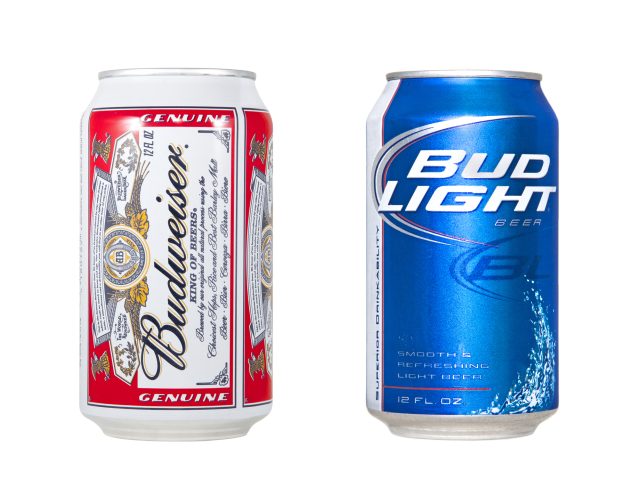
The move, which was originally outlined at the end of 2020 when it offloaded the business to private equity firm Apollo Global Management, had already been flagged as being in the pipeline after the brewer outlined it as a “strategic relationship” that came with the option to utilise a repurchase option after five years at the predetermined price of $3bn.
The business, which includes seven plants across six states, is being retained at a time of rising aluminium costs across the US, primarily affected by high tariffs introduced by President Donald Trump on 4 June.
The beer company known globally for its Stella Artois, Budweiser and Corona beer brands, has said that it expects to close the transaction in the first quarter.
Partner Content


Tariffs
The repurchase follows Trump having doubled tariffs on aluminium imports to 50% last summer after they were already slapped with a 25% tariff in March, a move which sent drinks companies into a frenzy. Many brewers braced for further struggles based on the situation. The decision was, according to the President, a bid to support investment in US production of the metal. However, from a drinks company perspective, the repurchase will also now assist AB InBev in securing packaging materials for canned beer products for the future and, essentially help in reducing raw material and manufacturing costs for the company in the meantime.
Last August, db looked into why US breweries were being urged to remain cautious about packaging costs after a new update to Section 232 was expanded upon for cans, showing that the writing was already on the wall for material costs to surge and need to be re-navigated.
Focusing on the positives
As part of the deal, AB InBev has revealed that the repurchase option will be “funded with cash-on-hand” and is consistent with its capital allocation framework that focuses on maximising “long-term shareholder value”. The business also identified the positive aspects of the buy-back and highlighted how it would be “ensuring quality, cost efficiency, speed of innovation and supply security” for its brands, while providing “industry-leading manufacturing jobs and driving economic growth in communities across the US”.
The company declined to comment more specifically on the transaction in other terms, but notably the deal comes at a time when beer continues to lose market share to spirits, with drinking patterns continuing to evolve as consumers adapt to reduced alcohol consumption trends.
Related news
Imported beer could 'disappear' from Russian retail
Germany’s Bitburger overhaul taps into movement for ‘cleaner' beer


