



No and low alcohol and functional drinks surge – but not for the same reasons
New IWSR data shows no and low alcohol and alcohol adjacent drinks are booming, driven by very different consumer motivations and occasions.
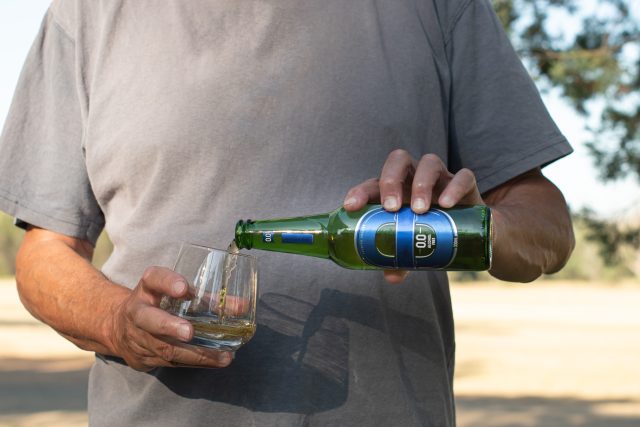
No and low alcohol drinks and so-called alcohol adjacent beverages are both enjoying strong global growth, but they are not competing head-to-head, according to new data released by IWSR.
Instead, the two categories are being fuelled by diverging consumer needs, with health and moderation driving demand for no alcohol analogues, while curiosity and functional benefits underpin growth in alcohol adjacent drinks.
Health drives no alcohol choices
In a survey of no and low alcohol buyers across ten key markets, IWSR found that health was the dominant motivation for purchasing no alcohol analogue products such as no alcohol beer, wine and spirits.
Some 37% of respondents choosing no alcohol beer and 40% of those opting for no alcohol wine and no alcohol spirits cited “a healthy lifestyle choice” as their main reason for purchase.
By contrast, health was a less significant driver for alcohol adjacent beverages. Only 26% of respondents said they chose these drinks for health reasons, the lowest share across all categories surveyed.
Alcohol adjacent drinks include non-intoxicating hemp beverages, nootropic and adaptogenic functional drinks, as well as products with alcohol cues such as botanicals, sparkling teas and fermented beverages.
Functional benefits and curiosity fuel alcohol adjacents
While health plays a smaller role, alcohol adjacent beverages are most often selected for different reasons. The category was the most likely to be chosen “to experience similar effects to alcohol through functional ingredients” (17%), or simply because “I was curious to try it” (20%).
Partner Content



Despite serving different consumer occasions, both categories are expected to continue growing at pace.
IWSR estimates that global volumes of no alcohol analogues – including no alcohol beer, wine, RTDs and spirits – grew by +9% in 2025. The category is forecast to expand by 36% by volume between 2024 and 2029, reaching more than 18 billion servings by 2029, equivalent to two servings for every person on the planet.
Alcohol adjacent beverages are growing from a much smaller base, but momentum remains strong. IWSR expects volumes in the category to have increased by +11% during 2025.
Susie Goldspink, IWSR Head of No and Low Alcohol, said the drinks industry needs to recognise the distinct roles each category plays.
“No-alcohol analogues like no-alcohol beer and wine are an increasingly popular way for drinkers to moderate their alcohol intake,” she said. “By mimicking the taste and appearance of alcoholic beverages, drinkers who want to moderate can participate fully in occasions without feeling left out.
“Alcohol adjacent drinks are also growing in popularity, but consumers are using them in a different context, choosing them more for their functional benefits rather than as a mechanism for moderation.
“Both categories are poised for continued strong growth, but most likely as distinct products, not competitors.”
Related news
Peroni 0.0% becomes available in lemon and blood orange flavours
The first 0.5% Bordeaux red hits the market
Drinks makers push low calorie options in response to GLP-1s


