



LVMH results offer cautious lift as wine and spirits remain under pressure
LVMH has reported slightly better-than-expected fourth-quarter sales, offering tentative encouragement after several difficult years. However, weak performance in wines and spirits and mounting succession concerns continue to weigh on investor sentiment.
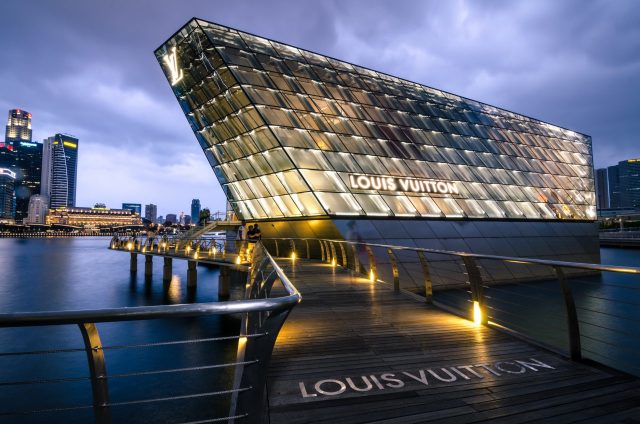
LVMH provided some modest optimism when it published its full-year results.
This came after the world’s largest luxury goods group achieved a 1% increase in organic sales during the fourth quarter, which was slightly ahead of market expectations and hinted that, following several difficult year,s conditions may be easing.
The French giant said that its performance would ‘gradually improve’ in 2026 after it achieved organic growth in the second half of the year.
Profits fall amid uncertain trading conditions
Overall, at €17.8 billion, its recurring profit on annual sales of €80.8 billion was 9% below the 2024 level.
With geopolitical and consumer uncertainty difficulties abounding, chief financial officer Cécile Cabanis warned that “the environment remains quite unsettled and uncertain….so we may have to react, and things won’t go as planned.”
Moet Hennessy again drags on group performance
Once again, the Moet Hennessy wines and spirits division was the weakest performer during the year.
Its operating profit fell by 25% to €1,016 billion, hit by changing consumer tastes in the US and China and resistance to premium-priced products.
Uncertainty over Donald Trump’s tariff threats also put a severe brake on US sales, especially of Cognac, where Hennessy reportedly has been discounting to move stocks.
The company said that Moet Hennessy’s performance “confirmed the slowdown in demand observed since 2023, following several exceptional years”. The impact on customers of US trade tensions was mirrored by anxieties in the key China market.
Partner Content

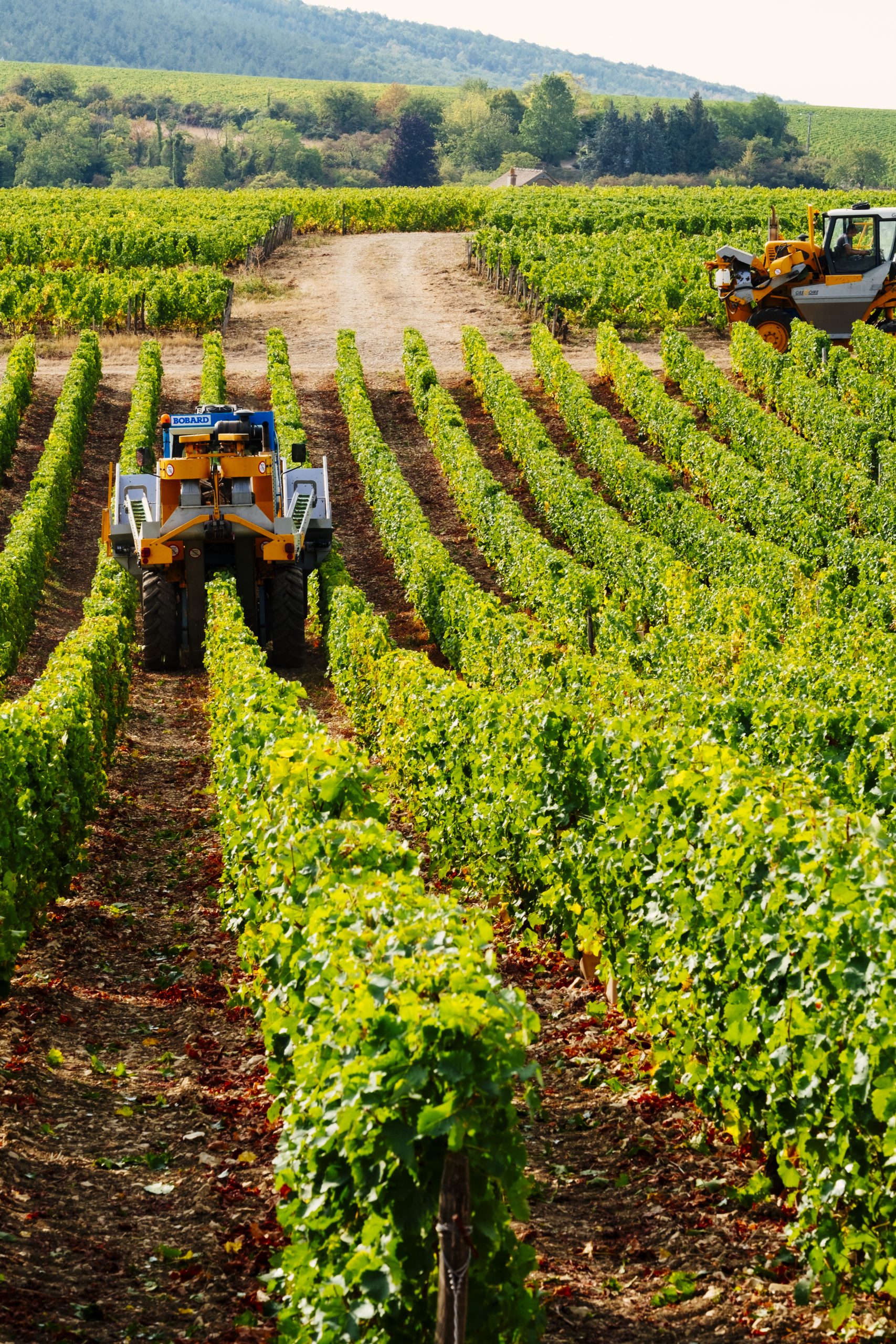


Champagne and rosé hold ground
It said that its champagne houses, including Moet et Chandon, Veuve Clicquot and Krug, “maintained their market share of 22% of all champagne-appellation shipments”, while its Provence rosé wines continued to outperform the rosé category worldwide.
The division, which is halfway through a two-year root and branch evaluation, “continued to invest in the long-term desirability of their brands and launched a programme aimed at boosting efficiency and reducing costs.”
At present, it is facing a series of strikes in a wrangle over end of year bonuses.
Succession questions unsettle investors
Despite the improving results, some LVMH shareholders want greater clarity on to whom chairman and chief executive Bernard Arnault plans to hand over when he eventually steps down.
He has led the group for almost 40 years, and at 76, recently changed its statutes to allow him to continue until he is 85 if he wishes or unless health issues intervene.
Some investment groups are worried about the lack of transparency, which they believe is increasingly becoming a risk for the group.
One large fund manager told Reuters: “Ten years ago, succession was not a pressing issue. Today, it has become a risk factor and leads to a governance discount on the company.”
Arnault has five children involved in the running divisions and over the past few years has been organising what some have termed a “beauty contest” between them, but he has yet to pick a successor.
LVMH says that succession plans for its executives have not been made public, but “obviously they do exist”. The company did not mention Arnault specifically.
Related news
LVMH maintains growth despite Middle East disruption
Bernard Arnault tightens grip on LVMH with majority family stake


