



Lightweight bottles embraced by the wine industry
The wine sector has been getting behind switching to lightweight bottles as a primary way of reaching its sustainability targets. db reports.
Speaking to the drinks business about the changes it has made to its business, Kellerei Kurtatsch Winery revealed that in 2025 the business redesigned its Selection line with sustainability in mind.
Kellerei Kurtatsch Winery president Andreas Kofler told db that it has opted for “lighter bottles, reduced CO₂ emissions, and new packaging made with 75% recycled materials” and these are elements it has already achieved.
Reduced glass weight saves CO₂
As Kofler explained: “The introduction of lightweight bottles has reduced glass weight by 28%, saving 135 g of CO₂ per bottle — the equivalent of approximately 107 tonnes of CO₂ per year, comparable to the offset provided by 107–214 trees, depending on species and growth”.
Partner Content
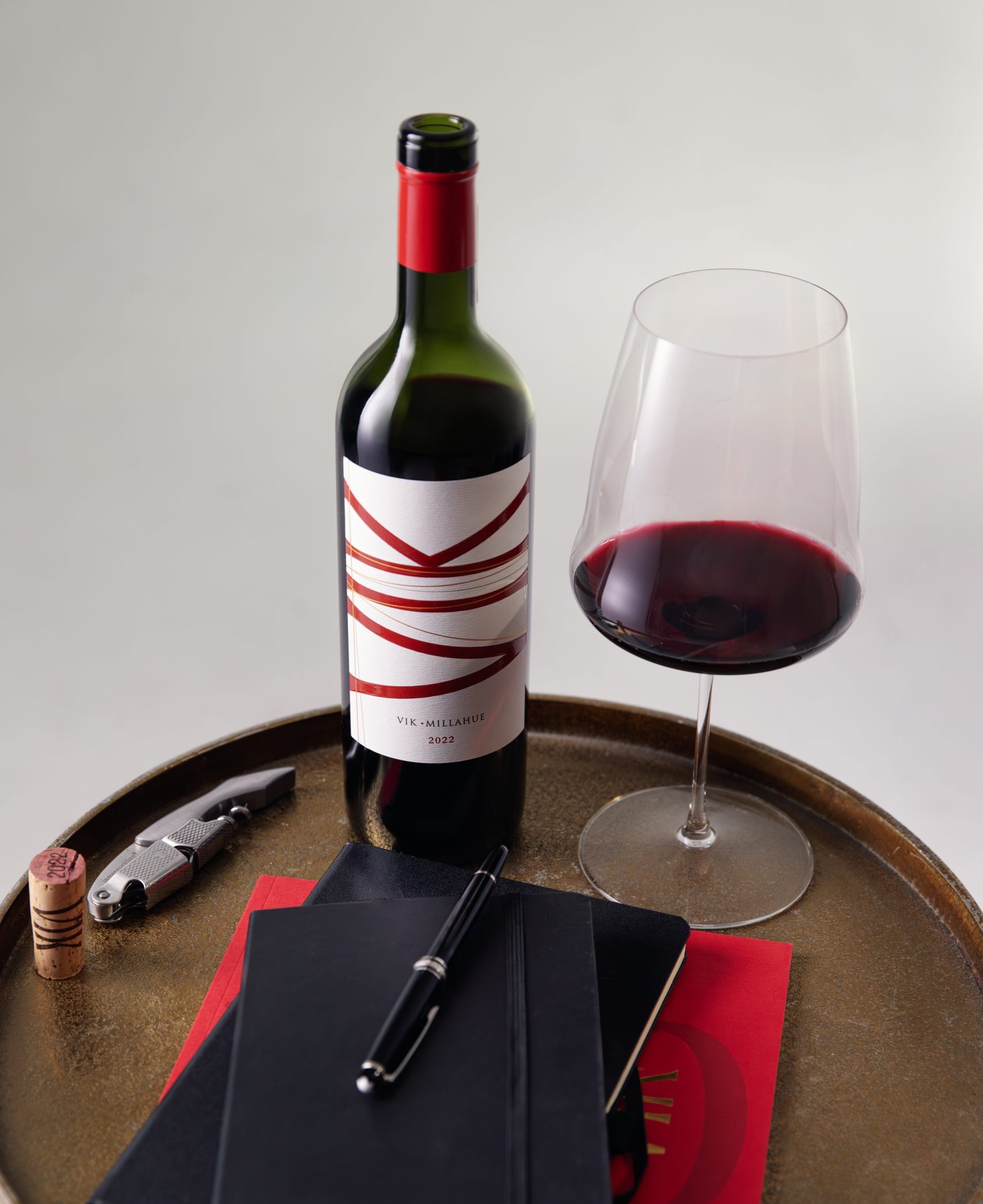
Plus, Kofler insisted that this update reflects the company’s “ongoing commitment to improving environmental performance not only in the vineyards but also in product design and everyday production choices”.
Similarly, over at Argea, its GHSE and sustainability director Michael Isnardi told db: “In recent years, Argea has introduced several initiatives, including: the progressive adoption of lightweight bottles to reduce emissions; the use of more sustainable materials for bottle packaging; investment in renewable energy across our wineries; vineyard management techniques that protect biodiversity and soil health; a rigorous selection of suppliers through our supply chain pact.” All of these elements, Isnardi noted, have had a considerable impact on helping it reach its sustainability goals.
Adapting production for the future
Echoing this, Champagne Canard-Duchêne managing director Jerome Durand also told db: “As part of our transition plan, we have drastically limited the use of secondary packaging (5% of our sales) and only produce reusable or recyclable packaging, while encouraging consumers to sort properly. But our greatest pride is the lightweighting of our special bottle, a real commitment because it requires adapting the production tool, with considerable associated investments (mould, adaptation of storage crates, adaptation of the lines).”
Durand pointed out that “this project makes it possible to reduce the weight of our special bottle by 13% and to bring it below the weight of a standard Champagne bottle”.
Related news
Hallgarten roundtable: is sustainability a prerequisite for marketing success?


