



Iran tariff threat raises fresh risks for global wine and spirits trade
Donald Trump’s threat of a sweeping tariff on countries doing business with Iran has sent a chill through global trade. For wine and spirits, already bruised by recent levies, the knock-on effects could be felt far beyond Tehran.
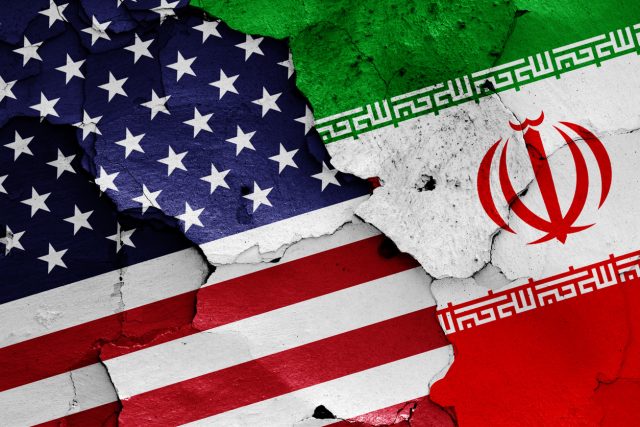
US President Donald Trump has declared that any country trading with Iran will face a 25% tariff on all business conducted with the United States, according to a post on Truth Social. The measure is described as effective immediately and final; however, the White House has offered no clarity on how such a tariff would be enforced or which partners would be caught in its net.
The announcement comes amid a violent crackdown on anti-government protests in Iran, with thousands feared dead. Trump has previously used tariffs as a tool of pressure, though analysts often point out that the final outcome rarely matches the opening salvo.
Iran’s trading web and why it matters
Iran trades with more than 100 countries, with China its largest export destination. In the year to October 2025, China bought more than US$14bn of Iranian goods, according to figures from Trade Data Monitor based on the Islamic Republic of Iran Customs Administration, cited by the BBC.
Iraq follows with US$10.5bn, while the United Arab Emirates and Turkey also loom large. Exports to Turkey rose sharply from $4.7bn in 2024 to US$7.3bn last year. Almost all of Iran’s top exports are fuel-related, though pistachios and tomatoes also make their way abroad.
This matters for drinks because tariffs rarely respect sectoral boundaries. When trade flows stiffen, currencies wobble and costs rise, imported wine and spirits are often among the first discretionary purchases to feel the squeeze.
For context, Chinese spirits exports led by baijiu reached US$605.2m between January and August 2025, up 4.7% year on year, according to Chinese customs data, with Hong Kong accounting for more than 40% of export value. Wine shipments are also edging upwards, with China exporting around US$1.9bn worth of wine in 2024, a 6% annual increase, according to official trade figures. Broader customs data compiled by the Observatory of Economic Complexity shows China exported about US$1.35bn of hard liquor in 2024.
Partner Content

Enforcement headaches
Implementing the tariff may prove awkward. Iran has generated billions from oil exports using shadow ships and by selling in Chinese yuan rather than US dollars. Whether the new 25% tariff would sit atop existing US levies remains unanswered.
For China, the threat is provocative. Chinese goods entering the US already face an average tariff of 30.8%. Beijing has warned it will take all necessary measures to protect its interests, raising the spectre of retaliation that could again catch alcohol in the crossfire.
Lessons from recent drinks tariffs
The drinks industry hardly needs reminding of how tariffs bite. As reported by the drinks business, a coalition of 57 alcohol producers, hospitality groups and suppliers warned in August 2025 that a 15% US tariff on EU goods could slash nearly $2bn from US alcohol sales and jeopardise 25,000 jobs.
That letter, supported by Diageo and Pernod Ricard, argued that higher duties would push up menu prices and damage American bars and restaurants. US customs duties across all goods are now estimated at between 17% and 20%, their highest level in a century, as reported by the drinks business.
Indian whisky offers another cautionary tale. Proposed US tariffs of up to 50% on Indian imports threaten price rises of US$5 to US$10 per bottle, according to comments from Radico Khaitan. Producers there have warned of pressure on sales in their largest export market.
What this could mean for wine and spirits
While Iran itself is not a major alcohol exporter, the tariff threat widens the circle of uncertainty. Countries trading with Iran include Turkey and the United Arab Emirates, both important hubs for wine and spirits logistics and consumption. Any friction with the US risks disrupting routes, raising insurance costs and dulling appetite among importers.
The broader fear is that tariffs, once unleashed, become promiscuous.
Related news
Trump threatens 200% tariffs on French wine and Champagne over Board of Peace snub
Loss of US fine wine buyers following Trump tariffs akin to the 'exodus' of Asian buyers in 2010
EPR having 'as much impact' economically as Trump tariffs, Concha y Toro warns


