



Inside Desa Potato Head: How Bali’s creative hub is reshaping wine hospitality
Head sommelier Minyoung Ryu tells db how her global career has shaped a guest-first wine philosophy – and why Bali’s evolving wine scene offers unexpected potential.
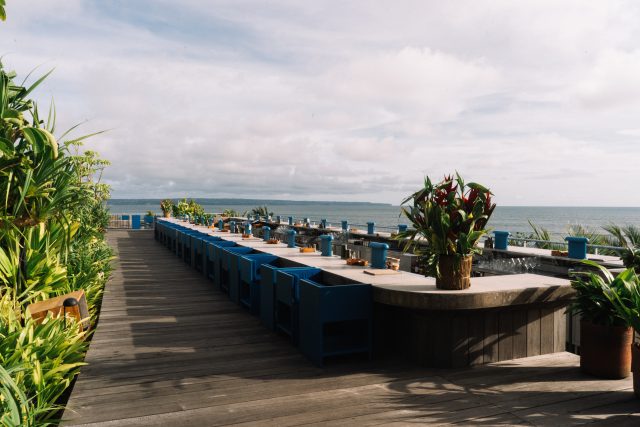
Set on Bali’s Petitenget Beach, Desa Potato Head is far more than a beach club or resort. An oceanside cultural playground encompassing a 225-room hotel, the iconic Potato Head Beach Club, multiple restaurants, spa facilities and creative spaces, the property has been recognised in the World’s 50 Best Hotels awards 2023-2025. Built around pillars of sustainability, wellness and community connection, Desa Potato Head is B Corp certified and operates with a clear ethos: “Good Times, Do Good”.
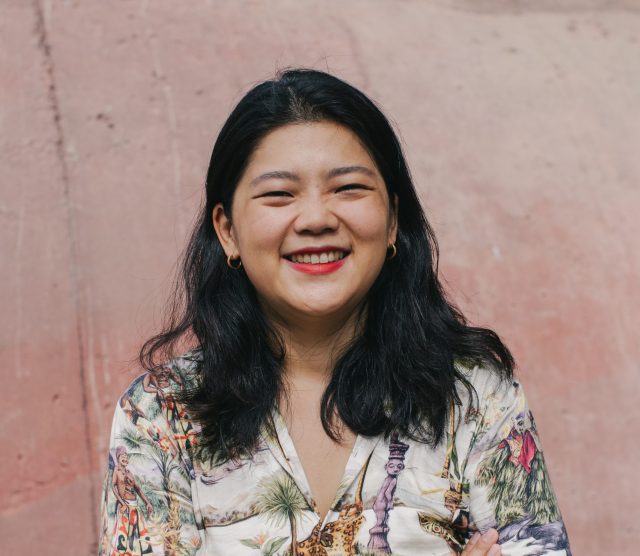
Wine plays a growing role within this wider vision. The Desa’s eight venues include four specialty restaurants – Kaum, Ijen, Tanaman and Dome – each with a distinct culinary identity and approach to drinks. Overseeing the wine direction across the site is Head Sommelier Minyoung Ryu, whose international career spans the UK, Australia, Hong Kong, the Maldives and Korea.
For The Drinks Business audience, Ryu’s perspective offers insight into how wine hospitality operates in a destination market shaped by tourism, cultural exchange and emerging local production. From rebuilding wine lists to reflect venue identity, to working with Indonesian producers and navigating guest perceptions of tropical winemaking, her role sits at the intersection of global wine culture and Bali’s fast-evolving drinks scene.
You’ve worked across the UK, Australia, Hong Kong, the Maldives and Korea – how have these cultures shaped your approach to wine hospitality?
Working across different countries has shaped me to be more open-minded and deeply people-focused. Through these experiences, I realised that hospitality is ultimately about human connection rather than culture or background.
I always prioritise understanding what the guest truly wants. In the past, some restaurant managers questioned why I didn’t push more expensive bottles, but I’ve always believed that wine should never be sold for the sake of price. If a wine doesn’t feel right for the guest, I’m not comfortable recommending it either.
This approach has helped guests feel safe, understood and willing to open up, which naturally builds trust. I share the same philosophy with the sommeliers I train: of course selling premium wines is important, but the guest’s needs must always come first. Authenticity and trust are what create meaningful wine experiences.
When you arrived in Bali, what surprised you most about the local wine-drinking culture?
When I first arrived in Bali, what surprised me most was how random and inconsistent many wine lists were. There was often no clear identity, structure, or meaningful connection between the food, the venue concept, and the wines being offered.
It was challenging at first, but it quickly became a strong motivation for me. Across our eight venues including four specialty restaurants such as Kaum (Indonesian cuisine), Ijen (seafood), Tanaman (plant based), and Dome (a modern, low-intervention wine bar) I invested big time in rebuilding wine lists with clearer direction, stronger storytelling, and better alignment with each outlet’s identity and guest profile.
For me, a wine list is not just a collection of bottles; it’s a communication tool between the venue and the guest. That process of shaping identity through wine has been one of the most meaningful parts of my work in Bali.
How does your role as Head Sommelier differ in a destination like Bali from more traditional wine markets?
Most international guests are initially surprised and curious. Many don’t realise that wine is produced in Indonesia at all, and honestly, I felt the same way when I first arrived in Bali.
The reaction is often a mix of hesitation and intrigue: “Is this really possible here?” followed by “I want to try it.” That curiosity becomes a powerful starting point for conversation. Guests begin asking questions about how the wines are made, the climate, the challenges, and the story behind the producers.
While expectations are still cautious, openness is growing. And I think that sense of discovery for both guests and professionals is exactly what gives Indonesian wine its unique potential right now.
You’ve spoken about wine as cultural exchange – can you share an example where that really came to life with guests?
This is something I truly believe in, and I’ve experienced it many times. One memory that still stays with me happened when I was working in Hong Kong.
The restaurant had a Southern Italian concept, so I spent a lot of time curating wines exclusively from southern regions. But with guests, our conversations often went far beyond wine, we talked about food, culture, travel, and life in general.
During one of those conversations, a guest casually asked me, “Do you like Lambrusco?” I told him I especially love drinking it with pizza. He smiled and said, “People from Emilia-Romagna love anything with bubbles, not only sparkling wine, but even sparkling water. When you visit Italy, watch closely: if an Italian orders both sparkling water and sparkling wine, there’s a very high chance they’re from Emilia-Romagna.”
Later, when a representative from a Lambrusco winery visited the restaurant, I shared this story. He laughed and said, “That’s absolutely true, who told you that?”
Partner Content


It was a small moment, but it perfectly captured what wine can do. Wine becomes a bridge between food, culture, stories, and people who might otherwise never have connected.
Are there wineries or regions that particularly resonate with Bali-based visitors?
Yes, there are a few wineries that tend to resonate strongly with visitors, particularly those who are curious about discovering something local.
Most vineyards, such as those around Sanggalangit in the far north of Bali, are located in cooler coastal areas, but they are quite remote and difficult for most tourists to access. However, wineries like Hatten have made local wine more approachable by opening a cellar door in Sanur, which is relatively close to the airport and easy for visitors to reach. The fact that guests can now taste Indonesian wine in a dedicated cellar-door setting is already a meaningful sign of how the local scene is developing.
It’s also important to understand the structural challenges. Indonesia has very high taxes on alcohol, so many producers import grapes or grape juice from Australia and vinify locally. Despite these limitations, there is clear progress in building visibility, accessibility, and consumer curiosity.
For many visitors, the appeal is not only about the wine itself, but also about experiencing a young and evolving wine culture in a very different context from traditional wine regions.
Do you find guests receptive to learning, or primarily seeking familiarity?
Because many guests are on holiday, I find that around 70–80% of them are genuinely open-minded and curious. They’re more relaxed, more willing to explore, and more receptive to discovering something new compared to guests in more traditional markets.
There is also strong curiosity around the idea that wine can be produced in Bali. Many guests want to try it at least once, and they often ask questions about how it’s made, the climate, the challenges, and what makes it unique. Those conversations naturally open the door to deeper engagement.
So while some guests still seek familiarity, the overall environment in Bali creates a beautiful opportunity for education, storytelling, and cultural exchange through wine.
Do you work with any Indonesian wine producers, and how do you view the development of the local wine scene?
Yes, I actively work with Indonesian wine producers, and supporting the local ecosystem is important both to me personally and to the company I work for.
When I first arrived in Bali, one of the first things I did was organise tastings with as many local wine producers as possible, to better understand what was being made on the island and across Indonesia. I felt it was essential to approach the local scene with curiosity and respect rather than assumptions.
Bali is a unique place culturally. There is a strong spirit of collaboration and community here, and a real effort among producers to create and support locally made products. You can see it not only in wine, but in food, body care products, aroma oils, and many other areas of daily life.
That spirit has influenced me deeply. Whenever something is grown or produced locally in Bali, I naturally feel more inclined to explore it, support it, and give it a platform. The local wine scene is still developing, but there is genuine energy, creativity, and potential and I believe that deserves attention and encouragement.
What perceptions do international guests have of Indonesian wine?
Most international guests are initially surprised, but also genuinely curious. Many don’t realise that wine is produced in Indonesia, so their first reaction is often a mix of disbelief and intrigue.
I can relate to that completely, I remember feeling the same way when I first arrived in Bali. I was surprised to discover that wine existed here, but at the same time I felt curious and wanted to try it for myself. I think many guests go through that same journey.
What often changes their perspective is learning about the realities of tropical winemaking. When guests hear that vines can be pruned up to three times a year, or that growers use mango ripeness as a reference point to understand grape maturity, they suddenly realise this is not just “wine in a warm country”, it’s an entirely different world of viticulture emerging.
Those moments usually shift the conversation. Guests begin to see Indonesian wine not as a novelty, but as part of a new, evolving wine culture. For me personally, it has reinforced how important it is to remain open-minded and committed to continuous learning. Being here constantly reminds me that the world of wine is much bigger than traditional frameworks and that’s something I feel grateful for every day.
Related news
Sell more wine with flavour, not terroir
‘Wine is the third character in the series’: Sébastien Pradal on shaping Drops of God
Meet the sommelier pairing wines with supermarket picky bits


