



Domaines Barons de Rothschild Lafite launches new Chilean icon wine
Chile’s Viña Los Vascos, part of Domaines Barons de Rothschild (DBdR) Lafite, has launched a new, “modern and contemporary” wine, Cañeten, billed as the culmination of 20 years of exploration in Colchagua’s coastal foothills. Arabella Mileham reports.
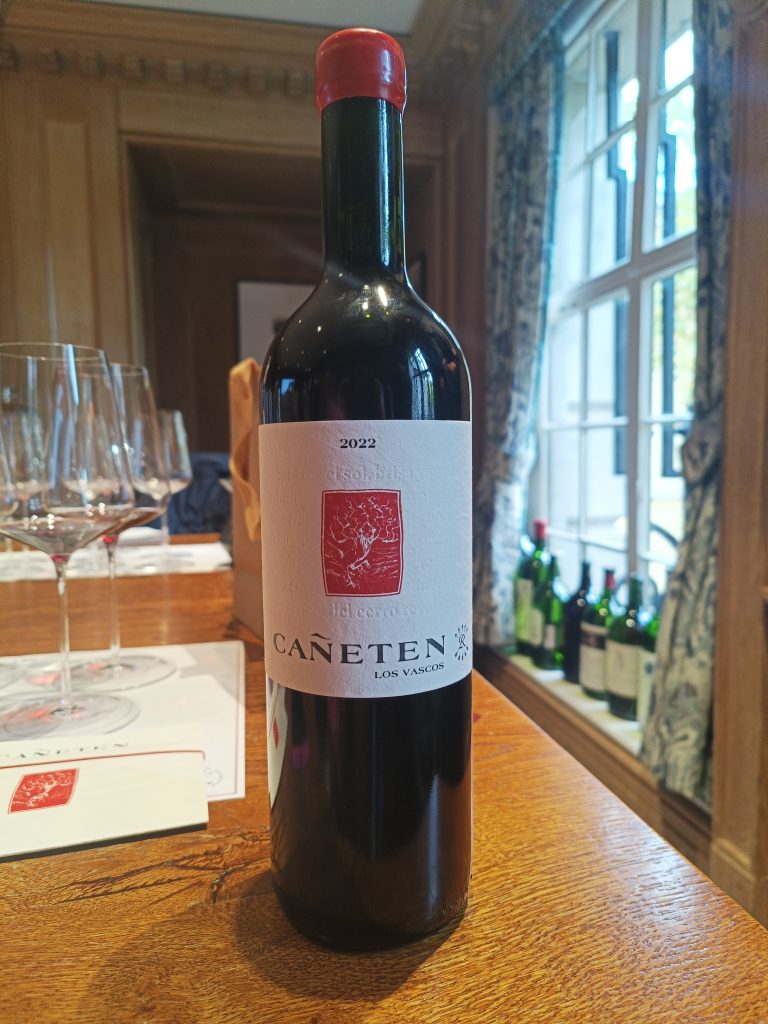
The wine – a blend of 54% Syrah grown on granitic soils, 43% Cabernet Sauvignon and 3% Cabernet Franc – “reflects the terroir and how we work”, winemaker Diego Márquez de la Plata said during a recent tasting over Zoom. He explaining that the idea is “to use the wine as an example of this place, of the granitic soils and the unique freshness it produces.”
Although the project is only at the beginning (2022 is the first vintage to be released), Márquez de la Plata has “high hopes that it’s going to be a really interesting wine in the future”.
This sentiment is echoed by DBdR Lafite’s executive chairwoman Saskia de Rothschild, who called it “a wine that breaks the conventional codes of Chilean iconic wines… [and] embodies both the present and the future of Los Vascos”.
The project is the result of extensive research into the terroir, which involved digging hundreds of soil pits to discover more about the complex soils, and selecting the best sites and exposures for each vine.
The technical team started searching the foothills in 2005 and in 2009 acquired a 50-year old Cabernet Sauvignon vineyards but had to decide which was going to be the future vineyard of Los Vascos). Eric Kohler, Lafite’s technical director, Olivier Tregoat, the technical director of Los Vascos and viticulturalist Enrique Marquez then turned their attention to searching the valley for suitable soils, slopes and exposure and in 2013, establishing La Aguina vineyard following the technical analysis.
The unique site is cradled between two ridges in the coastal range that form a crescent-shaped arc marking Los Vascos’ southwestern boundary, and the microclimate is heavily influenced by Cerro Cañetén, the tallest peak in the coastal range that overlooks the site.
“On a clear day, if you hike the Cerro Cañetén, you can see both the Pacific Ocean on the left and the Andes on the right at the same time, it is a beautiful place,” he said.
Partner Content

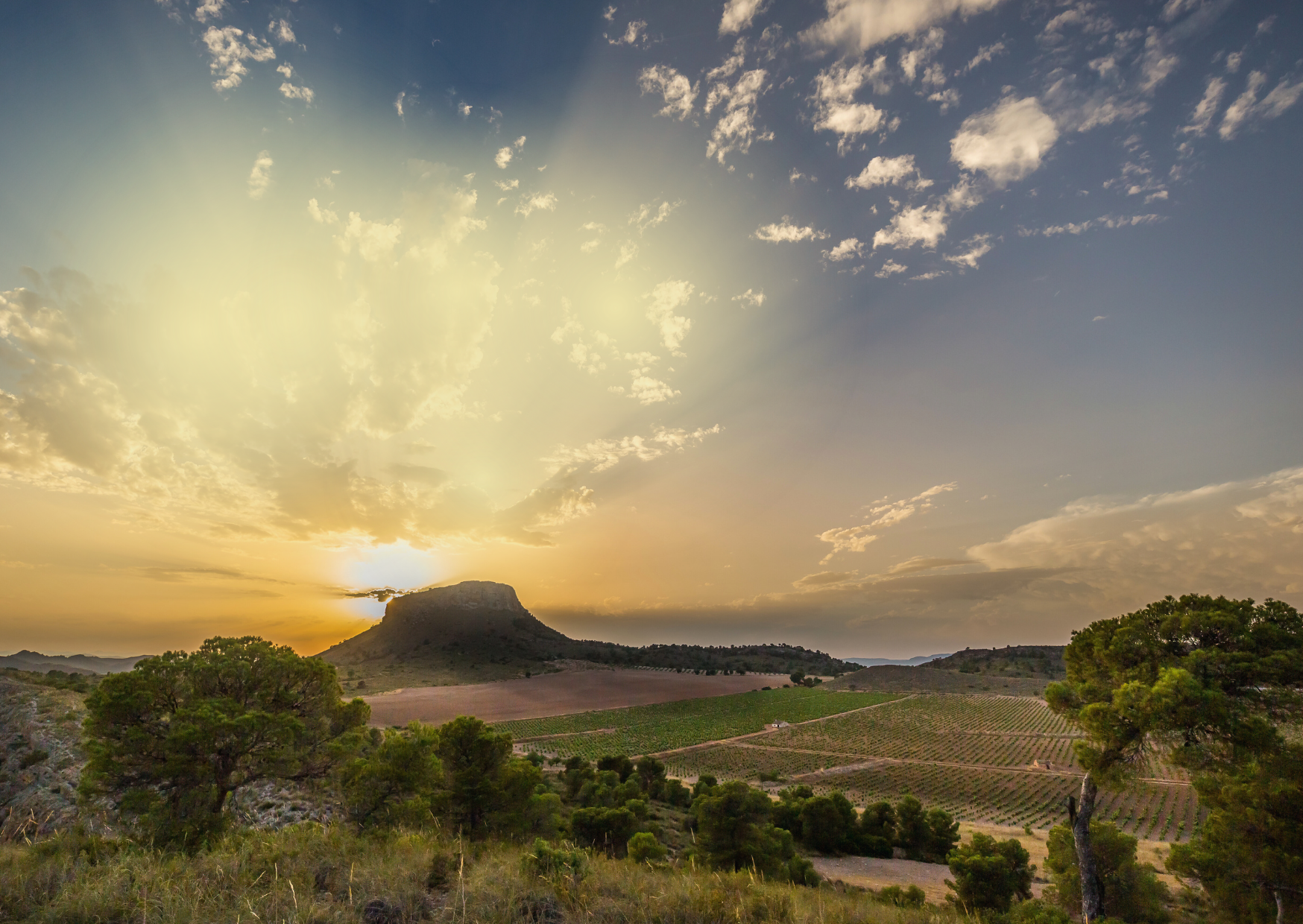
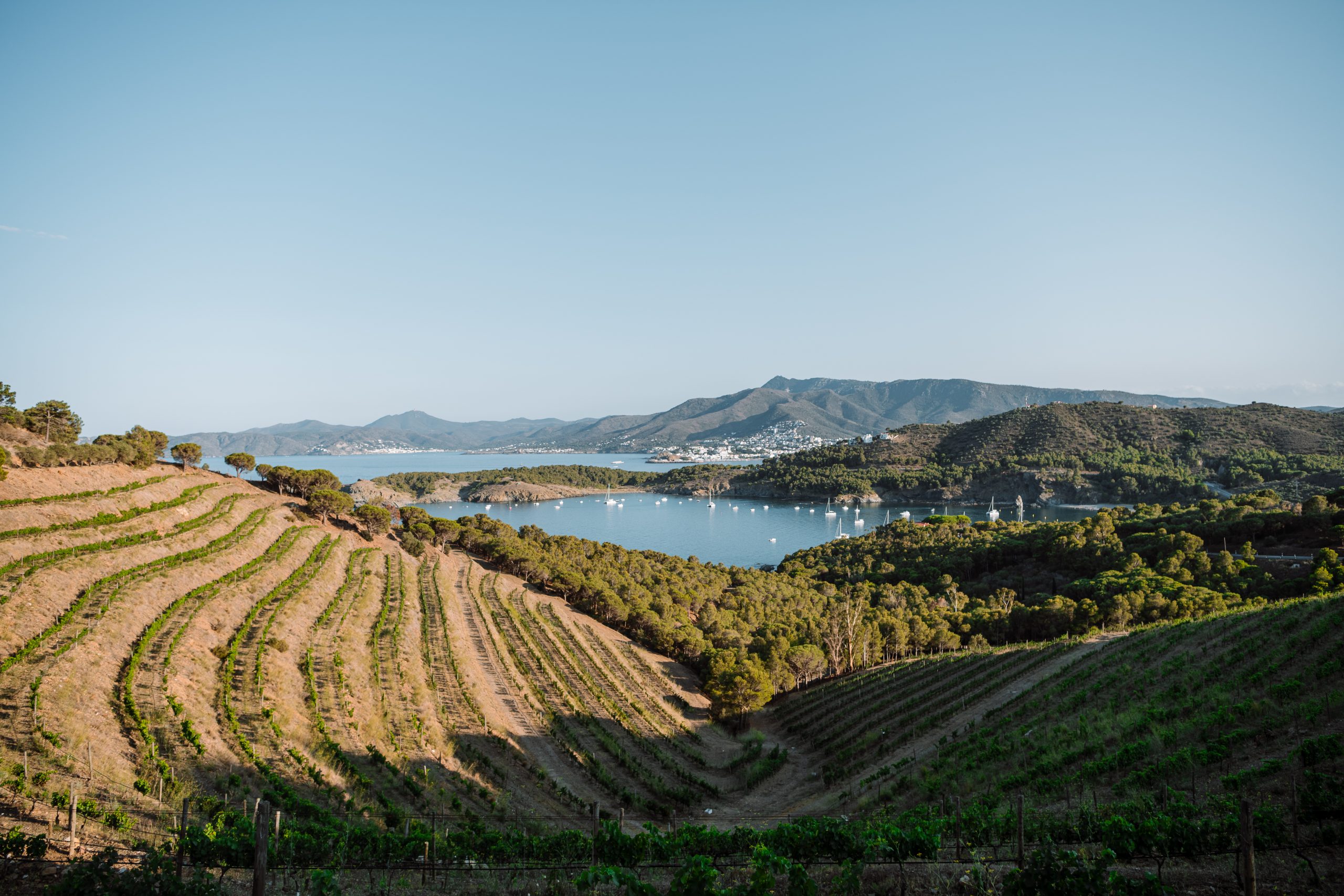
The vineyard is set within native forest and grassland surrounded by flora and fauna, and divided into eight uneven plots, according to the soils. Four plots on granitic slopes are planted with Syrah, two of Cabernet Franc (although not much is used in the blend, it contributes to the structure of the wine) while the Cabernet Sauvignon is grown on the flatter land, which although still granitic, contains more alluvial and colluvial clay, which is better suited to Cabernet Sauvignon. Carménère, although not used in the Cañeten blend, is also grown.
The influence of the granitic soils is only aspect, however as the Pacific Ocean, cooled by the Humboldt current, provides a very important moderating influence, Márquez de la Plata says. The ocean produces fogs in the morning, which helps filter the light and lower the temperature, before the clouds disperse and the temperature rises again.
“We have a good amount of radiation and temperature for a few hours and afterwards, normally, at 4pm or 5pm we start having a wind from southwest from the Pacific, which refreshes the vines again.”
During January, the hottest month of the year, the average temperature reaches 30 degrees, falling to 10 degrees at night – this 20-degree diurnal range is “really important for the character of the grapes and the wine,” Márquez de la Plata explains.
The first harvest was produced in 2016, but as the growing season was very rainy, only 200hl was produced and it wasn’t until 2017 “that we realised we had something interesting” and started to understand the site, and start thinking about how to show the terroir best.
As Domaines Baron de Rothschild Lafite export director Tiphaine de Rességuier adds, “we have a very empirical approach in everything we do. In the vineyard, first we taste, we identify, we look and from what we see, we decide the selection and how to work it.” Using intra-plot selections, the wines are micro-vinified individually, using a mixture of concrete and stainless steel tanks “as a tool… to build a more complex and more interesting blend.”
“After years of working, we know that some plots behave better in stainless steel – for example, we don’t ferment Cabernet Franc in concrete tank because concrete tanks are too extractive and we need to be careful with it. Concrete tanks are better for Syrah.” Extraction with the granitic soils needs to be gentle, he adds, as the wine can produce a lot of texture with a lot of tannins. Ageing is done in 4000L foudres for 16-20 months to provide “the perfect balance between air and evolution”, for, as Márquez de la Plata explains, it’s a terroir that needs “not much wood to keep the beautiful fruit and freshness.”
With only a small amount of the 2022 vintage produced, the wines are being released on limited allocation in the UK (RRP: £150), Belgium and Germany, along with the key Canadian market and Hong Kong, However, quantities were doubled for the 2023 vintage on the back of the good harvest.
Related news
Copa Jerez to test UK chefs and sommeliers’ pairing prowess


