



Wines of Hungary makes central Europe the centre of attention
Wines of Hungary is courting the UK trade, with recent events showcasing myriad styles to be explored. db checks out what the central European nation has to offer.
“We feel that, at the moment, people are looking for very niche wines,” explained Nikolett Garai, head of international marketing at the Hungarian Wine Marketing Agency. “They want to explore, to try something new.”
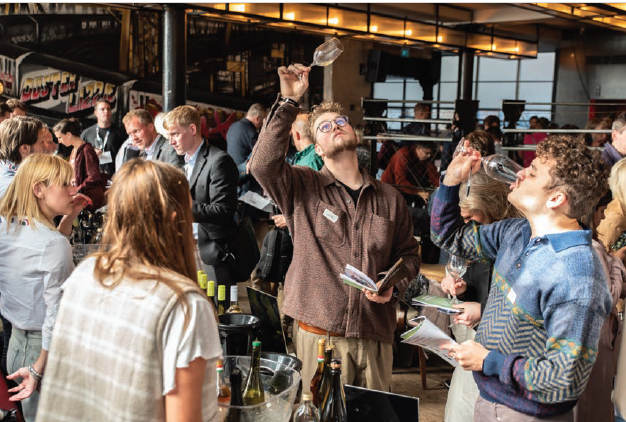
Exploration, certainly, was part of the experience at Wines of Hungary’s recent UK events. In London and Birmingham during October, buyers, retailers and sommeliers attended bustling hubs to showcase Hungarian production. With a room full of producers, they could explore Hungary’s six wine regions and 22 wine districts, hearing from winemakers and experts. It was a bustle of oenological discovery.
Even before you could reach the tasting hall, however, Patrick Schmitt MW kicked off each day with a masterclass. From traditional method sparkling wines to 6 Puttonyos Tokaji – via Furmint, Hárslevelu, Kékfrankos and more – he offered a taste of as much of Hungary as was possible in 10 bottles, while recognising it could not be enough. “My approach to these things is always very personal,” he commented. “These are the wines that excited me – the things I think are great and what I could fit into an hour and a half.”
Even over 90 minutes, the tasting served as a teaser as much as an education, with Schmitt highlighting some of his standout picks. Dry Furmint from Tokaji, for instance, is “one of the most exciting new arrivals to the world of wine”, he said, while Villány is producing “high points for reds”.
Renowned volcanic terroirs
A couple of themes also stood out. Hungary’s volcanic soils really align the country with the current vogue for volcanic wines. Moreover, as Schmitt highlighted, studies are backing up the trend with science: such terroirs have a quantifiable effect on the wines. He also praised Hungarians as “famously brilliant”, their inventiveness perhaps driving the sheer diversity on offer. More than enough evidence was to be found in the tasting room next-door, where attendees could explore and fill in the gaps in Schmitt’s whistle-stop tour.
Leaning into exploration, in fact, defined the day. That exploratory attitude is central to addressing one of Hungary’s key challenges. The unfamiliar language and native grapes mean Hungarian wine is less accessible to everyday consumers.
Wines of Hungary is educating consumers to highlight its production, emphasising a handful of key styles to act as gateways. Yet it is also embracing a broader approach to exploration. Marketing materials, including a new video presentation, emphasise Hungary’s volcanic terroirs. Food pairings place wine at the heart of social lives. There is even a card game to assist in deciphering common words on wine labels.
According to Garai, it amounts to a recognition that consumers, especially younger target markets, care most about experience. If Wines of Hungary can win them over there, accents on letters will not matter. “It’s not a problem if you cannot pronounce it, or you don’t know where it is,” she says. “Eventually, people will be able to say: ‘This is unpronounceable, but I know it, I’ve tasted it and I like it.’”
Wines of Hungary will continue its programme of events for the UK trade in 2026, which will be announced on thedrinksbusiness.com and our newsletters.
Related news
Areni Global: 'We have to find a way to make wine consumption safer' for women amid spiking fears
All the medallists from The Global Cabernet Franc Masters 2026


