



Valpolicella targets London’s fine dining scene
The Consorzio Valpolicella is targeting growth for Amarone and Valpolicella Superiore in the fine dining market, with London “a key market” for the wines of the region.
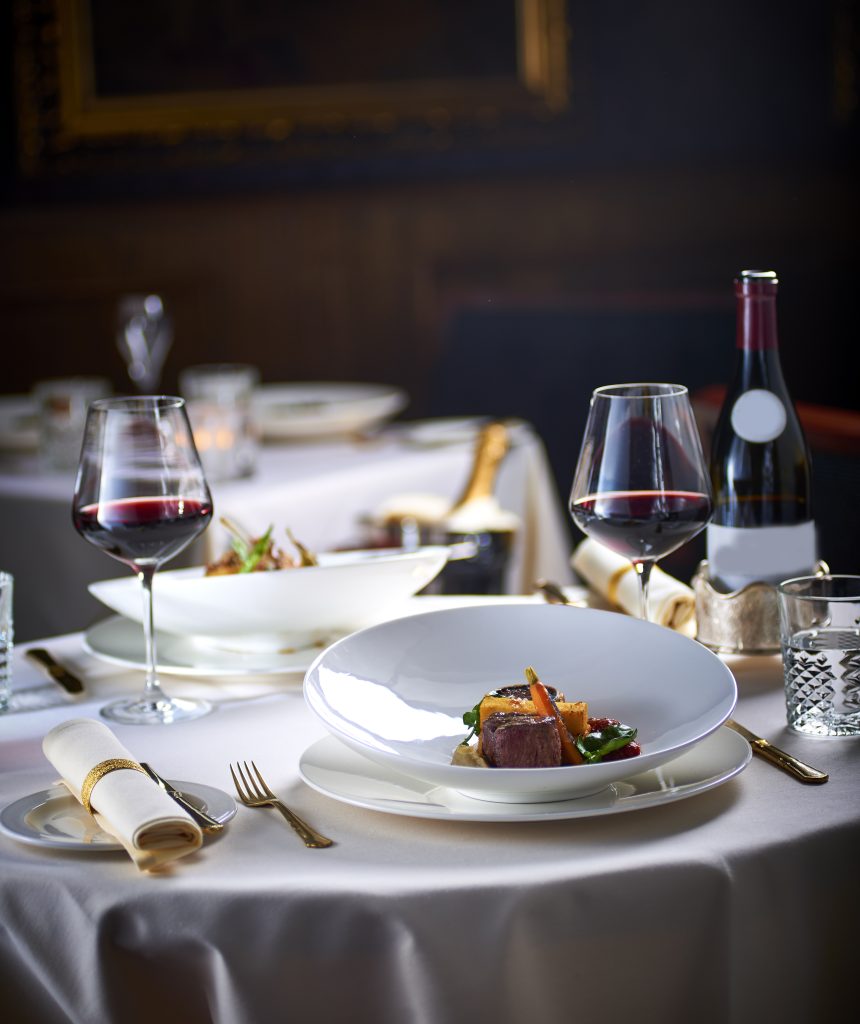
Speaking to the drinks business at last month’s Amarone Calling, a one-day showcase of Valpolicella’s famous wines at The Honourable Society of the Middle Temple in London, the Consorzio Valpolicella outlined the changes and challenges facing the region and how it is meeting them, with a spokesman arguing that “London is the right marketplace for premium wines, and we’re always trying to find the right location and situation for promoting our wines.”
As he pointed out, the market is changing all around the world, “not just for Valpolicella” but for all wine regions as more and more people switch to no- and low-alcohol, and white wines. This poses a problem for producers in Valpolicella, he admitted, but the appellation benefits hugely from the breadth of its wine offering, from the premium Amarone della Valpolicellas, created through the appassimento method, to the terroir wines of Valpolicella Superiore.
“We are lucky because we have these five wines – Valpolicella DOC, Valpolicella Superiore, Valpolicella Ripasso, Amarone della Valpolicella and Recioto della Valpolicella – and we are able to cover more-or-less all the moments and drinking occasions,” he pointed out.
But there have been a number of changes in recent years that is effecting change. He highlighted the impact of climate change for example, pointing out that grapes that weren’t able to ripen fully only twenty years ago, are now able to ripen “perfectly” during the vintage on the back of climate change.
“They are now fully ripe and ready [earlier], with some wines, such as Valpolicella Superior, needing just a year of oak,” he said. This means it can be increasingly positioned in fine dining as a “wine of terroir”, while its more entry-level sibling, Valpolicella DOC tends to be best positioned as a chilled aperitivo wine, tapping into the idea of ‘La Dolce Vita’.
Partner Content
The effect of climate change is also impacting Amarone della Valpolicella, as it allows producers to reduce the period of appassimento (from 3-4 months to 2-3 months) resulting in a wine with less alcohol. However this isn’t the only change – as an approach among producers is seeing a conscious move to make the style of the wines more gastronomic, meaning they can be suitably paired with “all the cuisines around the world”.
This is helping to fuel the drive to include Amarone della Valpolicella and Valpolicella Superiore more in the on-trade channel.
“In five years, we have changed the style of Amarone a lot, now it is more pairable because it has less residual sugar, you can keep the acidity and the longevity, and the wines are more gastronomic,” he said. “It is no more the ‘opulent’ style it was probably 15-20 years ago, when they were closer to Bordeaux-style wines. We are trying to find our own story, our own style, and it is obviously fresher, less alcoholic, with more red fruit notes, spicy notes and more vertical.”
This makes it more flexible than, say, a Barolo, which needs time in oak to soften the tannins. “You can get an Amarone from the last vintage, or you can wait for 20-years, and still see the beauty of Amarone,” he said. “It has that flexibility”.
Speaking at a masterclass during Amarone Calling, Italian wine expert Filippo Bartolotta agreed that “we are now in front of a new wave” for Amarone. “It’s changing gear and not just from a contents point-of-view but from the aesthetic,” he told the audience, highlighting the diversity of traditional and more modern styles through a flight of eight wines.

Related news
Amarone della Valpolicella 2021: balance, precision and a more contemporary voice
Valpolicella Consorzio to make Wine Paris debut in centenary year


