



Unesco grants Italian cuisine special cultural heritage status
Unesco has added Italian cooking traditions to its list of intangible cultural heritage, recognising the role cuisine plays in the nation’s identity. The move has been celebrated across Italy’s food and drink sector.
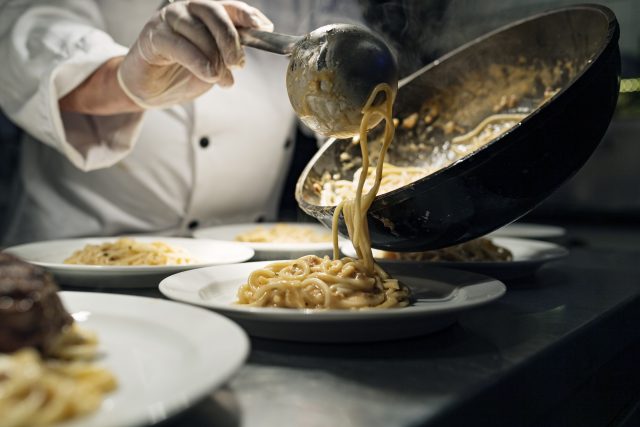
Italian cuisine joins Unesco’s cultural heritage list
Italian cooking has been awarded special cultural heritage status by Unesco, which confirmed the recognition during its assembly meeting in Delhi on Wednesday.
Although iconic dishes such as pizza were already listed, Unesco has now recognised the wider traditions of Italian cooking and the way they are practised and passed down. The agency described the cuisine as a “means of connecting with family and the community, whether at home, in schools, or through festivals, ceremonies and social gatherings.”
Prime Minister Giorgia Meloni, who has championed the bid since her election, said: “For us Italians, cuisine is not just food or a collection of recipes. It is so much more: it is culture, tradition, work, wealth.”
From Sicilian cannoli to Calabrian ’nduja, fans of Italian cooking insist the move simply confirms what they already believe.
The decision also saw Egypt’s koshary added to the list, alongside other food-related traditions already recognised globally, including washoku in Japan, Malaysia’s breakfast culture and the French gastronomic meal.
Industry leaders welcome boost for Italian food and wine
Chef Michelangelo Mammoliti told La Repubblica that the news filled him with “a great sense of pride”, both as an Italian and as a chef. Mammoliti heads La Rei Natura in Piedmont, the only new three-star restaurant in the 2026 Michelin Guide. He said: “Italy is one of the nations where regional cuisine has a very big impact on culture and traditions.”
Partner Content


Italy’s food and wine sector hopes the recognition will further strengthen tourism, which already brings 80 million international visitors to the country each year.
Luigi Scordamaglia, CEO of Filiera Italia — representing companies across the Italian food and wine production chain — called the announcement a success “for the entire Made in Italy supply chain”. He also highlighted the role of the Mediterranean diet in supporting good health, adding: “When we talk about the Mediterranean diet, we’re talking about our wonderful Italian cuisine, which shares its principles, first and foremost those of balance and variety.”
Other new additions to the list included Iceland’s swimming pool culture, the practice of Cuban Son music and dance, and Albania’s art of playing, singing and making the lahuta.
Related news
Vin de France gains ground in Bordeaux


