



Trend for mulled beer hits the UK
Following on from classic festive drinks of mulled wine and cider, the mulled beer trend is about to have its moment in the cauldron. But how do you make it? db looks into the recipe.
Heineken-owned brewery Beavertown has insisted that searches for “mulled beer” are up 126% in the past month. This, it suggested, is down to Brits “getting curious about more adventurous festive drinks” but could there be more to the trend? For instance, the spike in popularity of dark beers such as stout and porter along with the meteoric rise of brands such as Guinness continually growing in reverence.
Speaking to the drinks business, Beavertown head of innovation Sam Millard said: “Porters and stouts are the best fit beer base because they are more likely to be sweeter and more rounded and fruity, but a Belgian tripel that is golden and malty and rich would also work. Basically, you want very low hop flavour and low bitterness.”
Should pubs do it? Millard explained to db that “it depends if they carry the right kind of beer. If their only stout is Guinness, then don’t, as it’s not sweet enough, but if they have the right stuff, then why not!”
Millard suggested he would “use it to complement mulled wine by going chocolatey and coffee rather than fruity. So, for example, a low bitterness milk stout, with some Mr Black’s coffee liqueur or Kahlua, a cinnamon stick, a vanilla pod, and a few cardamom pods, would work nicely”.
Describing the trend as a whole, Millard said: “Mulled beer is a fun, alternative festive drink that lives slightly in the shadow of the Christmas market favourite, mulled wine. Mulled beer is a unique and indulgent treat – with stouts and porters offering a great, rich, malty base for different festive spices and flavours.”
‘The ultimate Christmas drink’
Hinting at its appeal, Millard pointed out that “the real beauty of mulled beer is that it’s easy to make at home, so you can experiment with your favourite brews and flavours to create the ultimate Christmas drink”.
“The secret to making a great DIY mulled beer is in choosing the right base. The best results will come from a rich, malty profile or a sweet brown ale,” suggested Millard, who explained that “just like when mulling wine or cider, you need a base that is already really rich, full-flavoured and most importantly, not at all bitter. You ideally want something with a bit of body too, so ensure your beer is not too thin.”
According to Millard: “While you may be tempted to use a super-hoppy IPA, keep in mind that its bitterness could overpower your chosen spices and throw everything off balance. We recommend sticking to beers that will let your other ingredients shine. Save those IPAs for another time when you can savour and enjoy them solo.”
Partner Content




How to make mulled beer
First, select “a stout or porter ale” or “look for beers that are low in hops and high in flavour, whether that’s from malt, fruit, or existing spice blends” said Millard, who advised: “Choose beers that already have a sweetness to them as well as a low level of bitterness – these beers could have notes of chocolate, nuts, honey, or fruit. The basic rule is to taste it before you mull it, and if there is any hint of bitterness, opt for something else.”
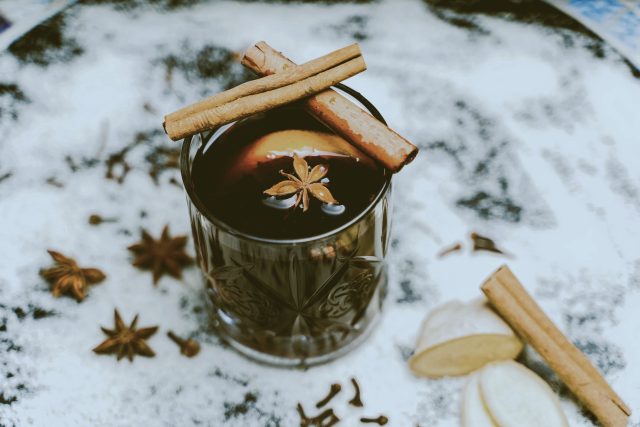
Then, he stated: “Add your chosen spices and seasonings. Festive aromatics such as cinnamon sticks, star anise, and ginger fuse well with beer to create a warming and light cocktail.”
According to the brewery, “cinnamon sticks, star anise, and vanilla pods pair well with stouts, porters, and fruity beers, while ginger enhances the flavours of lighter, brown ales – cutting through the sweetness with a spicy kick”.
Experiment with garnishes
Looking to lay on extra aromas as well as dress the drink? The advice noted that “orange or lemon peels and dried fruits can bring a citrusy lightness to your cocktail” and so you could always “add these in with your chosen spices before bringing your mixture to a simmer”.
Millard highlighted that it is important to: “be careful to avoid boiling the beer mixture – you want the ingredients to infuse together at a low heat as boiling can lead to harsh, bitter flavours. Once you see soft bubbles breaking the surface of your mixture, stir occasionally to help everything mix and remove from the heat after 10 minutes”.
He also flagged that “if your chosen brew is fizzy, let it sit before you heat it and make sure to taste it once it’s gone flat as the bubbles from carbonation can alter your perception of the flavour, and they won’t be there once you’ve simmered them all away”.
According to Millard, a “10-minute simmer is the sweet spot for mulling beer as it preserves the beer’s flavours and prevents it from becoming flat or overly reduced. Don’t worry, this quick process also allows enough time for your chosen additions to infuse”.
Depth and indulgence
Other pieces of advice offered suggested that “if you’re looking to add more depth to your mulled beer, after tasting, you can consider adding a sweetener such as honey or brown sugar to balance any bitterness”. Similarly, Millard added that “if you’re looking for something more indulgent, you can also consider adding in a splash of brandy, rum or whisky to deepen the richness of your cocktail”.
Related news
Beer goggles: Guinness binoculars now available


