



The packaging debate: should we judge a wine by its cover?
For wine brands, communicating luxury begins with look and feel. But how big a part does packaging play in influencing consumer choice? Eloise Feilden finds out.
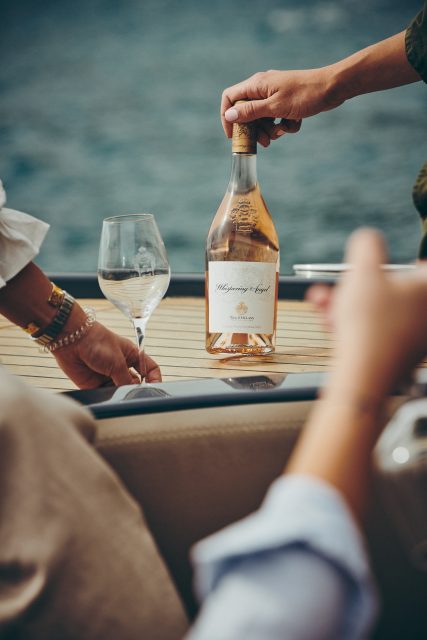
“Packaging is paramount,” says Thomas Schreckinger, director of communications at Château d’Esclans, who explains that the wine producer has always relied on visual appeal to attract consumers.
Gabriela Coutinho, global marketing director at Kopke Group, agrees. “Design and packaging is always important if you want to ensure consistency with how the quality of a liquid is perceived,” she says.
But when it comes to design, tastes vary considerably, particularly across cultures and regions. Wine brands need to know who their consumer is.
Charlotte Symington is a fifth-generation family member and associate director of marketing at Symington Family Estates. For her, appealing to local tastes is critical when considering packaging and design. “Some markets respond to understated, classic elegance that signals heritage, while others value bolder visual cues that help stand-out on shelf,” she says.
Partner Content


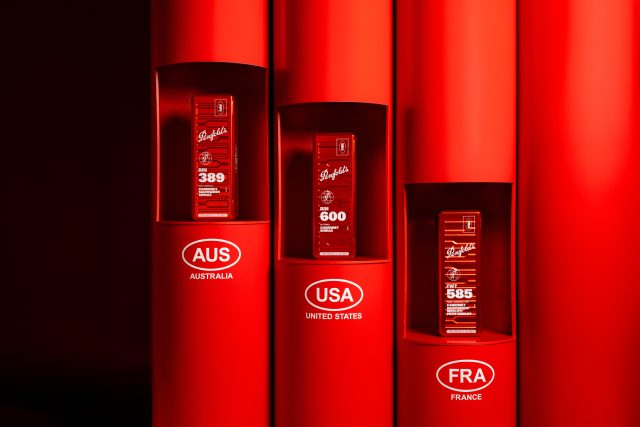
In Asia, for example, decadent packaging still reigns supreme. According to Kristy Keyte, chief marketing officer at Penfolds, visual and tactile elements of packaging become “paramount” when targeting consumers in Asia, and particularly in China. “Luxury consumers expect a sense of theatre and craftsmanship in every detail, especially for gifting occasions,” she says. “In Asia, for example, luxury is often intertwined with gifting, status and the celebration of milestones.” So Penfolds focuses on creating collectible editions, bespoke packaging and immersive experiences in Asian markets to “elevate the act of giving and receiving wine”.
But brands must avoid a one-size-fits-all approach to design.
“In EMEA, the prestige on-trade plays an important role in shaping perceptions of luxury,” Keyte says, suggesting that packaging, which is particularly important on a retail shelf, takes a back seat in countries where the on-trade dominates. Instead, “in thriving luxury lighthouse cities such as London and Dubai, we work closely with our on-trade partners to ensure Penfolds is featured in curated wine lists and paired with exceptional cuisine in the cities’ most exclusive venues”, Keyte says.
James Simpson, MD at Pol Roger Portfolio in the UK, goes one step further, arguing that packaging is becoming a less important aspect of what consumers look for. “Luxury is less now about swanky packaging, and huge boxes and glass extravaganzas, than it is about the quality of what is in the bottle,” he says. “Great labels with sensible bottles, sustainable, elegant packaging which isn’t full of plastic, seems to be the trend that is here to stay. One should look smart without looking overly designed and packaged. Leave that to the perfume houses.”
Related news
La place’s spring collection 2026: additional tasting notes
Japan wine imports dip in volume but rise in value in 2025
Sotheby's global wine and spirits sales achieve US$127.5 million


