



Tasmanian baijiu: ‘Even if it sucks, it’s something to laugh about’
Australian native Ian Sypkes has taken on the challenge of producing baijiu, China’s national spirit, in Tasmania. But can he win over Chinese consumers? Joyce Yip reports.
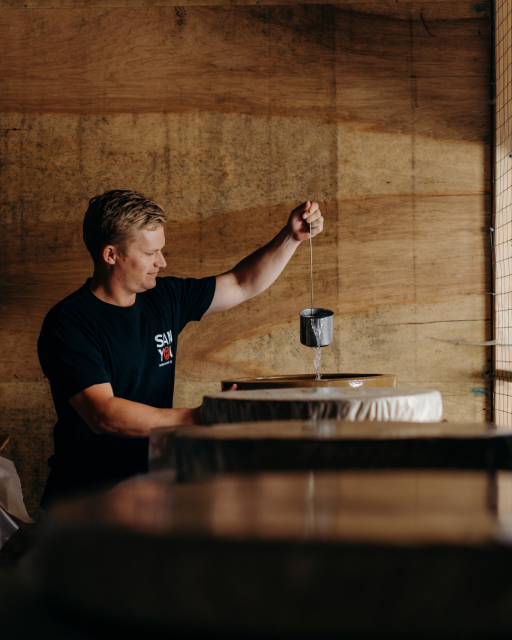
Ian Sypkes – a former civil engineer in Tasmania – has begun producing baijiu in Launceston, a city in the northwest of Australia’s island state.
Baijiu, a Chinese distilled grain spirit whose name translates to ‘white liquor’, is typically made from fermented sorghum. The spirit, which has an ABV that averages 50% or higher, has the highest global sales of any spirits category, but the vast majority of these sales are domestic, with very little representation internationally. Chinese baijiu maker Kweichow Moutai is the leading global alcohol producer, with a market cap of HK$1.95 trillion. In comparison, European spirits giants Diageo and Pernod Ricard have market caps of HK$372.32 billion and HK$171.48bn respectively.
Often the drink of choice for celebrations and business meetings, baijiu holds strong cultural significance in China.
So when Sypkes founded Sanyou, his Tasmanian baijiu brand, in 2018, it was with an eye to capitalise on the thirst for the spirit in the Chinese mainland.
Sanyou translates to ‘three friends’ in Mandarin Chinese – indicative of the brand’s three founders, two of whom remain today; Sypkes runs the brand with co-founder Tim Ye.
Sypkes’ journey to the Chinese spirit began when – at the end of 2017 – he failed to recognise the names of the baijiu producers responsible for half of the top-selling drinks in the world.
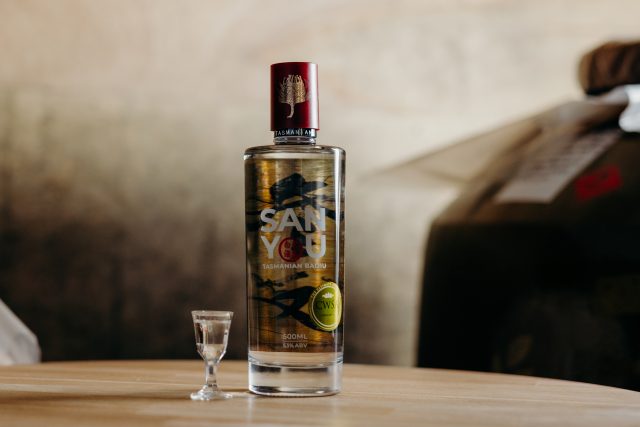
“It’s pretty incredible to be discovering something new at 29 years old that’s so high on the radar for everyone else,” he says. “Once I learned that baijiu is made in a wild ferment, I began to wonder whether we can make it happen in Tasmania.”
Currently, baijiu does not have a geographical indication, meaning it can be made anywhere in the world.
Partner Content

In 2018, on a mission to build a Tasmanian baijiu brand, Sypkes and co-founder Ye learned the ropes from historic baijiu producers including Ronghe Distillery in Guizhou province’s Moutai region, where most of the top-selling baijiu are born.
Baijius made in China tend to fall into one of four common flavour categories – strong, light, rice or sauce. Today, Sanyou is an amalgamation of strong and sauce styles, classified by fruity, sweet and overripe pineapple notes in the former; and in the latter, hints of soy sauce, fermented beans and mushrooms.
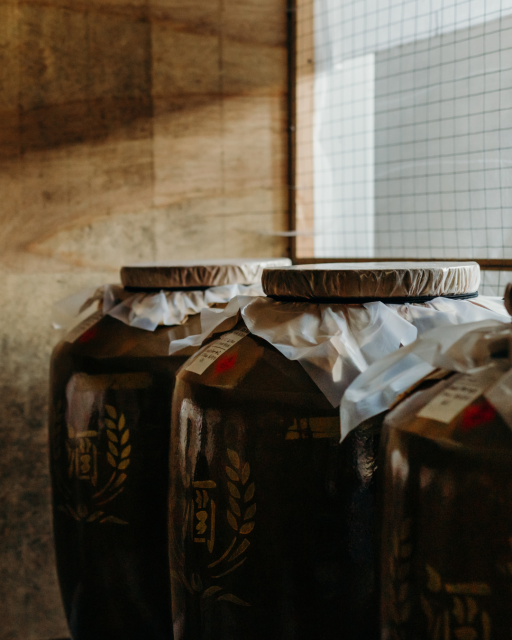
Sanyou’s production starts by steaming red sorghum from Northern New South Wales in steel tanks. The ferment is then cooled to 20°C. Powdered Qu – the starter culture – of Tasmanian wheat is sprinkled on top. The mash is placed into concrete fermentation tanks for 45 days and undergoes ageing in clay pots. At 53% ABV, Sanyou tops an annual production of 4,500 litres.
Sypkes, now 36, explains that Sanyou’s Australian-exclusive ingredients and the strong and sauce aroma combination offers a good segway for novice baijiu drinkers.
“I will never make the best baijiu in the world,” he says. “Perhaps what we’re doing is…a poor man’s version of what [traditional baijiu makers] have been doing for so long.”
But the Tasmanian baijiu maker admits: “We just can’t stand up to the history of baijiu in China.”
Aside from a core line, Sanyou also features expressions that are infused with cherry or finished in Port and Sherry barrels.
Currently, Sanyou is sold online, at drinks fairs and markets, where it’s sometimes mixed into a citrus-forward cocktail. Sypkes hopes to expand his distribution channels next year, prioritising Chinese diaspora, Asian restaurants across Australia and eventually onto the tables of businesses lunches between the two countries.
“Sanyou is a great ice breaker between two cultures,” he says. Sypkes is hopeful he can win over Chinese consumers, even if via novelty factor. He says: “Even if it sucks, it’s something to laugh about.”
Related news
Bar serves cocktails disguised as pints for football fans


