



Rotari brings mountain-born sparkle to the holiday season
Trentodoc producer Rotari is suggesting a new favourite for the holiday season: the two wines in its Cuvée 28 range offer traditional method sparkling through an alpine lens.
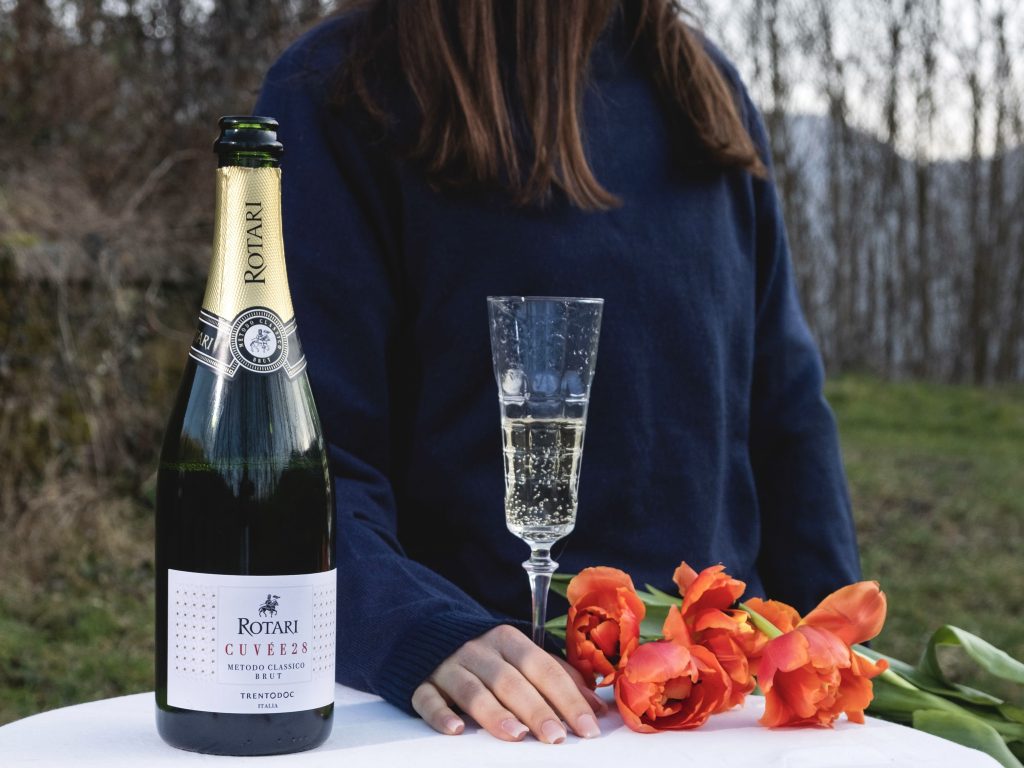
Festive fizz is big business, but there are certain archetypes that appear on the dining table year after year. Champagne is, of course, the most traditional option, its luxury association immortalised in centuries of literature and art. Prosecco has in recent years surged in popularity, especially in the UK and US markets, offering a less expensive option for something sparkling and celebratory.
The world of sparkling wine, however, is not just two regions. Consumers are increasingly willing to look further afield, particularly when it comes to traditional method sparkling wines that can offer complexity and nuance from very different terroirs to Champagne. Producers like Rotari, based in Trentino in the north of Italy, are taking advantage.
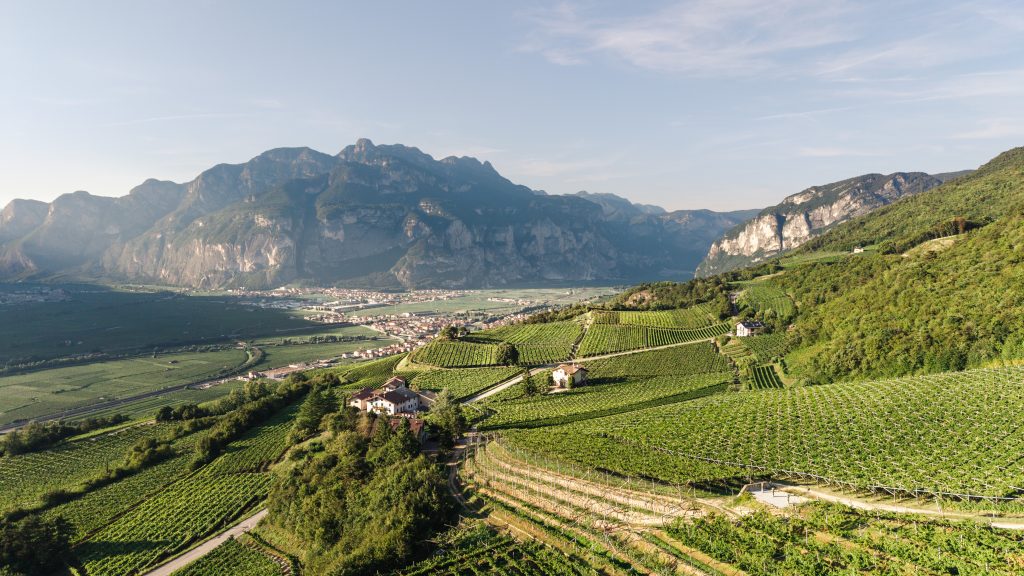
In the foothills of the Alps, Rotari finds a unique terroir. While many sparkling wine regions derive freshness from higher latitude, in this corner of Italy, the cooling influence of the mountains is the driving factor behind the wines’ elegance. Cooler air and breezes whistling through mountain passes help to maintain the acidity in the grapes, but the Italian sunshine means allows for supple, ripe aromas.
The grape varieties used are stalwarts of fine sparkling wine: Chardonnay and Pinot Noir, hand harvested to keep them in optimum condition. The two varieties are known for their elegance but also – crucially – their ability to express terroir. Thus the complex geology of the Alps nurtures concentrated grapes that can express themselves over periods of extended ageing.
Prestige from patience
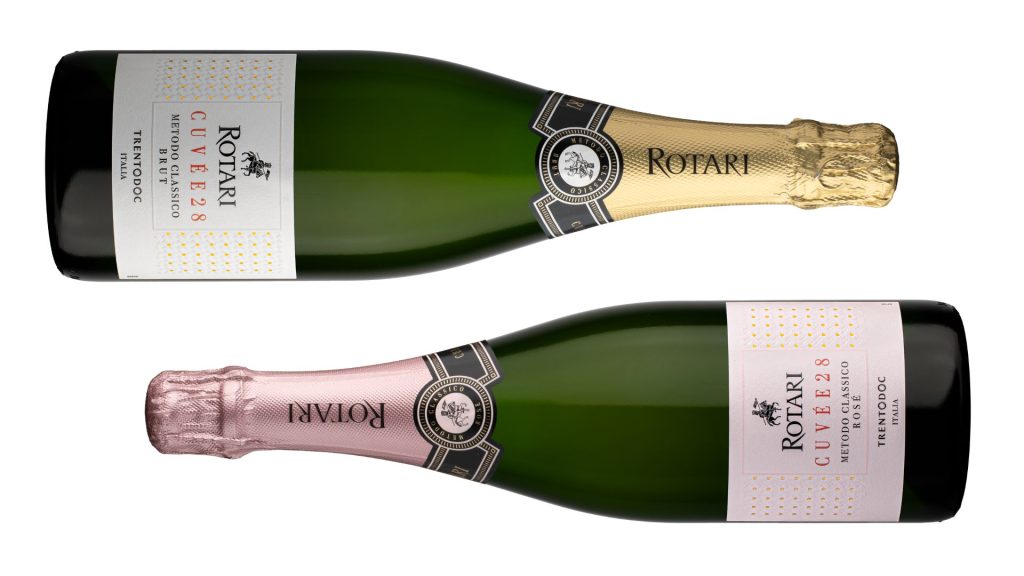
Within Rotari’s selection of Trentodoc wines it is particularly highlighting its Cuvée 28 range as a luxurious choice for the holidays. The two wines – a pure Chardonnay and rosé from Chardonnay and Pinot Noir – show the alpine terroir that distinguishes the winery, as well as a patient approach to winemaking.
The bottles are so named because they spend at least 28 months ageing on their lees. This slow process softens the wines, without them losing their characteristic minerality and finesse. Indeed, Rotari is content to permit its patience even further; though that is the minimum time spent maturing with the lees, in recent years the average ageing has extended well beyond that.
Once ready for release, the pure Chardonnay shows its many influences. The Italian sunshine is reflected in its welcoming note of yellow plum, while its alpine terroir is evident in a fresh, structured profile with mineral notes. Its time spent ageing on the lees, meanwhile, shines through in notes of hazelnut and almond, as well as in its fine mousse.
The rosé displays many of the same hallmarks: a refined mousse, with tension and energy on the palate. Just like the white, it conveys the story of its vineyards and the patient winemaking. The Pinot noir in the blend, however, introduces its own nuances: wild strawberry and redcurrant aromas.
Related news
The highlights of the hors Bordeaux 2026 Spring collection
Santiago Marone Cinzano: 'my generation wants wines that are ready to drink'
Raise a glass to Cabernet excellence: enter The Global Cabernet Sauvignon Masters 2026


