



RoboDrop: can driverless cars rescue US booze sales?
The drinks trade need not fret about the present malaise of the American appetite for alcohol. The Seventh Cavalry is riding over the hill to rescue it – in a fleet of robotaxis, says Ron Emler.
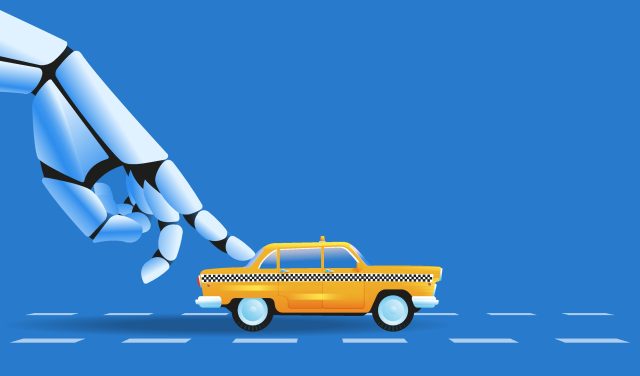
This is the view of analysts at Barclays who have calculated that the rise of no-driver fleets of hire cars will drive a US$42 billion boom in consumption over the next decade.
With car use in the US the highest in the world, people will use robotaxis instead of driving themselves, they believe, rendering social drinking safer, more convenient and more frequent.
“We believe the market has not considered this impact on alcohol consumption, in particular for the US,” the analysts said.
Uber, Tesla and Waymo have started to launch waves of new autonomous vehicles across US cities. Barclays calculated that demand will rise by between 10% and15% a year in the next decade.
Partner Content

Following a year of testing, 2026 is set to see Waymo’s fleet grow into the thousands. Having launched in Austin, Texas in June and expanded into San Francisco in July, the company is expected to operate in at least eight US metro areas by the end of the year.
“We believe governments will welcome robotaxis due to their perceived enhanced safety when compared to a human driver, and the reduced drink-driving risk,” Barclays said.
This, they expect, will “amplify the behavioural shift of increased alcohol consumption seen in traditional ride-hailing methods through providing more flexible transportation options, and more affordable travel, making it easier for people to socialise and consume alcohol without worrying about driving home”.
The predicted US$42 billion surge in US alcohol consumption over the next decade, Barclays calculated, will boost the big global drinks giants such as AB InBev, Diageo, Pernod Ricard, Constellation Brands and Campari.
By 2035, robotaxis could be as affordable as public transport, Barclays tech analysts suggested, at just $0.20-$0.30 per mile, which would make spontaneous nights out easier and more frequent.
Related news
VIK 2022: ‘the beginning of a journey toward self-sufficiency’


