



Rías Baixas achieves record sales in the US
The Spanish region famous for its Albariño wines has reported record annual sales in the US, its leading export market, amounting to US$25.8 million.
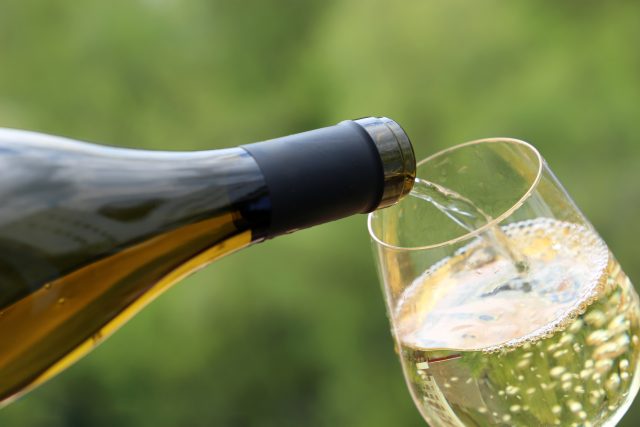
Exports of Rías Baixas wines to the US reached record highs this year, climbing to $25.8 million in value (up 1.6% year-on-year) and 2.925 million litres in volume (up 2.6%).
DO Rías Baixas said that the value growth comes despite the DO lowering its prices to help US distributors navigate the new import/export tariffs (the average price per litre of Rías Baixas wines fell by 1% –from €7.99 to €7.91 ex-cellar – between 1 September 2024 and 31 August 2025). The DO said the drop “reflects the region’s commitment to supporting global partners navigating economic pressures such as tariffs.”
Analysts in DO Rías Baixas credit the sales growth to “consistent quality recognition and high demand for Albariño wines”.
‘The new face of Spanish white wine’
And while the US is the leading global export market for Albariño wines of Rías Baixas, with 34% of total share by volume, the uptick reflects a wider global trend, as reported in db’s Spain Report 2025.
Eva Minguez, marketing director for DO Rias Baixas, told the drinks business that total export sales were up 6.82% in volume and 7.2% in value this year compared with the 2023/24 campaign.
“We foresee 2026 being an exciting year,” she added.
The DO attributes much of its success to the Vinos de Colección quality tier that explores the full potential of Albariño, including wines with lees ageing from six months to five years; single vineyard cuvées; trials with wood contact, and sparkling expressions.
Resilience
Beyond these, Albariño has another important string to its bow: resilience.
“With its natural acidity, Albariño will produce lively white wines even when other areas of Spain struggle to produce balanced whites,” said Minguez.
As if to illustrate this point to the letter, 2025’s harvest looks to be both high-quality and high-quantity. “We are thrilled to confirm a record harvest of 47.5 million kg this year,” Minguez told db. “Congratulations to our 4,960 growers who hand-harvested 4,808ha of vineyard (that’s less than 1ha per grower on average).”
Also speaking to db, Robustiano Fariña, owner of Rías Baixas producer Attis, declared: “Albariño embodies the new face of Spanish white wine – fresh, expressive and terroir-driven. Albariño is extremely versatile and can craft everything from youthful, vibrant wines to serious, age-worthy bottlings, and its adaptability to climate change gives it real longevity as Spain’s ‘hero’ white variety.”
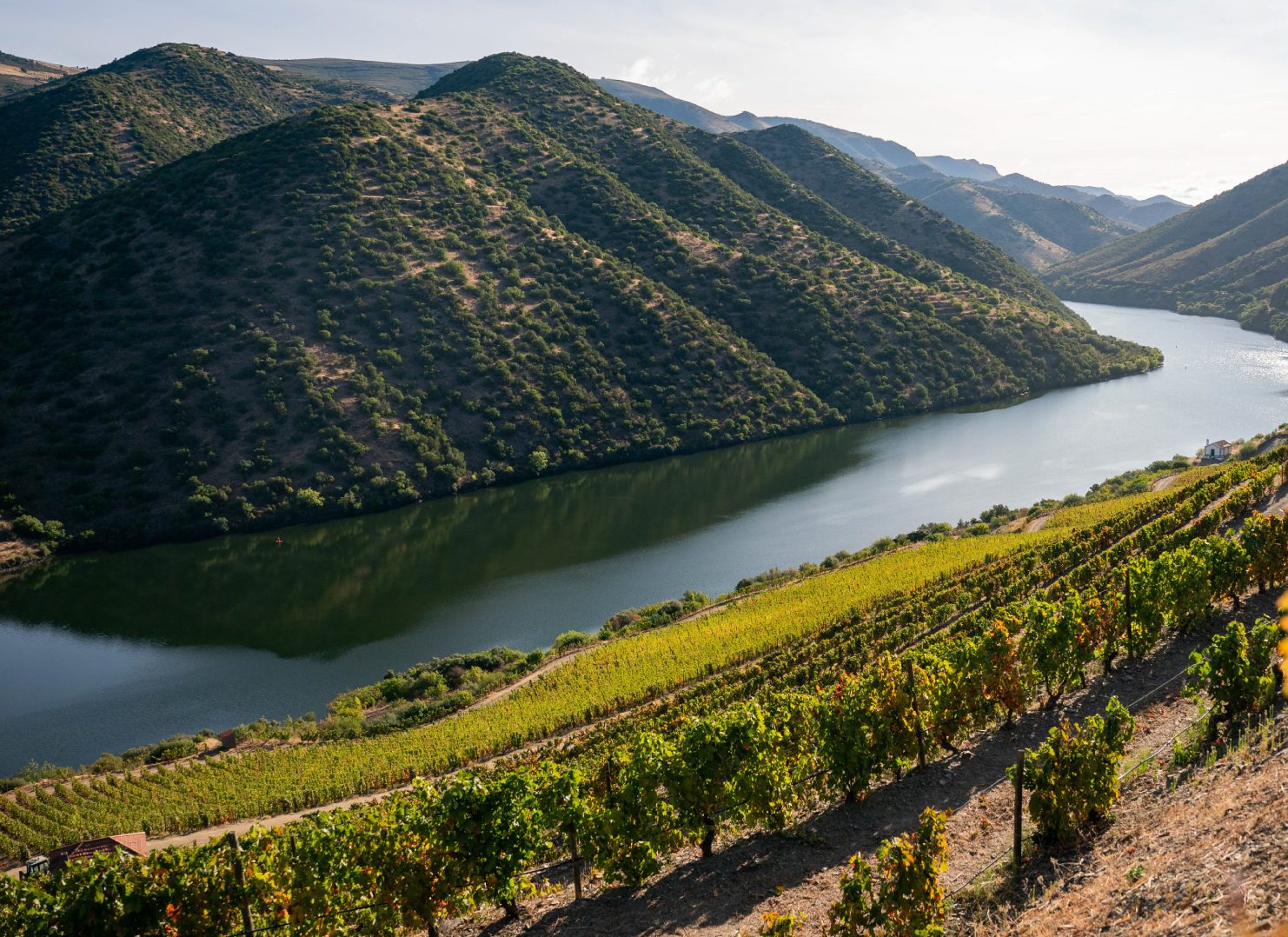
Between 2012 and 2022, Attis alone upped its Albariño production from 30,000 bottles a year to 300,000 bottles, and the producer intends to increase this by a further 10% in 2026. Based in Val do Salnés, a corner of Rías Baixas that is gaining fame for its characterful Albariño, the uniqueness of the wines “comes from the fact that we are sitting right on the Atlantic coast, and we profit from that influence – it adds tremendous character,” said Fariña. “Humidity and cool breezes from the ocean, together with granitic soils, result in vibrant acidity, precise aromatics and the mineral saline touch in the wines that is so characteristic of Salnés.”
Perhaps few are better acquainted with the force of nature that is the Atlantic Ocean than Attis. For three generations its founding family have been fishermen and mussel farmers, as well as wine growers. “Our work gives us the best possible understanding of the Atlantic from all perspectives,” Fariña said.
Granite-aged
Just minutes down the road from Attis along this strip of windswept coast is fellow Albariño pioneer Mar de Frades. “Here, on the ocean’s edge, Albariño develops a remarkably complex profile – combining floral and tropical aromas with freshness, depth and a rounded texture that reflects its maritime origins,” explained winemaker Paula Fandiño. She highlights the benefits of Albariño being “a long-lived variety that responds beautifully to different winemaking and ageing vessels – whether concrete, wood, stainless steel or even granite.”
Partner Content


Familia Torres, for example, recently released Blanco Granito, which it claims is the first 100% Albariño to be vinified and aged in Galician granite, the predominant bedrock in Rías Baixas. “Produced at the Pazo Torres Penelas winery, the wine is both fermented and aged in Galician granite, using egg-shaped vats crafted from the region’s granite,” said R&D director Mireia Torres. “The granite’s porosity allows for gentle micro-oxygenation, enhancing the wine’s aromatic complexity and imparting a subtle, earthy salinity. The unique shape of the vats keeps the lees in suspension, resulting in greater mouthfeel and volume.” According to Torres, Blanco Granito is marked by pronounced acidity “and a huge personality”.
2025 vintage
Attis’ Fariña said that consumers can expect “precise, long-lived Albariños with saline drive and wonderful definition” from vintage 2025. For Fandiño at Mar de Frades, this year has also proffered a generous harvest, “giving us the opportunity to be particularly selective and to work with grapes of exceptional quality”. She adds that vintage 2025 has been characterised by warm conditions, “which are reflected in the grapes’.
At Bodegas Granbazán, export manager Cristina Domínguez reports that the “abundant harvest” has led to higher volumes than last year. “This gives us some flexibility for 2026 while maintaining tight control over parcel selection for our most premium ranges. We believe Albariño has enormous potential to further strengthen its position in premium segments.”
Indeed, a rising number of wineries are creating different quality tiers of Albariño wines, offering consumers the opportunity to trade up.
At Mar de Frades, “our most exciting area of innovation lies in our single-vineyard wines”, says Fandiño. “We are deepening our understanding of the microclimates in each vineyard – how they influence the vines and how these interpret each growing season and the soil.”
Sparkling Albariño
The region could have a bright future in fizz too, with the DO’s Minguez also pointing towards Rías Baixas’ growing prowess as a sparkling wine producer. “Several wineries are now creating sparkling Albariños using the traditional method – an absolutely delicious expression of the variety,” she says.
Intriguingly, Attis’ Fariña told db it is working with a “well-known Cava producer” to help fine-tune its sparkling offer, hinting at an exciting project to come in the future.
However, in a region where climatic conditions make shunning sprays extremely challenging, how can Rías Baixas ensure its soil health remains in tip-top condition in years to come, whether for still or sparkling wines?
“Growers in Rías Baixas are committed to sustainability, as it’s intrinsic to our tradition of ‘minifundio’ or ‘small-scale cultivation’,” said Minguez. “There are a growing number of organic, biodynamic and integrated projects, with others studying how to reduce the use of treatments. The challenge lies in the humid climate of the region, whereas most of Spain is quite dry.”
Fariña further explained the difficulties producers in the region face: “We have 2,000mm of rainfall per year and enormous disease threat in Val do Salnés,” he said. “Galicia’s conditions are challenging, but we believe sustainable viticulture is the future for small, valued regions like ours. We are sustainable in philosophy, always try to go for minimum intervention and are immersed in a regenerative viticulture project to try to find the balance of our vineyards in the best possible way.”
Godello “one to watch”
Albariño might be the queen of Rías Baixas, but the DO also permits the cultivation of other white grapes: Treixadura, Loureiro, Caíño Blanco, Torrontés, Godello and Ratiño Gallega. Godello, particularly, is making waves, with Luis Gamiz, business development manager at Indigo Wine, telling db “it’s one to watch as an Albariño alternative”, especially as prices continue to climb for the latter.
“Both varieties are grown in Galicia, but Godello is typically from the sub-regions of Valdeorras, Monterrei, Ribeira Sacra or Bierzo in Castilla y León, rather than the more coastal Rías Baixas for Albariño,” he said. “I think the skyrocketing price of Albariño grapes has forced sommeliers, wine professionals and consumers to look at Godello, which being lower-yielding is less prone to making inexpensive wines, instead often giving more intense and aromatic profiles. It is a versatile variety that handles oak well and makes rounder, fuller-bodied wines compared with Albariño.”
Related news
Taste Spain London to immerse visitors in Spanish produce
Zamora Company to distribute Bottega sparkling wines in Spain
Why wine tourism matters more than ever: FINE 2026 heads back to Spain


