



Perrier-Jouët: Why Champagne will keep shining despite major challenges
Séverine Frerson, Perrier-Jouët’s first female cellar master, talks to Amelie Maurice-Jones about tackling climate change, bringing ‘passion, memory and intuition’ to the maison, and why Champagne has many reasons to be optimistic despite sinking sales.
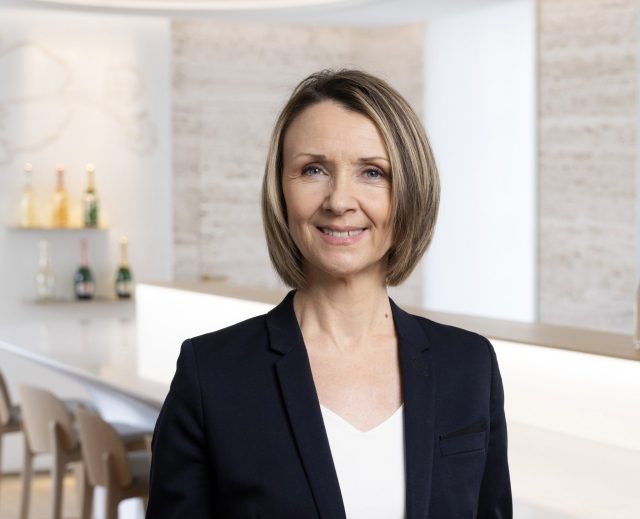
Last month, the drinks business attended Perrier-Jouët winemaker Séverine Frerson’s first vins clairs masterclass in London, where the winery illustrated that it’s a business in motion.
This is something Frerson, who is Perrier-Jouët’s first female winemaker, reiterates, when she tells the drinks business: “Champagne is not static: it reinvents itself with each vintage, allowing it to remain relevant, desirable and vibrant. Challenges exist, but Champagne has always been able to adapt, and today more than ever, it has the talent, tools and aura necessary to continue to shine.”
It’s a statement of resilience given the category, with the total number of Champagne shipments from France dropping by 10% in 2024. This September, Giles Fallowfield worried that the outlook for luxury fizz remained “fairly gloomy”, with shipments in the eight months to the end of August declining by 1.8% on the already low figure achieved in 2024, to 145m bottles. In March, db editor Patrick Schmitt MW queried, has Champagne become too expensive? Prices have ticked up by around 25% since 2022, as a result of the rising cost of grapes, energy, wages, dry goods and interest rates. But that’s just one challenge the region is facing: add to that, increased competition from other sparkling wines like Prosecco, Crémant and Cava, and changing consumer tastes.
Flute half full
But Frerson reminds that “although the future of Champagne faces major challenges, there are also many reasons to be optimistic.” The Champagne industry is one of the most advanced in the world in terms of wine research, adaptation to climate change and sustainable practices, she explains. “The results are already visible: more consistent ripeness, reinvented styles and new production techniques.”
The fizz has come a long way since it was known as the ‘devil’s wine’ in the 17th century (haphazardly-made glass bottles would explode at random, maiming, sometimes fatally, those unluckily in its wake). Today, as Frerson puts it, “Champagne remains a universal symbol of celebration, elegance and expertise.”
Partner Content
She goes on: “Its global reputation is unmatched: few regions can rely on such an image. Both Champagne houses and independent winegrowers are exploring new styles, terroirs and blends. This diversity is attracting a new generation of curious enthusiasts.” So what’s the evidence for that? Well, younger consumers in the UK, US and France are making fizz an everyday choice rather than something reserved for special occasions, which could have a knock on positive effect for Champagne. On the production side of things, there’s also a wave of young winemakers who aren’t afraid to try new things and push the category in a fresh direction.
Working with nature
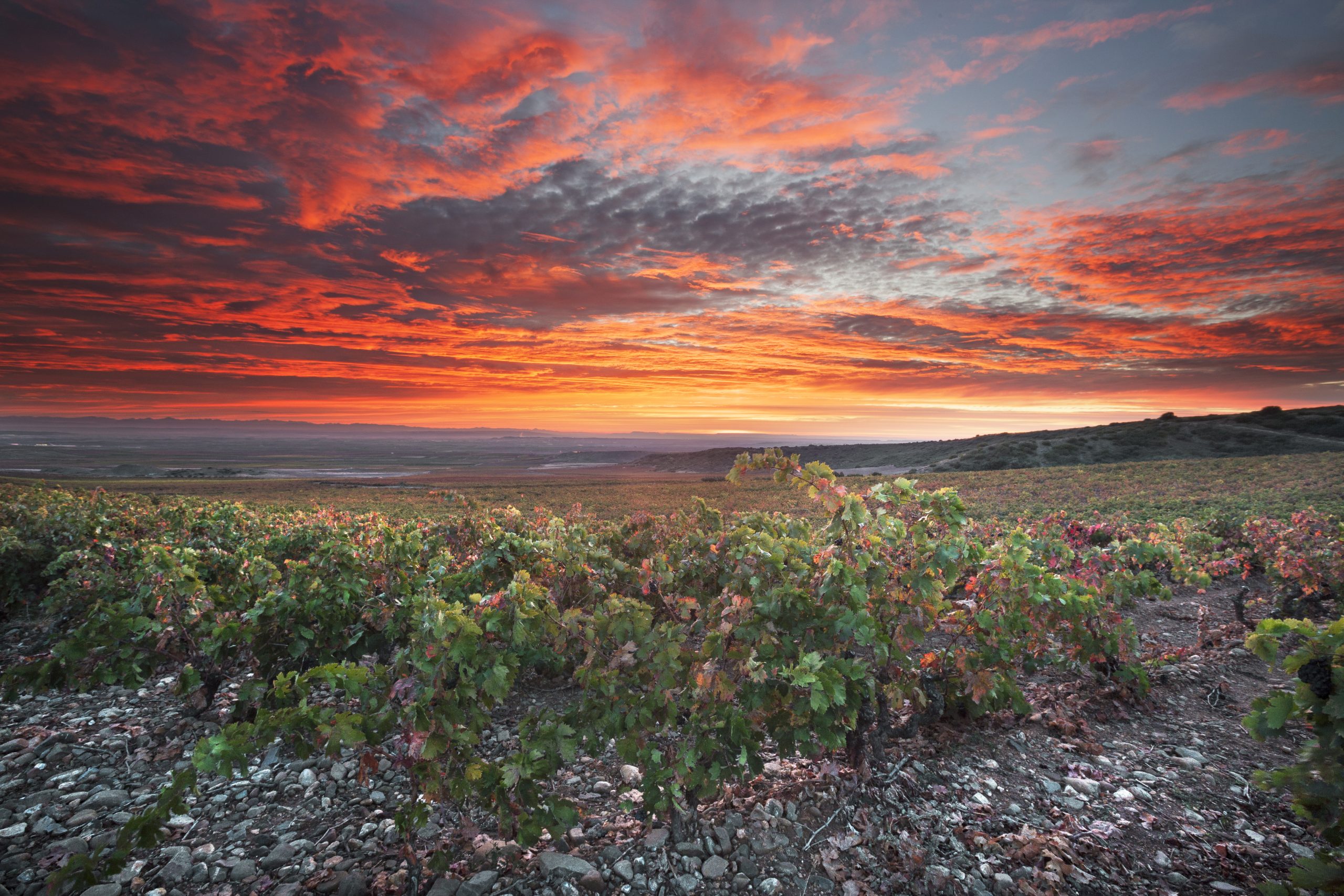
Take Frerson for example, who became cellar master at Perrier-Jouët in 2020. What’s changed since then? “Six years ago, we discussed the implementation of regenerative viticulture in our Perrier-Jouët vineyard,” she tells db. “Today, we have five years of experimental research on the conversion of our soils, as well as on the impact of these trials on the wines from Perrier-Jouët’s plots. During these years of experimental study, we have encountered quite different climatic conditions, with harvests in September and harvests in August. The effect on our biomass-covered or flower-covered wines brings out characteristics that are highly complementary to the floral and elegant style of Perrier-Jouët.”
She lists the ways she’s working to mitigate climate change: “I worked on reserve wines used in the liqueur de dégorgement, made from Chardonnay, in order to extend the floral signature of each cuvée. I also reintroduced a cellar with large oak casks and barrels for the vinification of part of our Chardonnays, to enhance the fine and delicate texture of Perrier-Jouët wines.” For more than two centuries, the producer has chosen Chardonnay as the house’s signature grape variety, developing its own floral style. “Since 2020, with climate change and August harvests, depending on the tasting of the wines after alcoholic fermentation, a portion of the wines is prevented from undergoing malolactic fermentation in order to preserve natural freshness,” Frerson adds.
A native of the Champagne region, Séverine discovered her passion for wine from an early age, leading her to pursue advanced studies in oenology at the University of Reims. She went on to spend 16 years at Piper-Heidsieck, where she worked her way up to become cellar master before joining Perrier-Jouët in 2018.
Continuing a sparkling legacy
There have only been seven other cellar masters in Perrier-Jouët’s history since its origin in 1811, and as the eighth, Frerson is carrying on the baton: “The cellar master is both the memory of a style and a legacy that is passed down from cellar master to cellar master, while evolving in harmony with nature,” describes Frerson. It’s clearly more than just a day job: “When one becomes the cellar master of a House like Perrier-Jouët, one’s mission is to stay faithful to the style of the House while also bringing something new, a personal touch.”
So what’s hers? For starters, there’s her approach to describing wines in terms of texture, which helps to “create a more complete perception of their character”. But mainly it’s about her attitude: “My added touch to the Perrier-Jouët Champagnes would be through my passion, memory and intuition,” she explains. They are traits that guide her decisions as she “strives for excellence” in crafting Champagne.
Related news
Champagne Dom Pérignon launches ‘smallest blend ever’
How Champagne Drappier is cementing its position in the Aube
Shoppers willing to pay nearly 10% more for sustainable products


