



Orma and Oreno: ‘Sometimes we take a little bit of the fashion world’
With Orma and Oreno, the Moretti Cuseri family have become standard bearers for modern Tuscan winemaking, evolving with the times to meet the demands of today’s fine wine consumers – even in a vintage as challenging as 2023. Richard Woodard reports.
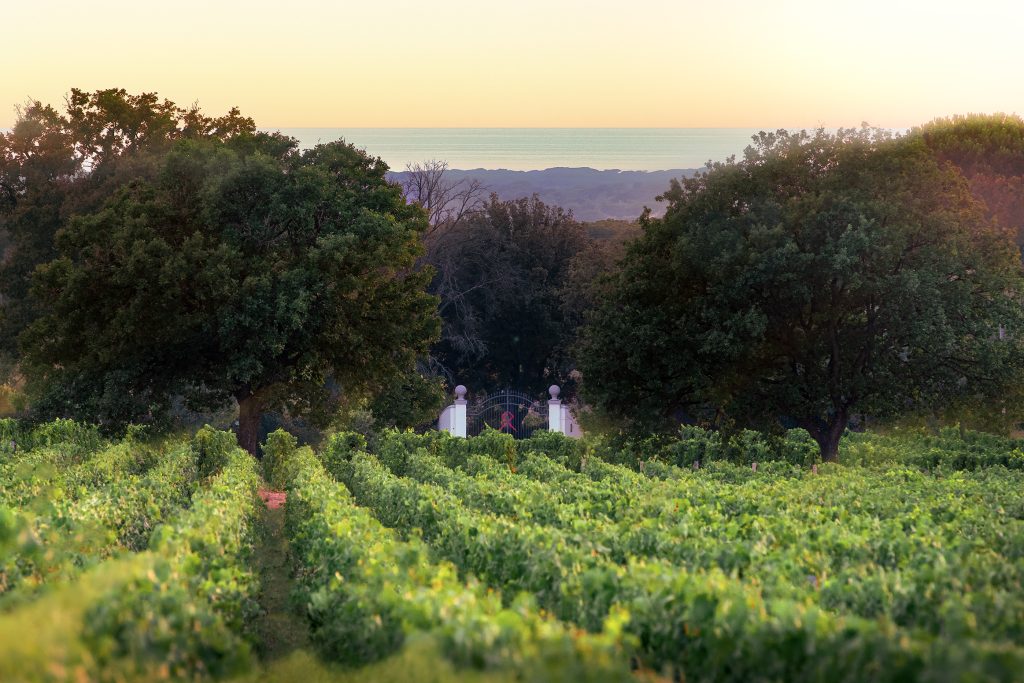
Alberto Moretti Cuseri is no climate change denier, but he does admit to being slightly bemused by the weather events of recent years in Tuscany. For four years in a row now – spanning growing seasons from 2022 to 2025 – the Tenuta Sette Ponti vineyards have had above-average rainfall during spring and summer. Even the family’s vineyards down in Sicily have felt the effects.
In 2023, the wet weather spelled problems for inland Tuscany especially, with June outbreaks of downy mildew following several days’ rain, then warmer weather. “We were quite lucky, because we are in a valley behind the mountain, and every day we have some wind,” Moretti Cuseri explains. At Tenuta Sette Ponti, 30%–35% of the crop was lost; for some of its neighbours, it was more like 65%.
Given that the Moretti Cuseri properties are farmed organically, how were they able to cope? “You have to wait,” he says. “You cannot do the treatment because, when it rains, you have to go through the vineyard again. Also, the products to treat with organics are lighter and healthier for the vine. You have to wait.”
It sounds like a challenging year in which to make a wine like Oreno, a Tuscan Bordeaux blend which, alongside Bolgheri stablemate Orma, is one of the stars of Italy’s ‘hors Bordeaux’ La Place campaign. But, Moretti Cuseri is keen to emphasise, the problems in 2023 were strictly related to production volumes.
Quality unaffected
“In terms of quality, nothing changed,” he explains. “Let’s say we have two green grapes: maybe the downy mildew gets one. If it gets one, the other is completely perfect. So it affected quantity, not quality.” Following the rains, the rest of the growing season was drier than usual; Moretti Cuseri reckons Oreno 2023 is “maybe a little bit more structured, a little bit more full-bodied” than the 2022 release.
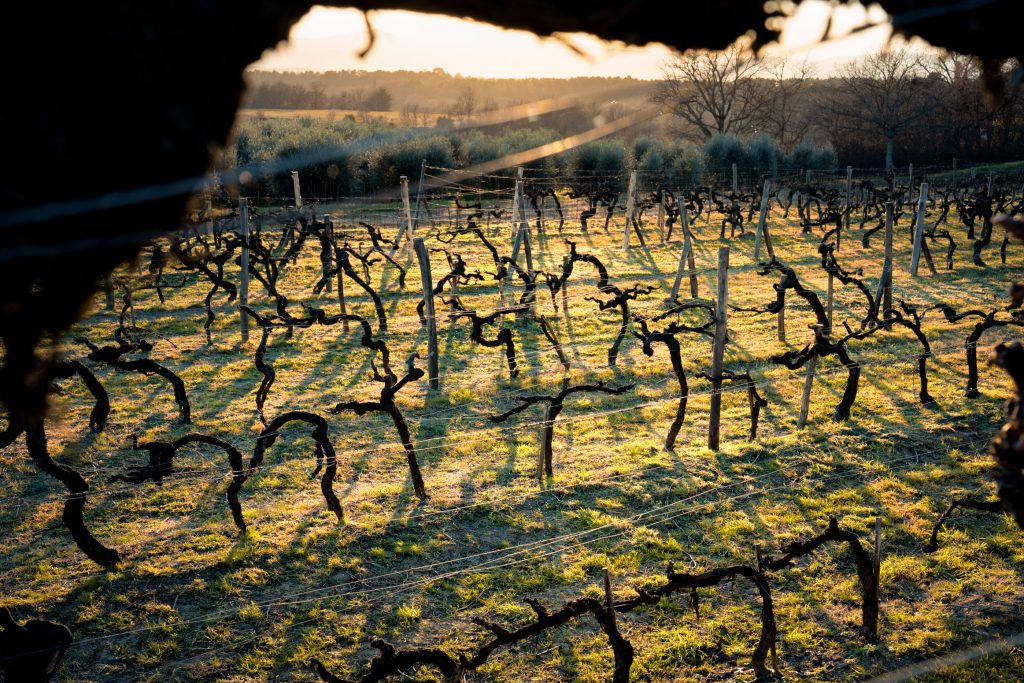
The 2023 vintage also sees the proportion of Cabernet Franc double to 20% from 10% in 2022 (the first year in which it was included in the blend). The family sees dual benefits in the variety – first of all, they love it, especially because, after studying the Tenuta Sette Ponti soils, they have found what they think are the perfect spots for it (limestone and clay).
Secondly, as with other producers, they see it as a positive force in the response to climate change (although Moretti Cuseri is at pains to point out that Merlot still thrives in his vineyards). “If you ask me one word about Cab Franc, it’s freshness,” he says. “This freshness – almost a little bit of greenness. When we try fresh, new Cabernet Franc, we always say that we feel a little bit of this grass. I think that for the contemporary wine that all the wine lovers in this moment are looking for, is to have the quality wine, but with high drinkability.”
Like many fine wine producers around the world, the Moretti Cuseris are attempting to balance two sometimes contradictory forces: a changing climate that – despite those recent rains – favours ripeness and power, and a consumer base that is looking for freshness and approachability, without necessarily sacrificing ageability.
Partner Content



Bolgheri Bordeaux blend
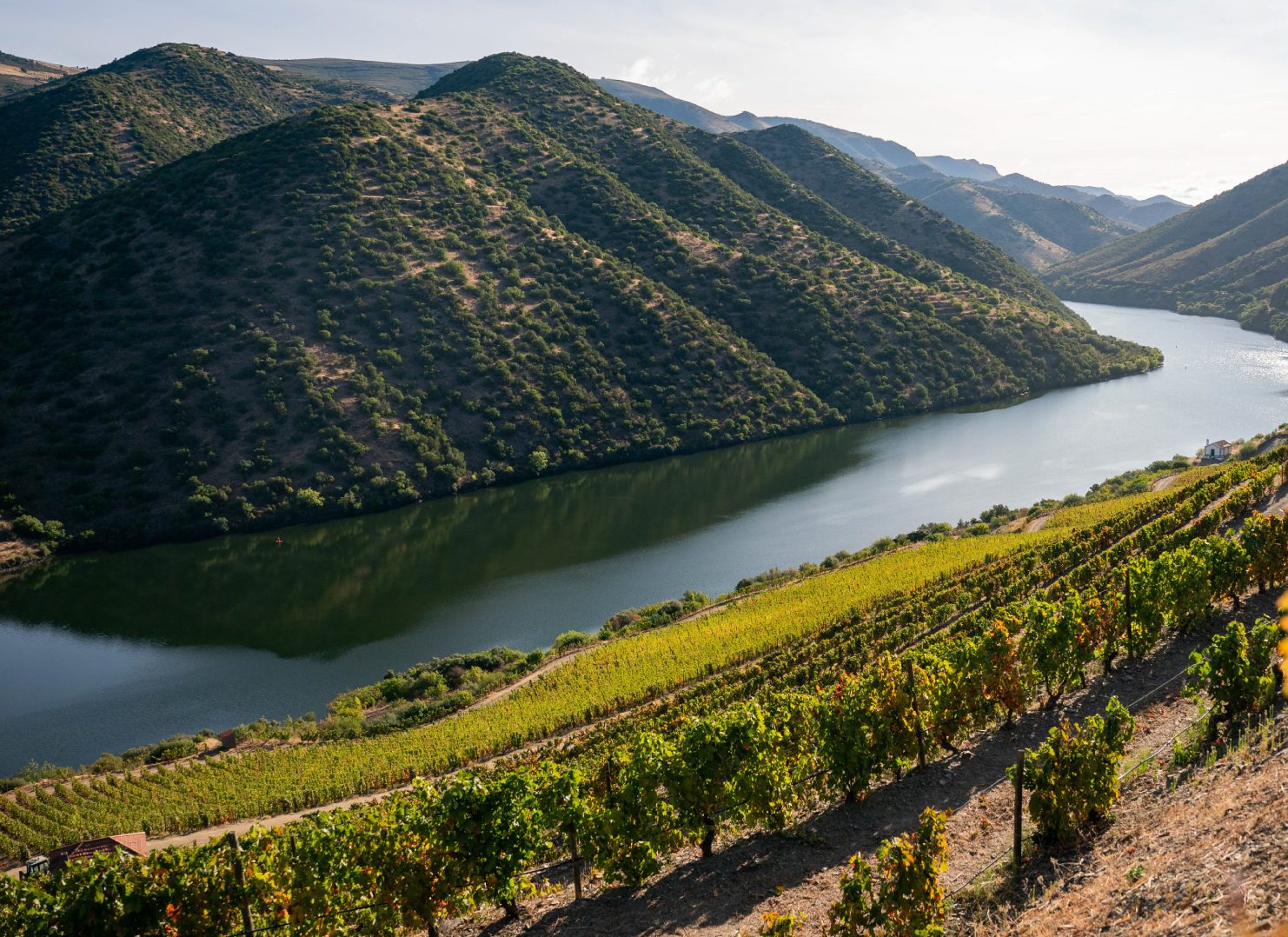
It’s a dilemma that is perhaps even more apparent with Orma, the Bolgheri Bordeaux blend that the family has made for the past 20 years. Here, the location of the vineyards helps to temper the area’s typically hotter, drier conditions: above the Via Bolgherese, with bush behind, benefitting from both altitude and maritime influence. Even so, the winery is experimenting with a one-hectare planting of Merlot in alberello (bush vine) form to encourage greater aeration; Moretti Cuseri reckons this may well be repeated with future replantings of the variety.
Across both Tuscan properties, the broader evolution of approach has meant adjustments in the vineyard, and in particular a delay to pruning from end of January to end of February, “to give the vine the opportunity to sleep for one month more”, as Moretti Cuseri puts it, and less green harvesting to pull back on concentration.
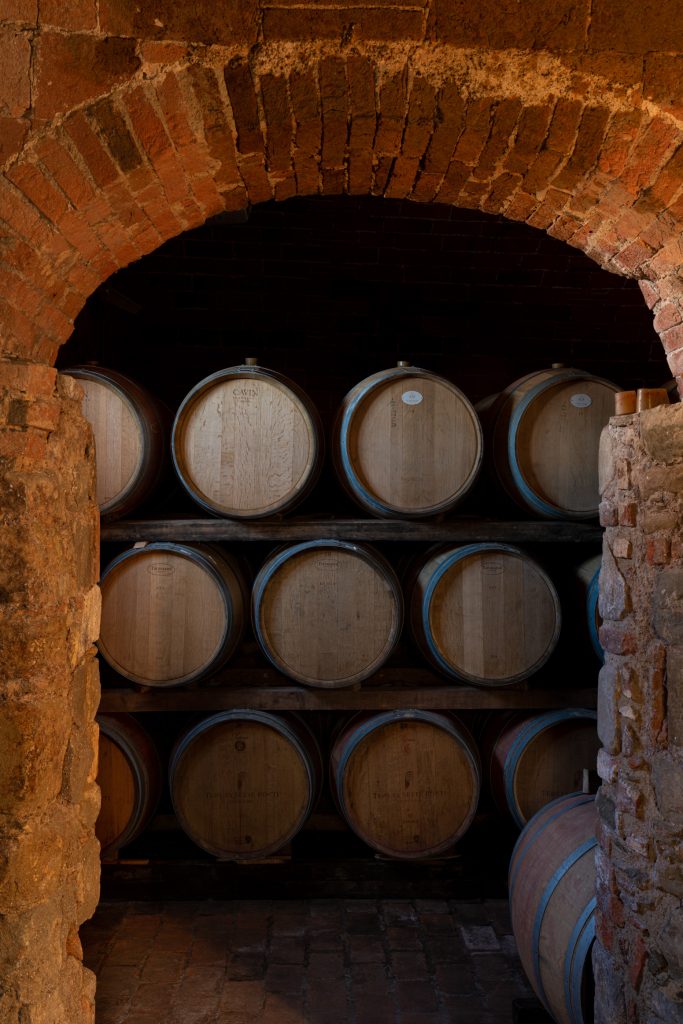
Adjustments too in the winery, with fermentations cut from four weeks to three, and less pumping over to reduce extraction and encourage freshness, as well as reining back on new oak to around 20% today, versus 80%–90% in the early years around the millennium – a gradual evolution, made without necessarily changing the maturation period (around 18 months for both wines).
Philosophical shift
So a succession of small adjustments, carried out over a period of years, that add up to quite a philosophical shift. “Two things,” says Moretti Cuseri. “Even if it’s not the fashion world, sometimes we take a little bit of the fashion world.” An apt analogy, given that his father, Antonio Moretti Cuseri, left the worlds of fashion and real estate behind to develop Tenuta Sette Ponti in the 1990s.
He continues: “The trend at that time [during the early 2000s] in the US market in particular demanded strong, strong, strong, strong Tuscany. The challenge was to give this part of the oak that was quite deep. Today, thanks God, for many producers we all change to a more modest style.
“Two: everything has to be fast and quick. So who wants to wait 10 years to drink a wine? Oreno and Orma 2022, thanks to the vintage, are already quite drinkable, but they’re still quite young. With 2023, we can feel that it’s the same.”
This change, Moretti Cuseri believes, spans not only wine, but food as well. He contrasts the prevalent style of French cuisine during the 1980s and 1990s – “full of cream, butter, even in Michelin star restaurants” – with today’s lighter, more Mediterranean flavours. “Even in Tuscany, they used to make ragù, cooking for four hours. Today it’s maximum two hours… everything was more heavy.”
Fashions, of course, can be fickle – and what soars in the market today may fall flat tomorrow. While acknowledging this, Moretti Cuseri also admits to a personal, family reason for making wines designed for shorter-term appreciation. “Today, we try to make everything a little bit less,” he says. “Maybe in 20 or 30 years, everybody will say: ‘We want to go back to super-strong.’ But my father is 74, and he will be 75 in January. And he said to me: ‘I don’t want to die before I can drink my wine.’”
Related news
Bolgheri DOC weathers the storm
Ruffino eyes up transformation with acquisition of Bolgheri estate


