



NIQ data shows pubs still rule Christmas trading
Festive trading remains the most important moment of the year for the on-trade, but NIQ data suggests success is no longer guaranteed by seasonality alone.
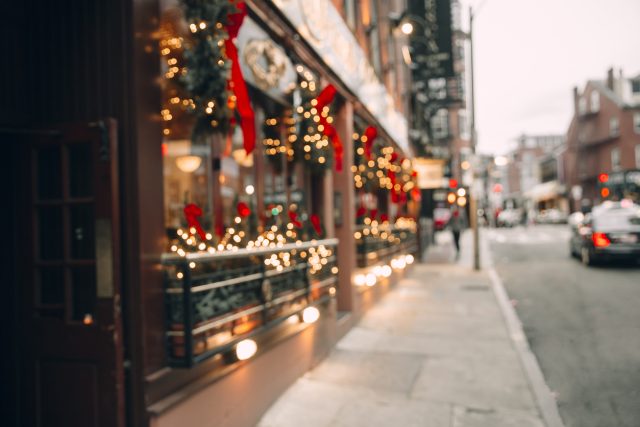
The on-trade has once again decked itself in tinsel, entering what should be its most profitable weeks of the year. However, according to NIQ, relying on festive momentum alone risks leaving money on the table.
As per NIQ’s RSM Business Tracker, pubs were the strongest performers during the latest festive period, reflecting a preference for casual visits over formal dining and late-night venues. Total managed operators recorded like-for-like sales growth of 3.2% versus the previous December.
Wet-led pubs outperformed all other channels, delivering growth of 5.2%. Pub restaurants followed at 4.1%. Restaurants achieved a more modest 1.6%, while bars saw the smallest uplift at 1.3%, according to the tracker.
While the overall weekly average dipped by 0.5% year on year, this headline figure disguises where the money was really made. From mid-December through to the first week of January, sales rose steadily above the previous year, up 1.3% in the week ending 21 December, 2.5% the following week, and most suprsingly 11.8% in the first week of January.
The message from NIQ is clear. The central festive weeks matter more than the averages.
Dates drive demand
Weekends remain the engine room of Christmas trading, but NIQ data shows that weekdays can outperform expectations depending on where key festive dates fall. These peaks are predictable, which makes preparation essential.
For operators, that means staffing, stock and activations aligned to specific days rather than vague seasonal uplift. For suppliers, it means targeted support rather than generic festive noise.
Partner Content
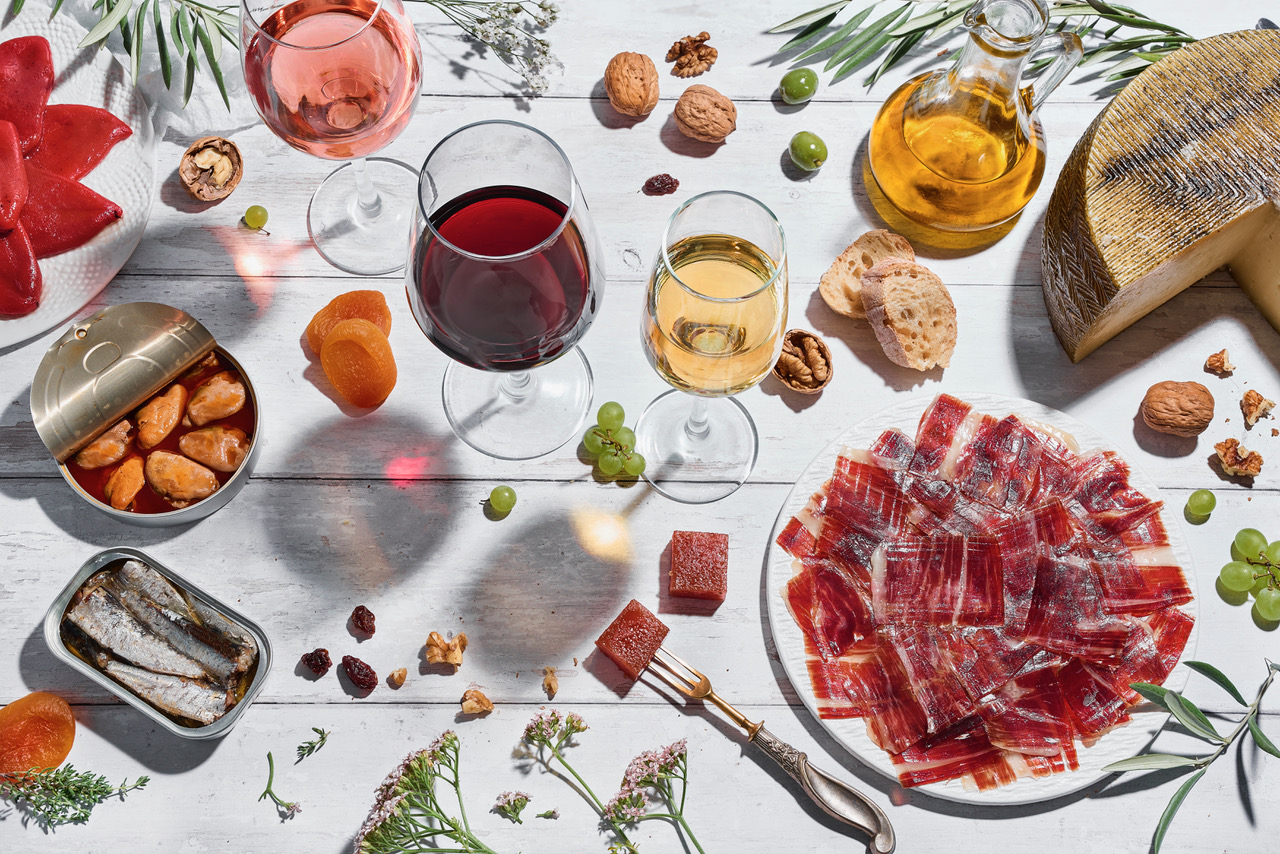

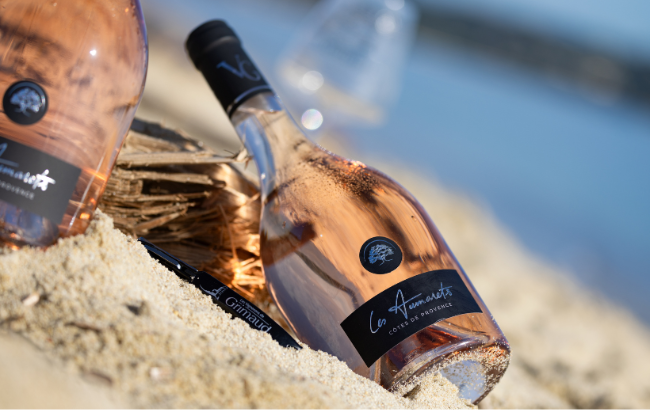
Drink choices at Christmas diverge sharply from the rest of the year, while also magnifying longer-term trends. According to NIQ, total wet sales reached £2,96m last festive period, up 1.4% year on year.
Most categories grew in value, led by lagers, ales and draught, which increased market share by 2.8%. Soft drinks rose by 0.9% and spirits by 1.0%. Wine and champagne were the only categories to decline, falling 2.3%.
Within spirits, performance accelerated sharply in the four weeks leading up to Christmas, with the rate of sale increasing by nearly 40% versus the 2024 average. Cream liqueurs and darker spirits such as golden or dark rum, imported whiskey, brandy and Scotch all delivered year-on-year growth.
Beer mirrored broader shifts. Stout rates of sale rose by almost 50% compared with the annual average, while no and low alcohol beers increased by 37.6%. RTDs and cask ale also performed well, while standard lager lagged behind other LAD subcategories.
Most people still go out
NIQ research shows that three in four consumers visited a licensed venue during the 2024 festive period, up 2pp on the previous year. More revealing still, 34% went out more often than usual, an increase of 6pp versus their typical frequency.
The period after Christmas Day proved especially busy. One in three consumers cited having more free time, over one in four felt more relaxed and 23% were off work, according to NIQ. These factors suggest similar patterns are likely to repeat.
Before Christmas Day, barriers were different. Over one in five said celebrations were already too busy, while 16% wanted to avoid large crowds. Spending caution remained evident, with nights out funded by gifts, end-of-month pay or post-Christmas promotions.
Related news
Documentary retells the story of a community saving its village pub


