



JGC’S González: ‘Our philosophy is simple common sense’
Director of oenology Toni González explains how J García Carrión is striking a balance between tradition and science – resulting in wines that speak clearly of their origins.
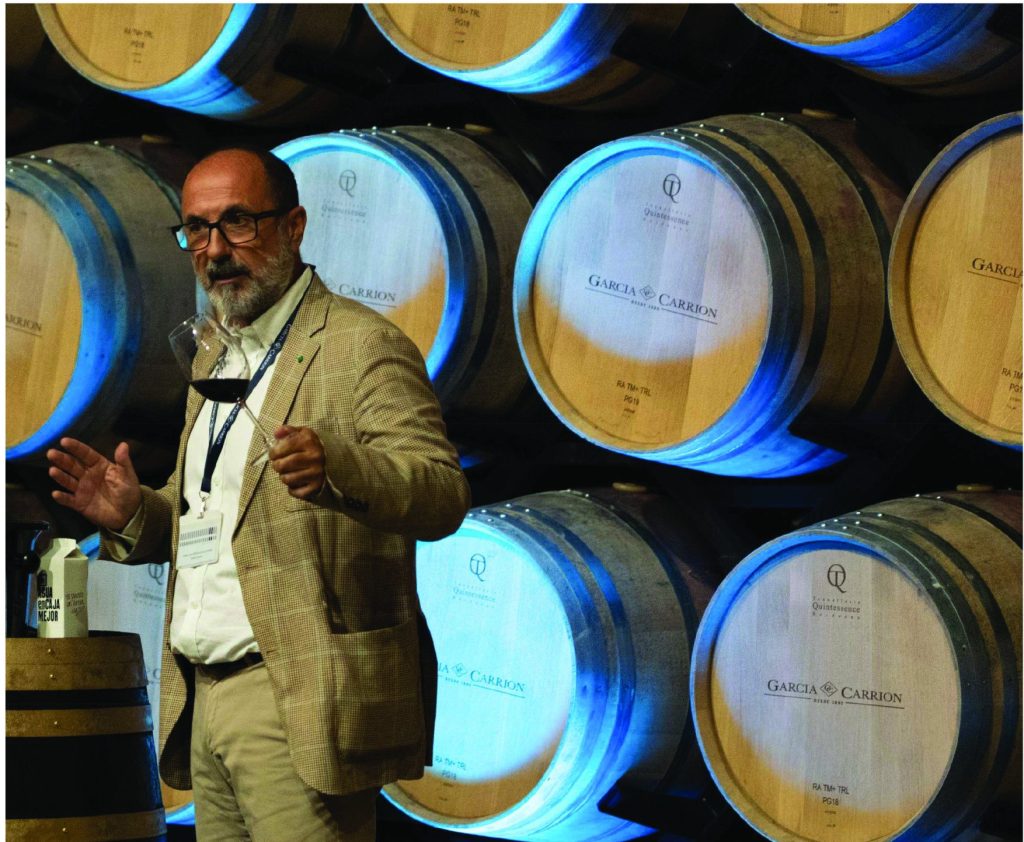
Despite being one of Spain’s largest wine companies – and the fourth-largest wine producer in the world – J García Carrión’s focus remains firmly on the detail, the terroir and its unique viticultural heritage: old, low-yield bush vines that produce wines of “unmistakable character”.
“For us, sustainability begins in the soil,” director of oenology Toni González says. “Our philosophy is simple common sense: to give back to the vineyard what belongs to it.”
It is this philosophy and its connection to the land that allows the team to move from reacting to climate change to anticipating it – “treating it as a structural part of modern viticulture”, González says.
“Our strategy combines technology, sustainability and local know-how,” he explains, “seeking harmony between tradition and science.”
The team, for example, practises minimal tillage and encourages living soils through incorporating “modest” biodynamic principles in some of its vineyards, “because we firmly believe that living soils create living wines”.
Meanwhile, its Viticulture 4.0 model combines real-time monitoring with humidity sensors, weather stations, drones and trunk expansion gauges to learn each plot’s precise water needs, which feeds predictive models to guide decisions from irrigation to pruning, fertilisation and canopy management.
Partner Content


“As I often say, we shouldn’t run from technology, but surround ourselves with it,” says González. “When well applied, it helps us care for the vines better, improve efficiency and craft higher-quality, more sustainable wines without losing the soul of our winemaking tradition.
“There are countless tools available, but what matters is how we interpret them.”
Expansion programme
And the company is looking to extend its holdings, which currently means expanding northwards into cooler climates such as Ribera del Duero and Rueda as part of a long-term vision “of protecting who we are”.
“These cooler climates complement our Mediterranean base, helping us diversify risks and styles: from fresh, vertical profiles to warmer, more enveloping expressions,” González explains. “Yet we never forget that Mediterranean viticulture is our origin – and Jumilla remains our home. It’s where our story began, and where we continue to work with deep respect for a unique viticultural heritage: old, low-yield bush vines producing wines of unmistakable character.”
These vineyards give rise to wines that speak clearly of their origins – a vibrant, unoaked Tempranillo expressing pure fruit and soil character from Señorío de los Llanos Cepas Viejas in Valdepeñas; a deeper, more opulent profile for Pata Negra Reserva, which is aged in barrel for 30 months; and the ungrafted Monastrell wines from Jumilla’s Bodega La Ermita that have gained international recognition.
“Preserving these vineyards and communicating their value is essential to ensure their future, because behind every bottle lies tradition, sustainability and a deep connection to the land,” González says.

Related news
Wines of Hungary makes central Europe the centre of attention
Trinity Hill taps into rising demand for white wines in Asia
Chanson Père et Fils on why Côte Chalonnaise is just 'the beginning'


